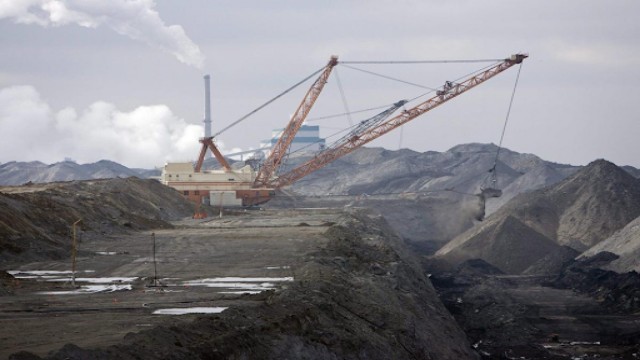
A giant dragline excavator digs coal beside SaskPower’s Shand Power Station near Estevan, Saskatchewan, on March 19, 2008. The provincial government says it aims to keep its coal‑fired plants operating longer before turning to nuclear energy. THE CANADIAN PRESS/Troy Fleece
Saskatchewan’s government is taking steps to keep its coal power plants running longer before transitioning to nuclear energy. In a letter to SaskPower staff, Crown Investments Corporation Minister Jeremy Harrison announced that this decision aims to protect jobs, meet rising power needs, and ensure the province’s electricity remains dependable and affordable.
While Harrison didn’t mention any timelines or specific costs, he shared that the province is considering installing more carbon capture systems. SaskPower is expected to continue operating around 1,500 megawatts of coal-generated electricity. That’s a significant move, especially as many global regions are shutting down similar plants.
Currently, Saskatchewan already uses carbon capture technology at the Boundary Dam Power Station. However, that facility has faced difficulties in consistently meeting its emissions targets.
SaskPower, the main utility company, manages three coal-fired power stations. Some of these were supposed to shut down in the coming years. This new plan would delay that, giving workers and communities some much-needed stability.
“The teams at these plants have been dealing with a lot of uncertainty,” Harrison wrote. “We have huge coal reserves that belong to the people of Saskatchewan. It makes sense to use them as a reliable energy source while we work toward a nuclear future powered by our own uranium.”
The province has its eye on a small modular nuclear reactor that could be up and running by the mid-2030s. The Estevan area, located in the southeast part of Saskatchewan, is being looked at as a possible site for this nuclear project.
Back in 2019, Saskatchewan signed an agreement with the federal government to allow some coal plants to keep operating past the national 2030 deadline for coal phaseout. Harrison said the province has the right to manage its own electricity system and emphasized that it does not recognize Ottawa’s clean electricity rules. These federal regulations are meant to lower emissions across the country, but a Saskatchewan-led tribunal warned they could harm the province’s economy and cost jobs.
The federal Environment Ministry has not yet commented on the province’s recent statements.
Despite keeping coal in the mix for now, Saskatchewan is still aiming to hit net-zero emissions by 2050. Harrison pointed out that wind and solar are already part of the province’s energy plan. But he stressed that Saskatchewan must be practical.
“We’re not going to risk our grid’s reliability or affordability,” he said. “Especially not when we’re already making big strides in environmental protection.”
According to Canada’s latest National Inventory Report, Saskatchewan’s emissions have dropped over the past decade. Still, the province remains one of the country’s highest polluters, ranking fourth overall. While the Supreme Court upheld Ottawa’s authority to regulate pollution, recent changes from the federal government have removed the carbon tax for consumers but left in place charges for industrial polluters.
More energy policy announcements from the Saskatchewan government are expected in the near future.