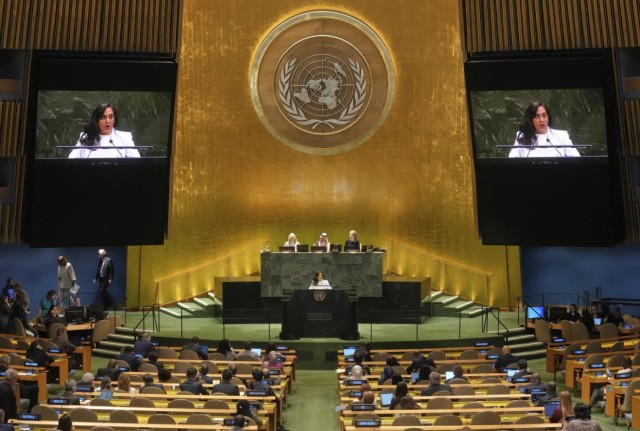
Canada Foreign Minister Anita Anand addresses the United Nations General Assembly, Monday July 28, 2025.
In a significant diplomatic push, France and Saudi Arabia are renewing efforts for a two-state solution in the Israel-Palestine conflict. At a high-level United Nations conference recently co-chaired by the two nations, the long-stalled idea of an independent Palestinian state alongside Israel was brought back into the global spotlight.
Despite the continuing violence in Gaza and the West Bank, both nations are determined to keep the momentum alive.
War Rages, But Diplomacy Pushes Forward
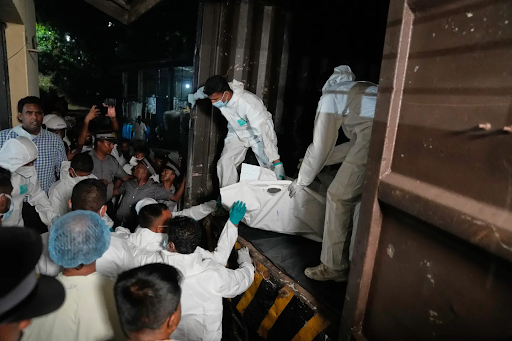
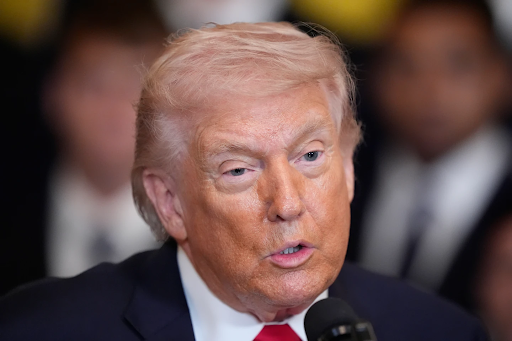
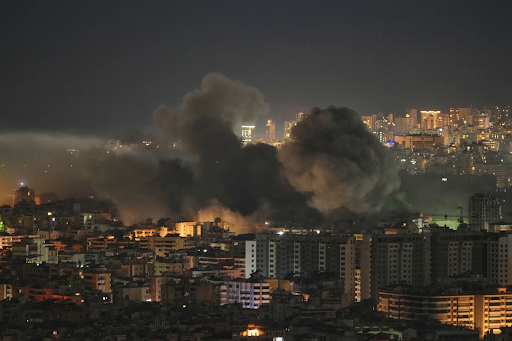
Gaza remains at the heart of the conflict, with escalating violence and humanitarian disaster worsening every day. Israel’s government, led by Prime Minister Benjamin Netanyahu, strongly rejects the idea of a Palestinian state. He argues that granting statehood would reward terrorism after Hamas' October 7, 2023, attacks.
But international calls for peace are growing louder. The conference demonstrated a shared belief that a political solution is still possible — even if Israel and its close ally, the U.S., chose to boycott the event.
Broad Global Support for a Two-State Peace Plan
About 160 of the UN’s 193 member states took part in the three-day conference. Over 125 nations voiced direct support for the two-state solution, signaling a shift in global attitudes.
More than 145 countries already recognize Palestine as a state. Now, new pledges of recognition are expected from major nations like France, Canada, and the United Kingdom. Malta has joined the list too. Countries like Australia, New Zealand, Portugal, and Finland are also considering recognition.
Building a Political Framework for Peace
The conference set up eight working groups to address key areas — including security, governance, economic development, and humanitarian aid. These efforts led to the creation of the "New York Declaration," a detailed seven-page document outlining the path to a peaceful two-state solution.
This declaration has been shared with all 193 UN member states for endorsement ahead of the UN General Assembly in September. The document calls on Israel to commit to the creation of a Palestinian state and urges countries worldwide to extend official recognition.
Arab League's New Position: A Historic Shift
In a major policy shift, the 22-member Arab League formally condemned Hamas’ October 7 attacks on Israeli civilians. They also called for Hamas to relinquish control of Gaza and transfer power to the Palestinian Authority.
The declaration proposes the formation of a UN Security Council-mandated international stabilization mission. This force would help protect civilians, support state-building efforts, and ensure security for both Palestine and Israel.
France and Saudi Arabia Won’t Let Momentum Fade
French Foreign Minister Jean-Noel Barrot and Saudi Foreign Minister Prince Faisal bin Farhan are planning another event during the UN General Assembly in late September. Here, they aim to secure further recognition for Palestine and advance the diplomatic initiative.
According to French UN Ambassador Jerome Bonnafont, a ceasefire in Gaza and increased humanitarian support remain top priorities. Without these, further progress will be difficult. Still, he believes the path to peace is clear and achievable.
Global Sentiment Shifts Against Israel's Hardline Stance
Diplomatic voices like Turkey's Foreign Minister Hakan Fidan are highlighting Israel’s growing isolation on the world stage. France, Britain, and Canada used the conference to express dissatisfaction with Israel's policies, adding pressure on Netanyahu’s government.
The UN meeting also gave new hope to Palestinians seeking peaceful statehood. Analysts like Richard Gowan of the International Crisis Group credit French President Emmanuel Macron for elevating the conference’s symbolic importance.
The Message Is Clear: Peace Needs a Two-State Solution
Bonnafont summed up the sentiment: “The way to peace is not through denying Israel’s existence. That only fuels endless war. The real way to support Palestinians is by giving them a state. And that is only possible through a two-state solution.”
With broad international support and renewed diplomatic energy, the two-state solution is once again a real, if challenging, possibility.