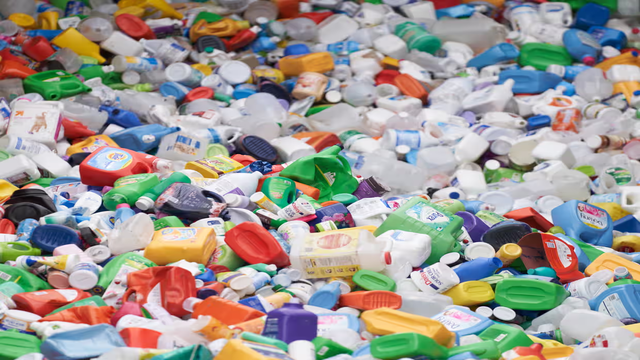
Scientists may have found a cleaner way to make paracetamol, using plastic waste instead of oil. This discovery could help reduce pollution and make medicine production more eco-friendly. EPA
Scientists have found a way to turn plastic waste into paracetamol using bacteria. This method could offer a cleaner and more eco-friendly way to produce medicine and reduce plastic pollution at the same time.
Turning Plastic Into Painkillers
Researchers used a type of bacteria called E. coli to help create paracetamol from plastic bottles. They took PET plastic—commonly used in food packaging and drink containers—and turned it into a new substance using green chemistry methods.
This new substance was then fed to E. coli bacteria. The bacteria changed it into something called PABA, which is a key building block in making paracetamol. The process happened inside the bacteria, and to the researchers’ surprise, it worked naturally and safely.
Discovery of a Rare Reaction
What made this work special is the discovery of a rare chemical reaction called the Lossen rearrangement happening inside living cells. This reaction usually needs tough lab conditions. But in this case, the reaction took place smoothly in the presence of the bacteria.
Scientists found that a compound inside the bacteria, called phosphate, helped the reaction along. This had never been seen before in nature.
Genetically Modified Bacteria
To get the bacteria to rely fully on the plastic-based material, scientists genetically changed them. They blocked the bacteria’s natural way of making PABA. So, the bacteria had to use the plastic-derived material to survive and grow.
Later, the team modified the bacteria again. This time, they added two new genes—one from mushrooms and another from soil bacteria. These helped the E. coli transform PABA into paracetamol directly.
Fast and Clean Process
Using this updated version of E. coli, the team produced paracetamol from plastic in less than 24 hours. The process also kept emissions low and reached a high success rate—up to 92% of the plastic material became paracetamol.
Though this method is still in early stages, scientists believe it could be used for real-world drug production in the future.
A Breakthrough for the Planet
Right now, paracetamol comes from oil-based processes. This new method could replace that with a much cleaner option. It also gives us a way to use plastic waste for something useful.
One scientist called the method “a way to completely hoover up plastic waste.” Others see this as a new step in combining biology and chemistry to solve big problems like pollution and drug production.
This breakthrough shows how bacteria can help turn everyday waste into life-saving medicine, offering hope for a cleaner future.