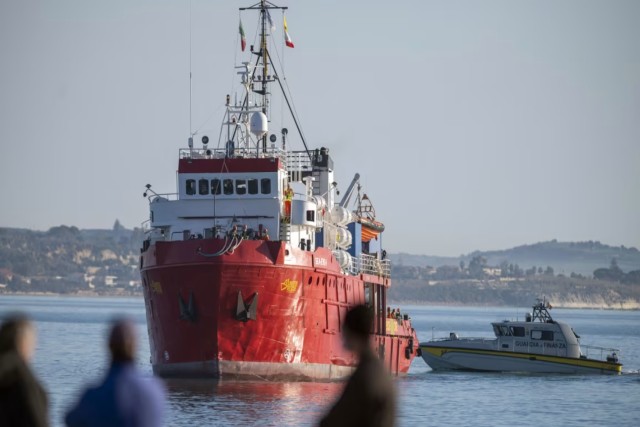
The rescue vessel Sea-Eye 4 arrives in the port of Pozzallo, southern Sicily, on December 24, 2021. Sea-Eye, a non-governmental sea rescue organization, received around 10% of its total income of around 3.2 million euros from the German government.
Germany has officially announced it will stop funding sea rescues missions for migrants in the Mediterranean. The decision comes with the promise of redirecting resources toward tackling migration at its roots, especially in crisis-hit nations like Sudan.
For years, countless migrants have braved dangerous waters, fleeing war and poverty in hopes of a better life in Europe. While many reach the shores safely, thousands die at sea every year, with humanitarian organizations trying desperately to reduce that toll.
Shift in Strategy: From Rescue to Prevention
German Foreign Minister Johann Wadephul defended the move, stating that the country must act where help is most needed.
“We want to help where people are suffering the most,” he said, pointing to Sudan’s ongoing humanitarian emergency. According to him, financing sea rescues is not the core responsibility of the foreign office.
This marks a major shift in policy. Under Germany’s former left-leaning government, around €2 million annually was allocated to NGOs engaged in migrant sea rescues. These funds were a lifeline to organizations like Sea-Eye, a German charity that says its missions have saved over 175,000 lives since 2015.
Sea-Eye Faces Uncertain Future Without Support
For Sea-Eye, German funding made up roughly 10% of its €3.2 million annual budget. The charity warns that the cut may force them to dock their vessels, even during emergencies. “This support directly enabled life-saving missions,” said Gorden Isler, chairperson of the NGO. “Now, we may have to stay in harbor despite people needing urgent help at sea.”
Political Winds Behind the Change
The funding cut aligns with Chancellor Friedrich Merz’s new conservative government. Merz’s party secured victory in February's election by promising tighter migration controls. This political shift reflects a growing concern among voters who feel migration is overwhelming the system.
Even though overall migrant arrivals have declined in recent years, the perception of uncontrolled migration persists. This sentiment has fueled the rise of the far-right Alternative for Germany (AfD), now the country’s second-largest political party.
Critics Say Policy Will Deepen Human Suffering
Not everyone agrees with the new direction. The Green Party, which previously held control of the foreign office and introduced the funding, has criticized the move. Britta Hasselmann, the Greens' joint floor leader, condemned the decision, saying, “This will exacerbate the humanitarian crisis and deepen human suffering.”
Experts also argue that migration is primarily driven by economic collapse and armed conflict in source countries. They stress that reducing help at sea does little to stop people from trying to cross in the first place. Instead, they say, it only increases the death toll among the most desperate.
Balancing Borders and Humanity
While the government insists it remains committed to a humane migration policy, its critics see a dangerous retreat. Wadephul’s statement that Germany will still support humanitarian efforts—just not at sea—has sparked widespread debate over the country’s moral and strategic priorities.
With Germany pulling back from direct involvement in sea rescues, the burden may shift more heavily onto underfunded NGOs. And for the migrants still risking their lives daily, the sea just got a little more dangerous.