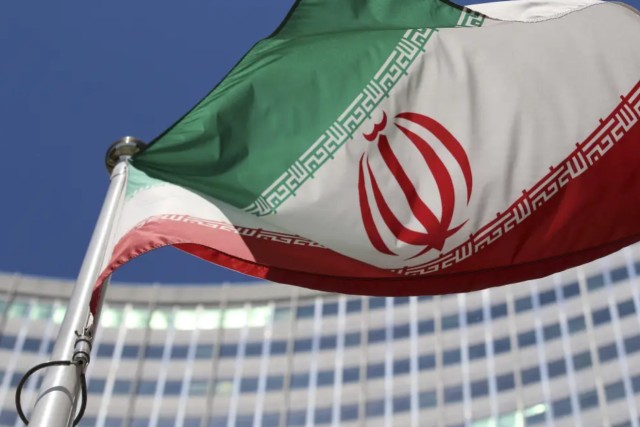
The Iranian flag flies in front of a U.N. building where closed-door nuclear talks take place at the International Center in Vienna, Austria, on June 18, 2014.
The United Nations Security Council is preparing for a crucial vote on Iran sanctions. The decision, expected on Friday, comes just days before world leaders gather for the annual UN General Assembly.
European officials have warned Tehran that time is running out to avoid renewed penalties. Diplomacy has intensified in recent weeks, but the prospect of sanctions remains strong.
Why the UN Security Council Vote Matters
South Korea, the council’s current president, presented the resolution. It requires at least nine votes to block the automatic reimposition of sanctions on Iran. These sanctions are tied to the 2015 nuclear deal with world powers.
Diplomats suggest there is little chance of avoiding some form of sanctions. Differing positions remain, but consensus to prevent penalties altogether is missing.
How the Snapback Mechanism Works
Last month, France, Germany, and the United Kingdom triggered the snapback mechanism. This clause in the Iran nuclear deal automatically restores UN sanctions if compliance is questioned.
The sanctions package includes:
- An arms embargo
- Restrictions on ballistic missile development
- Asset freezes
- Travel bans
- A ban on nuclear-related technology
The snapback process is designed to be veto-proof. Sanctions return unless the Security Council actively stops them.
Europe’s Final Warnings to Iran
European leaders are frustrated with Tehran’s lack of action. German and EU officials recently urged Iran to take immediate steps to avoid fresh penalties.
“The window for finding a diplomatic solution is closing really fast,” said EU foreign policy chief Kaja Kallas. She stressed Iran must show full cooperation with the International Atomic Energy Agency (IAEA). That includes granting inspections of all nuclear sites without delay.
French President Emmanuel Macron echoed this sentiment. Asked on Israeli television whether sanctions were inevitable, he responded: “Yes, I think so because the latest news we had from the Iranians are not serious.”
Iran Pushes Back Against Sanctions
Iran continues to reject the snapback process. Foreign Minister Abbas Araghchi argued the reimposition of sanctions lacks “any legal or logical justification.”
Tehran insists it has already cooperated with the IAEA. Officials highlighted a recent agreement mediated by Egypt. Under the deal, Iran would grant full access to nuclear sites and report the status of its materials.
IAEA chief Rafael Grossi confirmed the arrangement last week. He said it establishes clear procedures for inspections and reporting. The agreement covers all facilities, including those struck during recent conflicts. However, the timeline for implementation remains unclear.
Rising Tensions After Israel-Iran Conflict
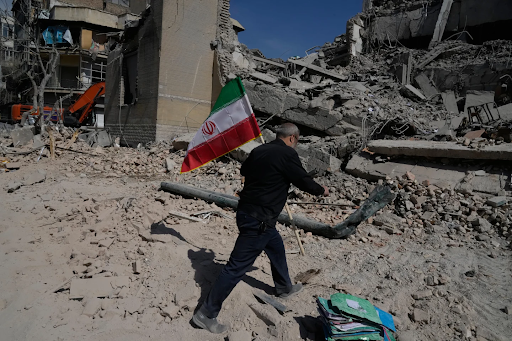
The sanctions debate follows a violent summer. In June, Israel launched a 12-day war against Iran. Both Israel and the United States bombed Iranian nuclear sites during the conflict.
These attacks raised questions about the state of Iran’s uranium stockpile. Experts fear enrichment may be close to weapons-grade levels, a major concern for the West.
What Comes Next for Iran and the West?
Reimposing sanctions will likely escalate tensions further. Iranian officials have previously threatened to withdraw from the Nuclear Nonproliferation Treaty if pushed too far.
That move would mirror North Korea, which left the treaty in 2003 and later developed nuclear weapons.
For now, the world waits on the Security Council vote. Whether through diplomacy or sanctions, the outcome will shape Iran’s nuclear future and global security.