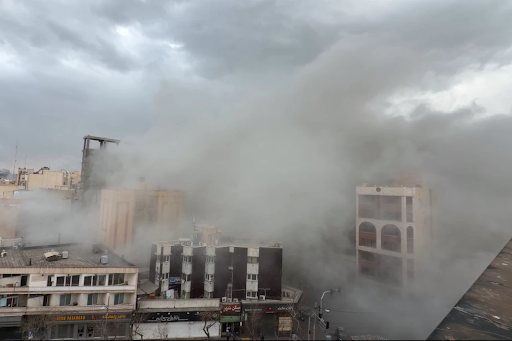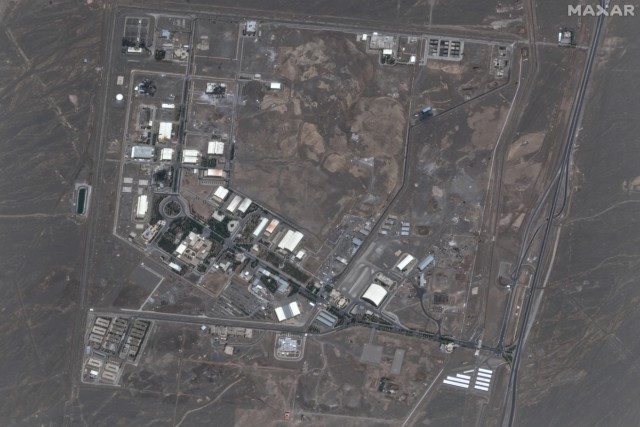
This satellite image provided by Maxar Technologies shows the Natanz nuclear enrichment facility, where multiple buildings were destroyed from recent Israeli airstrikes, 135 miles southeast of Tehran, Iran, on June 14, 2025.
France, Germany, and the United Kingdom have launched a diplomatic move to reimpose United Nations sanctions on Iran. The decision comes amid renewed concerns about Tehran’s nuclear activities and follows a series of Israeli strikes that shook Iran’s atomic infrastructure during a 12-day conflict.
The sanctions process, known as the “snapback” mechanism, was built into the 2015 nuclear deal with world powers. It is designed to bypass any vetoes at the U.N. Security Council. If implemented, the sanctions will take effect within 30 days.
What Snapback Sanctions Mean for Iran
Once reinstated, the sanctions would freeze Iranian assets overseas and restrict arms transactions with Tehran. They would also curb Iran’s ballistic missile development and tighten restrictions on nuclear-related activities.
This move is expected to further pressure Iran’s fragile economy. The country’s currency, the rial, has already collapsed to historic lows, trading above 1 million to the U.S. dollar.
Diplomatic Window Still Open
European foreign ministers stressed that the snapback is not an end to diplomacy. Instead, they view it as a tool to bring Tehran back to negotiations.
French Foreign Minister Jean-Noël Barrot said on social media that Europe remains committed to dialogue within the 30-day window. The decision also positions Iran as a central issue at the upcoming U.N. General Assembly in New York.
Iran Rejects the Move
Iran immediately rejected the European action. Foreign Minister Abbas Araghchi called the decision “unjustified” and “without legal basis.”
Tehran warned it would respond appropriately and accused Europe of undermining cooperation with the International Atomic Energy Agency (IAEA). Officials hinted that continued pressure could push Iran to withdraw from the Nuclear Nonproliferation Treaty, similar to North Korea in 2003.
European Concerns After IAEA Inspections Halted
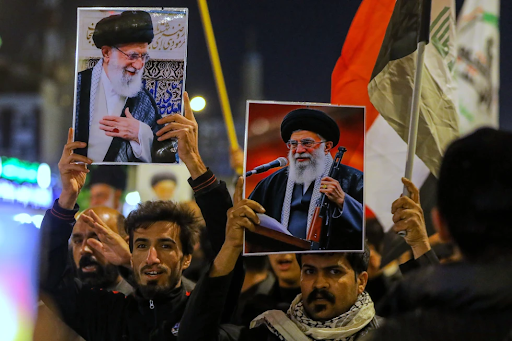
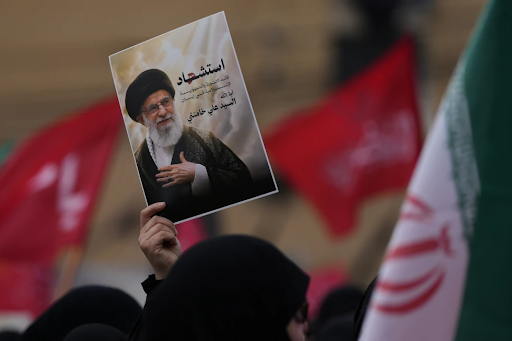
The crisis escalated in June when Iran restricted IAEA inspections following Israeli strikes. Those attacks killed senior Iranian military leaders and forced Supreme Leader Ayatollah Ali Khamenei into hiding.
On August 8, European nations warned Tehran that halting inspections could trigger snapback sanctions. That warning has now been acted upon with a formal letter to the U.N. Security Council.
U.S. Response and Global Reactions
U.S. Secretary of State Marco Rubio welcomed the European decision, stressing that Washington is still open to direct talks. He said sanctions strengthen, rather than weaken, diplomatic opportunities.
Meanwhile, Israel continues military operations in the region, recently striking Iran-backed Houthi rebels in Yemen. Analysts warn the sanctions could fuel further unrest across the Middle East, already destabilized by the Gaza conflict.
Impact on Iran’s Nuclear Program
Before the June war, Iran enriched uranium to 60% purity — just short of the 90% weapons-grade level. Its stockpile holds enough material for multiple nuclear weapons if pursued.
Iran maintains its program is for peaceful purposes. However, the IAEA and Western governments believe Tehran had an active weapons program until 2003. Recent strikes may have disrupted progress, but inspectors face increasing restrictions and uncertainty over undeclared sites.
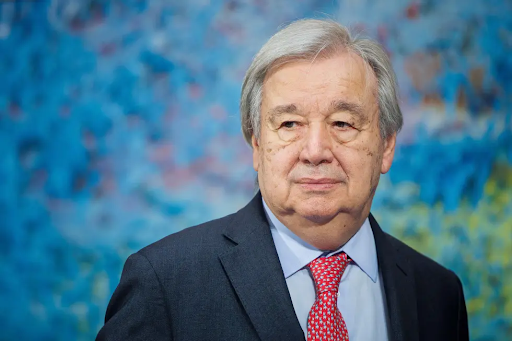
IAEA chief Rafael Grossi confirmed that access to critical facilities remains limited. He described the process of restoring oversight as “a work in progress.”
Russia and China Push Back
Russia and China, both Security Council members, oppose the snapback plan. Moscow and Beijing have proposed extending U.N. sanctions relief by six months. Russia, set to lead the Security Council in October, could complicate European efforts.
China remains a key buyer of Iranian oil, which could be hit hard by renewed sanctions. Both nations have avoided direct involvement in the recent conflict but continue offering Tehran political cover.
Growing Uncertainty Inside Iran
On the streets of Tehran, ordinary Iranians express deep anxiety. Years of sanctions have battered livelihoods, and many now question whether recovery is possible.
“I don’t know if we should keep trying or just give up,” said resident Arman Vasheghani Farahani. “No one takes responsibility for this crisis.”
What Lies Ahead
The countdown has begun. Within 30 days, snapback sanctions could reshape Iran’s economic and political landscape.
While Europe insists diplomacy is still possible, Iran’s refusal to cooperate with nuclear inspectors suggests a tense road ahead. The coming weeks will test whether dialogue or confrontation defines the next chapter in the nuclear dispute.