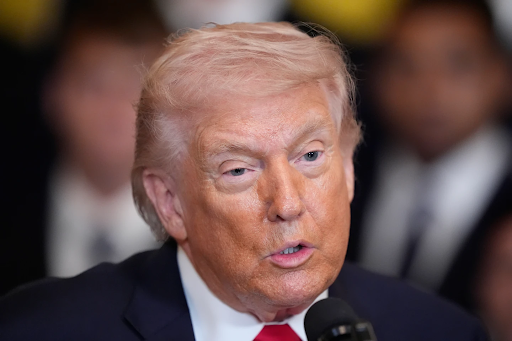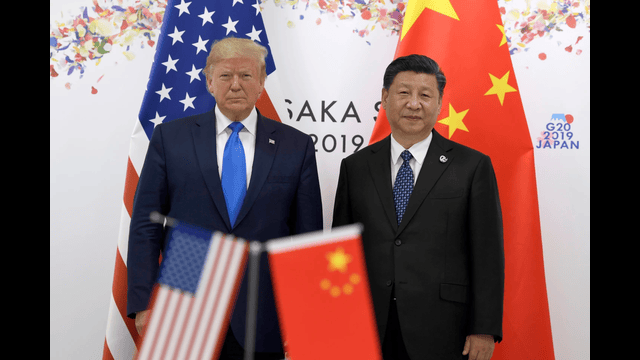
President Donald Trump, left, poses with the Chinese prime minister Xi jingling during a meeting on the sidelines of the G20 summit.
South Korean President Lee Jae Myung is stepping into one of the biggest diplomatic tests of his early presidency. As the Asia-Pacific Economic Cooperation (APEC) Summit opens in Gyeongju on Friday, Lee will host leaders from 20 nations, including U.S. President Donald Trump and China’s Xi Jinping.
The two-day South Korea APEC Summit is expected to focus on global trade, regional stability, and geopolitical realignments. For Lee—who has been in office for less than five months—it’s a defining moment to showcase his “pragmatic diplomacy” on the world stage.
A Tough Start for South Korea’s New Leader
President Lee has promised a practical approach to diplomacy, aiming to maintain strong ties with both allies and rivals. Yet, challenges are mounting.
Tensions with North Korea remain unresolved. Pyongyang rejected Lee’s outreach and instead deepened its partnerships with Russia and China. Meanwhile, Trump’s tariff battles and Japan’s shift under new Prime Minister Sanae Takaichi complicate Seoul’s strategic positioning.
At Gyeongju, Lee is expected to meet separately with Trump, Xi, and Takaichi, while presiding over the APEC sessions. Experts believe the event offers positive optics but caution that short-term success doesn’t always translate to lasting diplomatic gains.
U.S.-China Tensions Overshadow Summit Goals
This year marks the first APEC Summit in South Korea in two decades. But global attention will likely focus on the high-stakes Trump-Xi meeting set for Thursday.
Analysts expect their talks to influence not just U.S.-China relations but also the broader global economy. Even if Trump skips APEC’s main session, Lee aims to push for free trade and multilateral cooperation among member nations.
Seoul hopes to secure a joint declaration at the end of the summit—a goal missed in 2018 due to U.S.-China trade disputes. “We’re working toward a ‘Gyeongju Declaration’ and mediating between both powers,” South Korea’s National Security Director Wi Sung-lac said on Sunday.
U.S. Trade Deal Still in Limbo
Trade negotiations between Washington and Seoul remain uncertain. South Korean Trade Minister Kim Jung-Kwan admitted that the two sides are still “sharply divided” over the terms of a $350 billion investment deal.
The disagreement centers on how much of that investment should come as direct payments to avoid Trump’s steep tariffs. Seoul is pushing to finalize a compromise before the APEC Summit, but chances remain slim.
Seoul-Tokyo Relations Under New Strain
South Korea’s ties with Japan are once again under the spotlight following the rise of Japan’s conservative Prime Minister Takaichi. Her stance on wartime history has raised concerns in Seoul, which continues to seek reconciliation over Japan’s past colonial rule.
Despite past tensions, U.S.-Japan-South Korea trilateral cooperation had improved in recent years. However, experts warn Trump’s “America First” policy could slow momentum. Still, some analysts believe both Seoul and Tokyo will prioritize regional stability to counter shifting U.S. trade policies.
Diplomatic Push on North Korea
President Lee also supports reviving dialogue between Trump and North Korean leader Kim Jong Un. He believes renewed engagement could unlock humanitarian and development projects for the North.
Trump has expressed openness to another meeting with Kim, saying they share a “great relationship.” But Pyongyang has not yet responded. Seoul’s officials say a Trump-Kim meeting during the APEC Summit in South Korea is unlikely but confirm that contingency plans are in place.
Strengthening Ties with China
Xi Jinping’s arrival marks his first visit to South Korea in 11 years. Lee plans to use the opportunity to reinforce economic and strategic ties with China, Seoul’s largest trading partner.
Analysts believe China, facing growing rivalry with the U.S., is open to improving relations with both South Korea and Japan. This may give Seoul a stronger diplomatic position to balance its relationships with major powers.
“South Korea’s approach is to keep its alliance with the U.S. firm while managing ties with China pragmatically,” said Jeonghun Min of Seoul’s National Diplomatic Academy. “The presence of all major leaders at the South Korea APEC Summit creates a perfect stage for that strategy.”