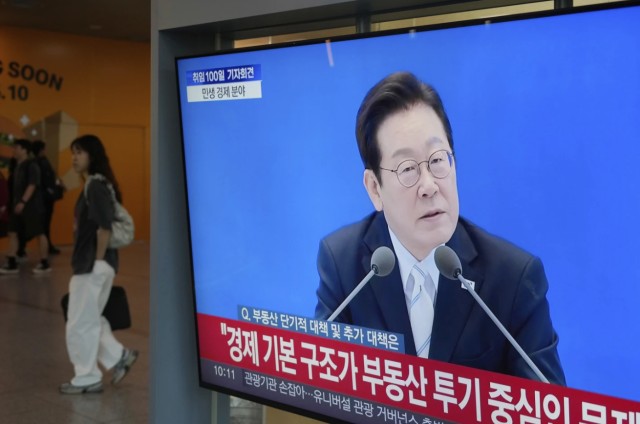
A TV Screen shows the live broadcast of South Korean President Lee Jae Myung’s press conference at the Seoul Railway Station in Seoul, South Korea, Tuesday, Sept 11, 2025.
South Korea’s President has raised concerns that U.S. visa restrictions may discourage Korean companies from investing further in America. He stressed that unresolved immigration issues could influence the future of South Korean industrial expansion in the United States.
Korean President Voices Concern
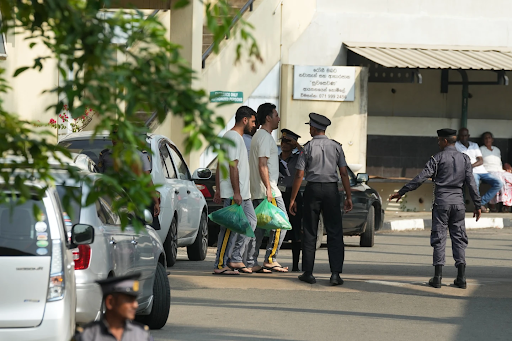
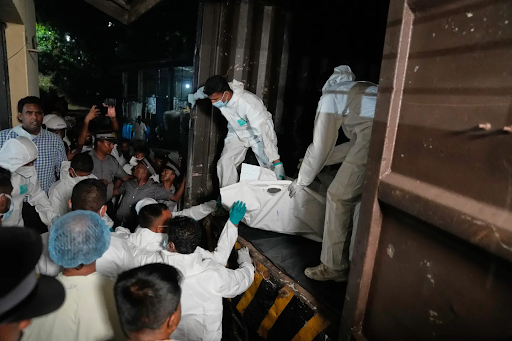
Marking his 100th day in office, President Lee addressed the issue during a news conference on Thursday. He referred to the recent immigration raid in Georgia, where U.S. authorities arrested over 300 South Korean workers. These workers were employed at a Hyundai battery factory under construction at the company’s vast Georgia auto plant.
Lee revealed that the detained workers will return to South Korea on Friday via a chartered flight. This arrangement followed urgent negotiations between Seoul and Washington.
Visa System Under Scrutiny
The South Korean leader emphasized that the current U.S. visa system is insufficient for skilled Korean workers. According to him, the lack of proper work permits forces companies to hesitate before committing to direct U.S. investments.
American officials stated that some workers crossed the border illegally, while others overstayed visas or misused waivers. Still, South Korean experts argue that Washington has ignored Seoul’s long-standing request for a structured visa framework.
Years of Unresolved Demands
For years, South Korean companies have relied on short-term visitor visas or the Electronic System for Travel Authorization (ESTA). These permits were used to temporarily bring technicians for plant setups, equipment installation, and manufacturing launches. The U.S. had largely tolerated this practice until recent crackdowns.
Despite urging South Korea to boost industrial investments, Washington has yet to address this visa gap. Korean officials believe this contradiction creates uncertainty for investors planning multi-billion-dollar projects in the U.S.
Investments at Risk
Lee warned that future South Korean investments in America depend heavily on whether the U.S. reforms its visa policies. “This is not about permanent jobs,” Lee explained. “When a facility is built, companies need technicians to install equipment. The U.S. lacks this workforce but still denies visas for our skilled people.”
His statement signals that without reforms, Korean companies may redirect investments to other regions offering smoother immigration policies.
Bilateral Talks Continue
Both governments are now holding discussions to explore possible improvements in the visa system. Officials suggest a more flexible framework could support skilled Korean technicians during the setup phases of industrial projects.
The issue has become a pressing factor in U.S.-South Korea economic relations. As Korean firms like Hyundai and Samsung expand operations in America, uncertainty over workforce mobility poses a direct challenge.
Outlook
The coming weeks will reveal whether Washington is willing to accommodate South Korea’s demands. A fair and effective visa policy could strengthen industrial ties, while continued delays may push Korean investors to reconsider U.S. expansion plans.