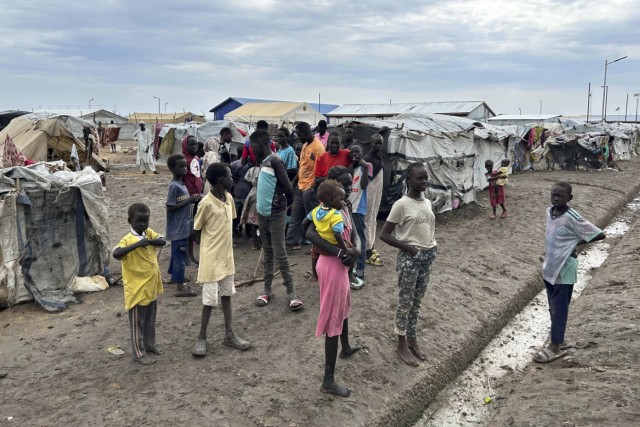
Children gather at the Renk transit center, which hosts people fleeing the war in Sudan, in Renk, South Sudan, Saturday, Aug 9, 2025.
Daud Mahmoud Abdullah was just a young man when he left Aweil, South Sudan, in the mid-1980s. The country was still part of Sudan and caught in a bloody war that killed around 2 million people. Like many others, Abdullah fled north for safety.
Nearly four decades later, at the age of 60, he found himself back near home. But his return came after six harsh months in a Sudanese prison. In July, he finally crossed the border into South Sudan, breathing deeply and whispering to himself, “I am alive.”
His survival feels nothing short of a miracle.
Sudan’s War Turns Refuge into a Nightmare
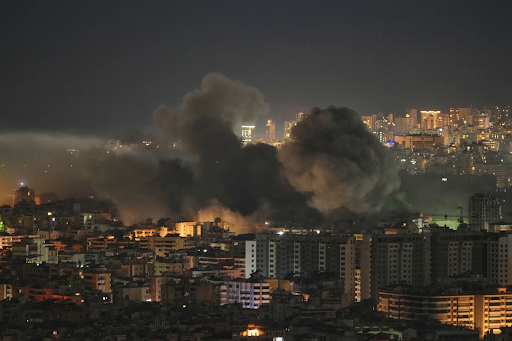
Sudan, once a refuge for exiled South Sudanese, is now engulfed in a devastating civil war. Since April 2023, the conflict between the Sudanese Armed Forces (SAF) and the Rapid Support Forces (RSF) has killed nearly 40,000 people. Around 13 million more have been displaced, according to the United Nations.
Abdullah had lived in Wad Madani, capital of Al Jazirah State, 135 kilometers south of Khartoum. But the town came under attack by RSF fighters, a group infamous for atrocities in Darfur two decades ago. The International Criminal Court has accused them of fresh war crimes in famine-hit areas of Darfur.
When SAF launched operations to reclaim Al Jazirah earlier this year, they began mass arrests. Abdullah was seized while returning from the market. Soldiers accused him of cooperating with the RSF. He says he was beaten, tortured, and burned with cigarettes to force a confession. He never confessed, yet was locked away.
Torture, Starvation and Death in Sudanese Prisons
The United Nations has already warned of widespread torture, arbitrary detention, and ill-treatment in Sudanese prisons. Abdullah’s story confirms this grim reality.
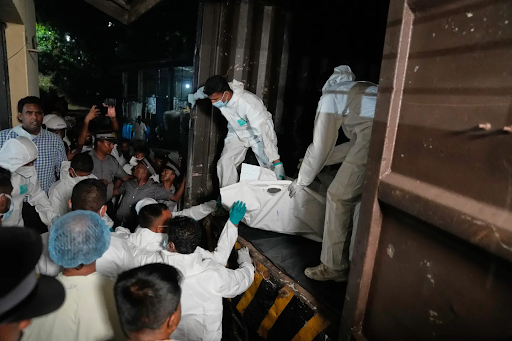
He recalls prisoners dying daily from starvation, disease, and brutal beatings. One morning, he woke up to find 28 inmates dead in his cell. For three days, their bodies lay uncollected. Guards mocked survivors, saying, “If you want to die also, you can die with them.”
The Associated Press interviewed several other South Sudanese men who survived similar ordeals. They described sleeping in cramped cells, torture with knives, electricity, and constant beatings. Food and water were almost nonexistent. Many lost their health; some lost their lives.
Sudden Freedom at the Border
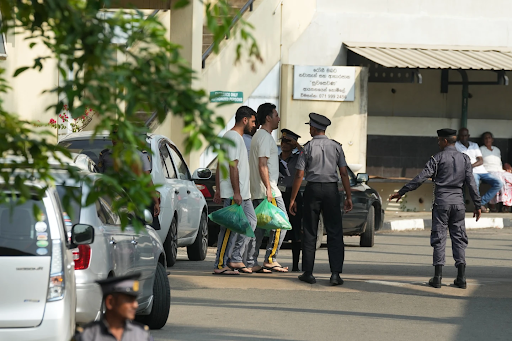
In late July, prison officials separated 99 South Sudanese prisoners from the rest. By the time they were transported, one had died, leaving 98 survivors. None were told they were being released.
The men were driven across the border into South Sudan and handed over to local authorities in Renk. For Abdullah, this was the first time in 40 years he stood on his native soil.
Renk Strained by Humanitarian Crisis
Renk, South Sudan’s northernmost town, has become a lifeline for thousands fleeing Sudan’s war. Since 2023, the United Nations and South Sudanese government have helped more than 250,000 people travel onward to their hometowns.
But the program was suspended in June 2025 due to funding cuts. Today, more than 12,000 displaced people are stuck in Renk’s overcrowded transit center, living in makeshift shelters of sticks and cloth.
A Painful Reunion, A Hopeful Future
Despite the hardship, Abdullah found joy in Renk. His wife, daughter, and younger brother had already fled south and were waiting for him. Their reunion was filled with tears and relief.
His wife said, “We did not expect to see him alive again. When I saw Abdullah, I thanked God.”
Now Abdullah dreams of returning to Aweil, the place he left so many years ago. He is trying to contact family still trapped in Sudan. His hope is simple: to bring them home, and to start again together.