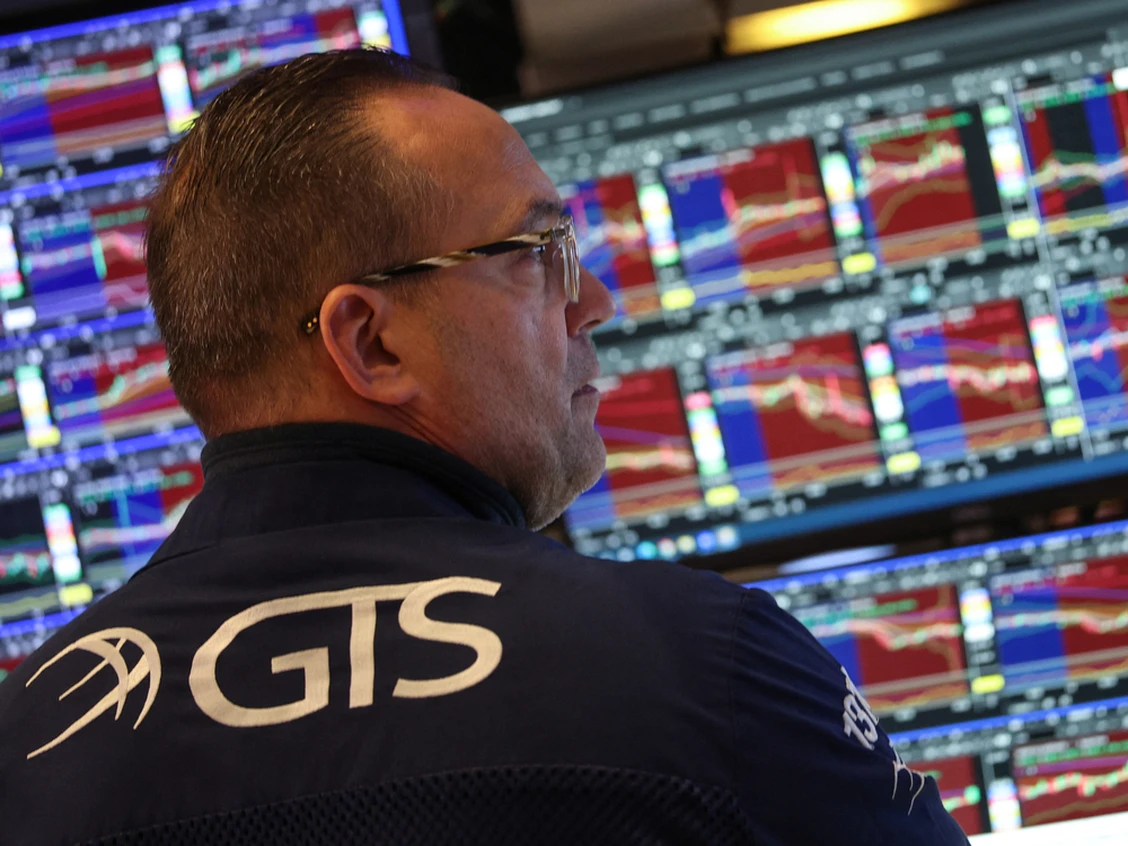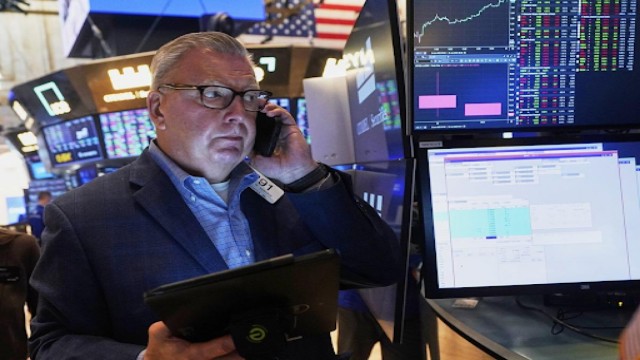
Matias Roberts, a trader, is seen working on the floor of the New York Stock Exchange on Wednesday, June 25, 2025. (Photo by Richard Drew, AP)
Canada’s leading stock index, the S&P/TSX Composite, closed down by 152.30 points on Wednesday, settling at 26,566.32. The dip was felt across nearly all sectors, pulling the market into the red after Tuesday’s temporary boost.
On Wall Street, trading showed mixed results. The Dow Jones Industrial Average slipped by 106.59 points, closing at 42,982.43. The broader S&P 500 remained flat at 6,092.16, while the tech-heavy Nasdaq climbed modestly by 61.02 points, ending the day at 19,973.55.
The market mood shifted from Tuesday’s optimism, when hopes that an escalating Israel-Iran conflict wouldn’t disrupt global oil supplies had lifted investor sentiment. But by Wednesday, the rally had cooled.
According to Hadiza Djataou, vice-president and portfolio manager at Mackenzie Investments, the day’s dip wasn’t a total reversal—more of a reality check. "It’s a correction after yesterday’s euphoria," she explained. Despite the U.S. government’s praise of a ceasefire, she pointed out that Israel hasn’t made any firm public commitment to staying out of further conflict.
In the U.S., stocks hovered near their record highs as investors waited for clearer signals. The fragile ceasefire in the Middle East appeared to be holding, calming nerves for now. Still, traders remained cautious.
Djataou noted that investors had been bracing for a bigger geopolitical impact, but so far, oil supply hasn’t been interrupted. "Iran’s oil is still flowing," she said. "There hasn’t been any supply shortage. Much of the movement in oil prices now seems to be driven by speculation rather than supply-demand fundamentals."
Oil prices rose slightly, with August crude contracts up 55 cents at US$64.92 a barrel, after a decline the day before.
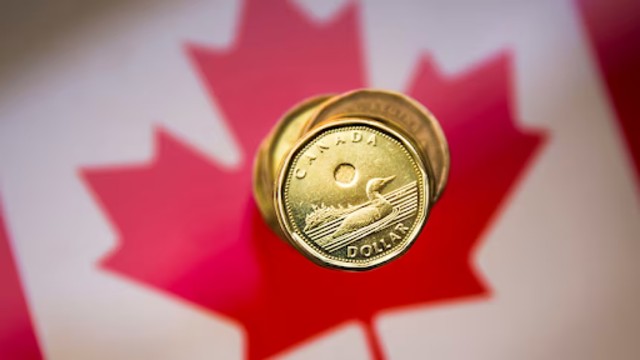
Meanwhile, the Canadian dollar weakened, trading at 72.80 cents U.S., down from 72.93 cents on Tuesday.
Another factor hanging over the markets is the uncertainty surrounding U.S. tariffs. Announced by former President Donald Trump earlier this month, the tariffs are on hold until July 9. However, Djataou warned that many investors might be overlooking the risk they pose.
The Federal Reserve, too, is playing it safe. Chair Jerome Powell told U.S. lawmakers he’s holding off on any major policy decisions until there’s more clarity on how tariffs and other economic signals play out.
Speaking to a Senate committee on Wednesday, Powell repeated his stance from the day before at the House of Representatives. “We’re in a good position to wait and watch,” he said, adding that the central bank is not rushing into any changes.
This watch-and-wait approach has left investors hoping for a rate cut. According to Djataou, such expectations typically boost confidence in riskier assets like stocks.
Gold prices also edged higher. The August contract gained US$9.20, finishing at US$3,343.10 an ounce.