The TMX Broadcast Centre in Toronto is seen in this photo. (Photo credit: Darren Calabrese / The Canadian Press)
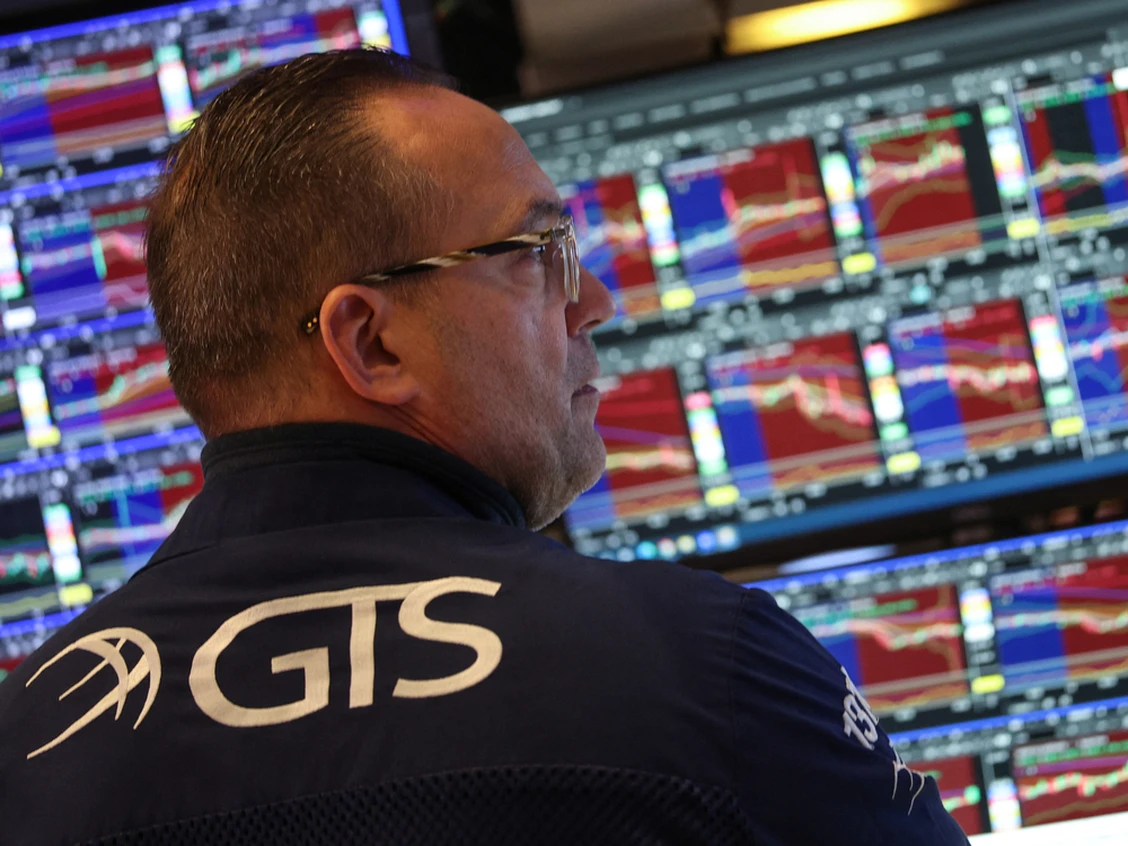
Canada’s main stock market ended Tuesday on a high note, rising over 100 points, thanks to a strong performance from technology stocks. This uptick came even as oil prices slid and global tensions seemed to ease. Meanwhile, U.S. markets also recorded solid gains, riding the wave of optimism.
The S&P/TSX composite index closed up 109.26 points, finishing the day at 26,718.62.
A surge in the U.S. tech sector played a key role in pushing Canada’s market upward. According to Philip Petursson, Chief Investment Strategist at IG Wealth Management, the rally wasn’t limited to usual giants like Nvidia, but included names such as Intel, AMD, and Super Micro. This broader tech rally spilled over into Canadian markets, lifting investor sentiment.
“It’s not just the typical tech names this time,” Petursson noted. “We’re seeing a more widespread push in the tech space, which is helping Canadian stocks too.”
U.S. Markets Rally Strong
On Wall Street, all major indices closed higher:
- Dow Jones rose 507.24 points to 43,089.02
- S&P 500 gained 67.01 points to 6,092.18
- Nasdaq Composite climbed 281.56 points to 19,912.53
Petursson pointed out that what the markets are craving now isn’t necessarily global peace, but stability. With several uncertainties resolved, particularly surrounding tariffs and tensions in the Middle East, investor confidence seems to have returned.
“The cloud of uncertainty has lifted. Investors are now focusing on earnings, valuations, and where the economy is headed next,” he explained.
Oil Prices Tumble as War Fears Ease
While equities were rising, oil took a different turn. Crude prices dipped after signs that the recent conflict between Israel and Iran wouldn’t disrupt oil supplies. The August oil contract dropped $4.14 to close at $64.37 per barrel.
The market had feared that Iran, a major oil supplier, might retaliate in a way that would choke oil movement—possibly by blocking the Strait of Hormuz, a key route for 20% of the world’s oil. But those fears began to fade after Iran's response to U.S. involvement appeared limited and did not target oil facilities.
Oil prices had initially spiked due to geopolitical tension, but started to plunge as it became clear that oil production and transportation would remain unaffected. By Tuesday, prices had dropped to levels even lower than before the conflict began.
“The $10 geopolitical premium baked into oil prices is now gone,” Petursson said. “We’ve basically returned to pre-crisis energy levels.”
Gold and Currency Movement
Gold prices also slipped sharply. The August gold contract dropped $61.10, landing at $3,333.90 an ounce.
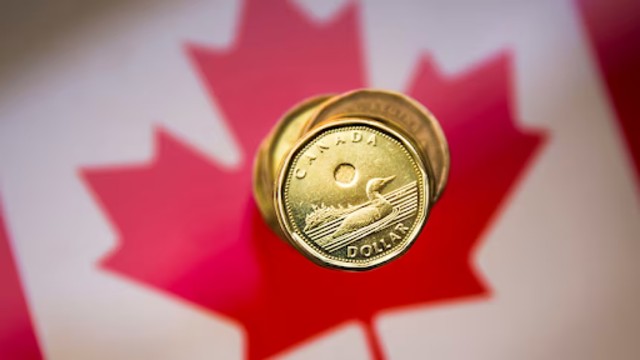
Meanwhile, the Canadian dollar strengthened slightly, trading at 72.93 cents US, up from 72.70 cents US the day before.