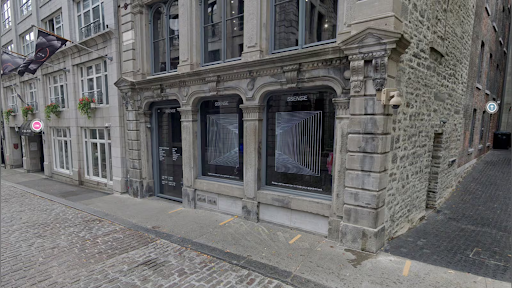
The SSENSE store on St. Sulpice Street in Old Montreal.
Montreal-based luxury fashion retailer SSENSE is returning to its roots.
The company confirmed that its original founders will buy it back.
The announcement follows months of financial uncertainty and legal restructuring.
SSENSE had filed for creditor protection last year amid mounting pressure.
Now, the brand’s future is once again in familiar hands.
Founders Win Court-Supervised Sale Process
SSENSE said its co-founders successfully won the bidding process.
Brothers Rami Atallah, Bassel Atallah, and Firas Atallah led the winning group.
They were joined by a strategic partner during the acquisition.
The bid was approved under a Court-supervised Sale and Investment Solicitation Process.
This process was conducted under Canada’s Companies’ Creditors Arrangement Act.
A formal purchase agreement has already been signed.
However, the transaction still requires court and regulatory approvals.
These are standard conditions in such restructuring deals.
Deal Expected to Close by Mid-February
The company expects the sale to close by February 14.
SSENSE said no major hurdles are anticipated before completion.
Once finalized, the founders will officially regain ownership.
This move is expected to bring leadership continuity.
Industry observers believe that stability could help rebuild confidence.
Both internally and across the global fashion market.
SSENSE’s Rise and Recent Financial Struggles
SSENSE was founded in Montreal in 2003.
It quickly grew into a global luxury fashion destination.
The brand sells high-end clothing and accessories online.
It also operates physical retail locations.
Despite its strong reputation, SSENSE faced severe financial pressure in 2025.
In August, the company filed for creditor protection.
SSENSE alleged that lenders were attempting a forced sale.
The company claimed this was done without its consent.
In an internal memo, leadership defended the move.
They said creditor protection was necessary to safeguard operations.
Tariffs and Trade Tensions Add Pressure
SSENSE also blamed broader economic factors.
Trade tensions with the United States played a major role.
The company pointed to tariffs imposed during Donald Trump’s presidency.
These tariffs increased costs for cross-border shipments.
The end of the US$800 de minimis exemption added further strain.
This change raised shipping costs for many fashion retailers.
Small and mid-sized brands felt the impact sharply.
SSENSE said the shift hurt sales and margins.
Layoffs and Restructuring Under CCAA
Over several months, SSENSE reduced its workforce significantly.
About one-third of employees were laid off.
The company cited a liquidity crisis and heavy losses.
Short-term fixes were no longer viable.
SSENSE said restructuring under the CCAA was unavoidable.
It described the process as the only path forward.
Experts Welcome Founder-Led Comeback
Business strategist Carl Boutet welcomed the news.
He called founder ownership “excellent news” for SSENSE.
Boutet said continuity matters during economic uncertainty.
He warned against takeover by purely financial investors.
Such buyers often strip businesses of their core identity.
Founders, he said, understand what made SSENSE special.
Global Impact Beyond a Niche Brand
Some view SSENSE as a niche luxury platform.
Boutet disagrees with that assessment.
He described SSENSE as a major Montreal company.
Its influence stretches across global fashion markets.
The brand also supports Canadian designers worldwide.
For many, the buyback signals renewed confidence in SSENSE’s future.