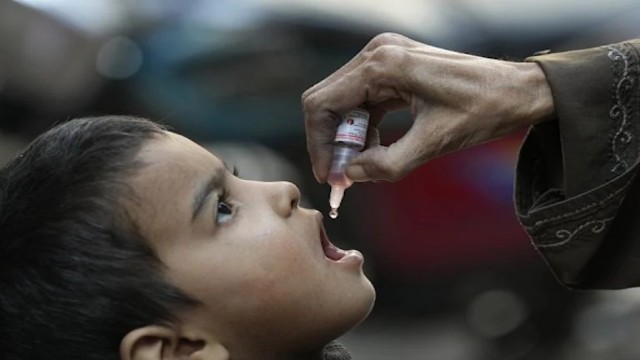
A health worker administers a polio vaccine to a child in Karachi, Pakistan, Jan. 8, 2024. (AP Photo)
The world is facing a silent crisis. Childhood vaccination efforts have slowed dramatically since 2010, and the fallout is being felt across the globe. Measles, polio, tuberculosis, and other once-contained diseases are making a dangerous comeback—putting millions of children at risk.
Alarming Decline in Measles Immunity
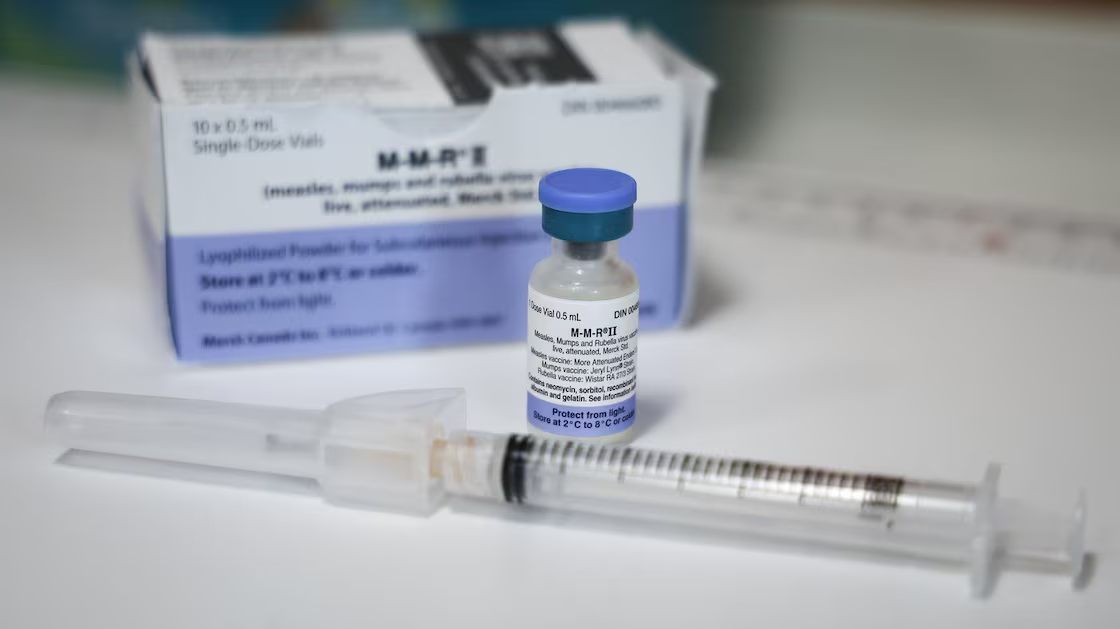
According to new research published in The Lancet, protection against measles has weakened in 100 countries between 2010 and 2019. This includes wealthier nations that had previously eliminated the virus. The findings highlight a disturbing trend: decades of public health progress are now unravelling.
Experts are deeply concerned. “After clean water, vaccination is the most effective tool we have,” said Helen Bedford, professor of children's health at University College London. Though not involved in the study, she emphasized the growing problem of vaccine hesitancy.
Misinformation Fuels Rising Hesitancy
Misinformation is playing a significant role in the drop. A growing number of parents are choosing to skip childhood vaccines. In the UK, this has led to the highest measles cases since the 1990s and several infant deaths from whooping cough.
The United States is facing a similar trend. Vaccination rates are slipping, while exemptions are at a record high. Public health officials fear these decisions could open the door to outbreaks of diseases that had once been nearly eliminated.
Global Success Now Under Threat
Since its launch in 1974, the World Health Organization’s routine immunization program has saved over 150 million lives. It helped raise coverage of the diphtheria-tetanus-whooping cough vaccine from 40% to 81%. Measles coverage rose from 37% to 83%.
But the COVID-19 pandemic disrupted these gains. In 2023 alone, around 15.6 million children missed their DTP and measles vaccines. An additional 16 million went unprotected against polio, and 9 million missed the tuberculosis shot. The worst impact has been recorded in sub-Saharan Africa.
Eight Countries Hold Half the Burden
Researchers from the Institute for Health Metrics and Evaluation at the University of Washington found that over half of the world’s unvaccinated children live in just eight countries: Nigeria, India, Congo, Ethiopia, Somalia, Sudan, Indonesia, and Brazil.
The analysis was supported by the Bill & Melinda Gates Foundation and Gavi, The Vaccine Alliance. It sheds light on where focused efforts are urgently needed to close the immunization gap.
Political Cuts Raise Global Health Concerns
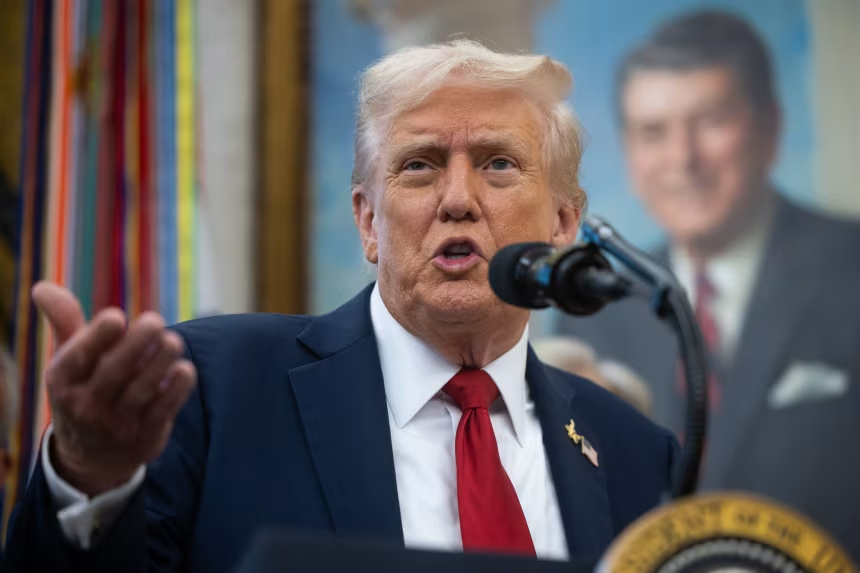
Recent political decisions could worsen the crisis. The U.S. withdrawal from the WHO and cuts to international aid under the Trump administration have drawn serious criticism. Experts warn that reduced support could spark new epidemics and threaten global health security.
The World Health Organization has already reported an 11-fold spike in measles cases in the Americas this year compared to 2024. In Europe, cases doubled. The disease remains common in parts of Africa and Southeast Asia.
A Shared Global Responsibility
“This must be urgently addressed,” said Dr. David Elliman, a pediatric advisor to the UK government. “Infectious diseases know no borders. When one region falters, we all face the risk.”