Germany has charged a Syrian juvenile in relation to a foiled attack on a Taylor Swift concert in Vienna last year.
A Syrian teenager is now facing serious charges in Germany for allegedly aiding a foiled terror plot targeting pop star Taylor Swift concert in Vienna. The juvenile, identified only as Mohammad A., has been accused of supporting a foreign terrorist organization—specifically the Islamic State (IS)—in connection with the planned attack.
A Deadly Plot Foiled Just in Time
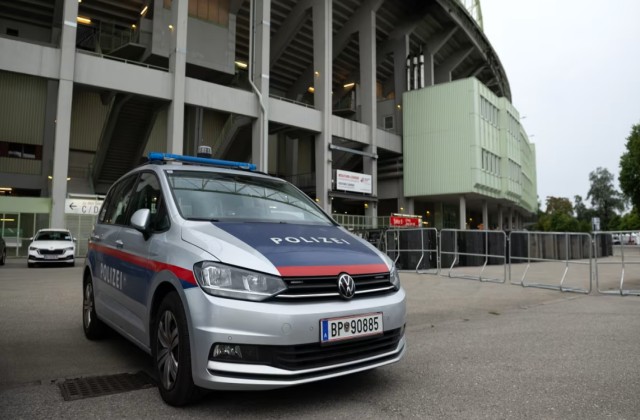
According to Germany’s federal prosecutor, Mohammad A. became involved in Islamic State’s ideology no later than April 2024. By mid-July, he was reportedly in close contact with a young Austrian extremist. The Austrian suspect was allegedly plotting a bomb attack on Taylor Swift's concert scheduled at Vienna’s Ernst Happel Stadium.
Authorities acted swiftly. The plan was intercepted before any harm occurred, leading to multiple arrests and the immediate cancellation of all three Vienna concerts in August 2024. The alertness of European security forces likely averted a devastating tragedy.
How the Taylor Swift Terror Plot Unfolded
Investigators revealed that Mohammad A. played a critical supporting role in the bomb plot. He translated Arabic bomb-making instructions and connected the Austrian suspect with an online member of the Islamic State. This digital link gave the attacker access to extremist resources and guidance from IS operatives.
German authorities believe Mohammad A. was a firm believer in the Islamic State's extremist ideology. His involvement wasn't passive; he actively facilitated communication between terrorists and helped distribute deadly knowledge.
Taylor Swift Concert Plot Raises Security Concerns
The Taylor Swift concert plot has reignited debates around digital surveillance and national security across Europe. Austria, where the planned attack was to take place, has responded quickly. Earlier this month, the Austrian government approved a new law that allows law enforcement to monitor secure messaging apps—an area previously beyond their reach.
Security experts have long warned that end-to-end encrypted platforms can serve as safe havens for extremists. Austria’s move is a direct response to this blind spot, hoping to prevent similar incidents in the future.
Germany’s Broader Fight Against Terrorism
Germany’s swift action in pressing charges underlines its firm stance on tackling terrorism. The case against Mohammad A. also highlights how international terror networks, such as the Islamic State, continue to prey on vulnerable youth via online platforms.
By charging the teen with aiding a foreign terrorist group, German authorities are not just addressing the individual crime—they're sending a clear message. Supporting terrorism, even indirectly through digital means, will face full legal consequences.
Pop Stars as Targets: A Disturbing Trend
This isn’t the first time a high-profile pop concert has been targeted by extremists. Attacks on live music events, especially those led by Western celebrities like Taylor Swift, are often symbolic strikes aimed at youth culture and freedom.
Swift, one of the world’s biggest music icons, had drawn thousands to her Vienna shows. The disruption caused by the plot affected not just fans but also the broader European entertainment industry, which now remains on high alert.
The Need for Vigilance
The foiled Taylor Swift concert attack is a chilling reminder of the evolving threat landscape in Europe. As extremists leverage technology to spread hate and plan violence, authorities must adapt quickly.
Thanks to timely intelligence and cooperation between nations, a major disaster was prevented. Yet, the case of Mohammad A. emphasizes the importance of remaining vigilant—both online and offline.
As Taylor Swift continues her global tour, fans and authorities alike are now more aware of the hidden threats that lurk in the shadows of fame. The battle against terrorism is far from over—but every prevented plot is a victory in itself.