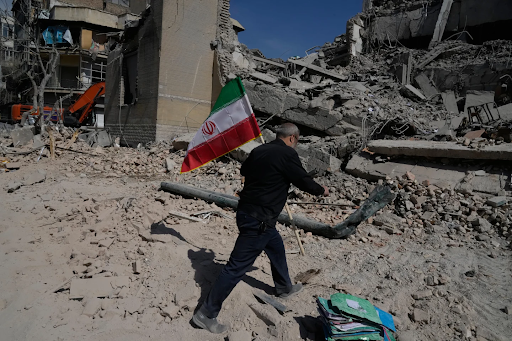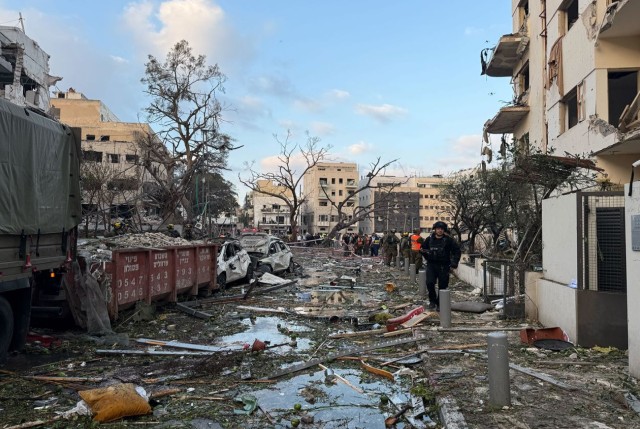
A street in Tel Aviv is covered in debris as emergency workers search the area after an Iranian missile strike on Monday.
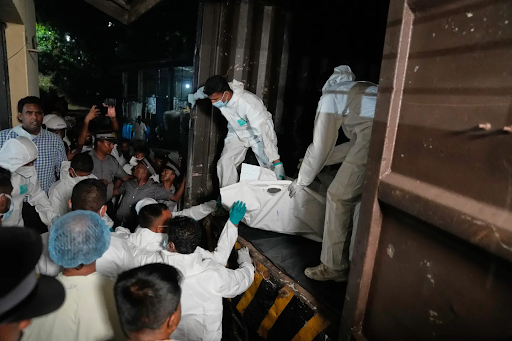
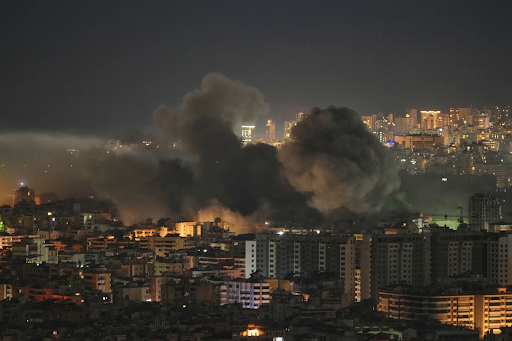
As dawn broke over Tel Aviv on Monday, the city woke to scenes of destruction. Overnight, Iran launched a barrage of missiles targeting central Israel. Fires raged, buildings lay in ruins, and residents desperately searched for missing loved ones. The latest attack pushed Israel’s death toll to 17, with four more lives lost overnight.
Iranian Missiles Penetrate Israeli Defenses
Trita Parsi, vice president at the Quincy Institute for Responsible Statecraft, shared with CNN that Israel misjudged Iran’s ability to recover. Despite Israel’s earlier successful strikes that eliminated several top Iranian military commanders, Iran rapidly restructured its operations.
“They underestimated Iran's capacity to regroup,” Parsi explained. “Even after losing high-ranking leaders, Tehran has resumed organized, forceful retaliation.” He added that Iranian missiles are now “successfully penetrating all layers of Israel’s air defense.”
Multiple Cities Targeted, Rising Death Toll
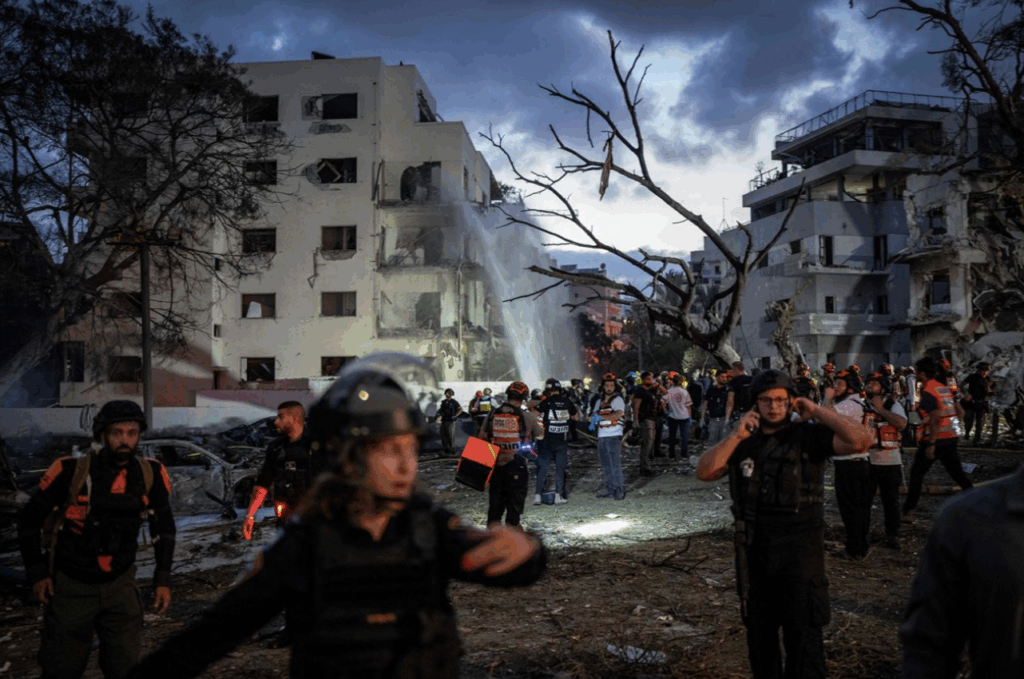
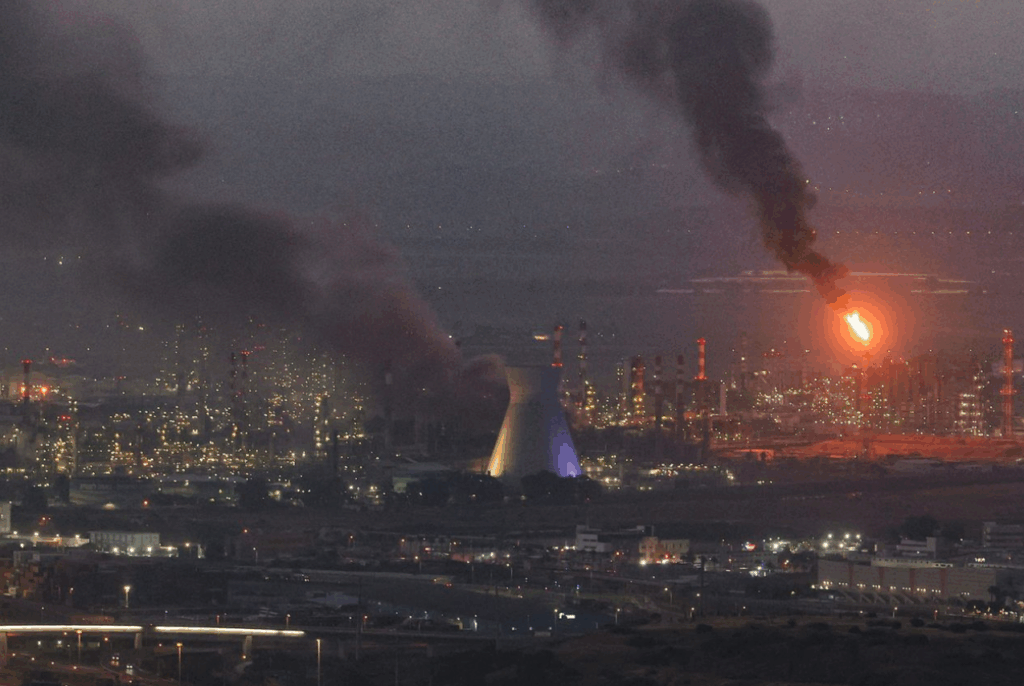
The latest missile wave struck several locations, including Tel Aviv and the northern city of Haifa. Explosions rocked residential zones. Fires engulfed parts of Tel Aviv and Haifa’s industrial infrastructure, including an area near a key oil refinery.
Meanwhile, Iranian cities faced equally dire consequences. Israeli airstrikes reportedly hit multiple strategic zones across western and central Iran, adding to the region's chaos.
Tehran in Panic: Civilians Flee, Fuel Shortages Worsen
In Tehran, residents are scrambling to flee. Streets are gridlocked with traffic. Long queues formed at gas stations on Sunday as families tried to escape to the Caspian Sea region, considered relatively safer.
“People are scared,” a Tehran resident told Reuters. “There are no emergency shelters. Everyone’s just trying to leave.”
Fuel is in short supply, worsening the panic. Citizens reported waiting in multiple lines to gather enough fuel, sometimes unsuccessfully. The rush to evacuate Tehran paints a grim picture of a population on edge.
Civilian Casualties Mount on Both Sides
Iranian officials say more than 200 people have died in their country since Israeli strikes began. Most of the victims are civilians, including women and children. Shocking images from Tehran show injured people sprawled on streets, bloodied and terrified, many clutching children as they run for cover.
While Iran mourns its dead, Israel braces for more attacks. With civilian neighborhoods under threat, both nations have warned people to stay away from military and strategic sites. The war is showing no mercy to non-combatants caught in its deadly path.
Oil Prices Surge as Global Markets React
The conflict’s impact is extending beyond the Middle East. Oil prices soared again on Sunday. U.S. crude climbed 1.2% to $73.85 per barrel, while Brent crude rose 1% to reach $75. The spike follows a 7% increase the previous week.
Global markets are rattled. Analysts warn that if the conflict spreads further, especially around the Strait of Hormuz, oil exports could be severely disrupted. This chokepoint handles nearly one-fifth of global oil trade. Any blockage there could trigger a global energy crisis.
Fears of Wider Conflict Grow
The Israel-Iran conflict now appears dangerously close to full-scale war. Both sides have issued warnings to civilians. Israel urged Iranians living near weapons manufacturing zones to evacuate. Iran responded with a similar warning for Israelis near military and scientific facilities.
As missiles continue to fly and the human cost rises, the world watches with growing concern. The violence shows no sign of stopping, and with every passing hour, fears of a broader regional war increase.