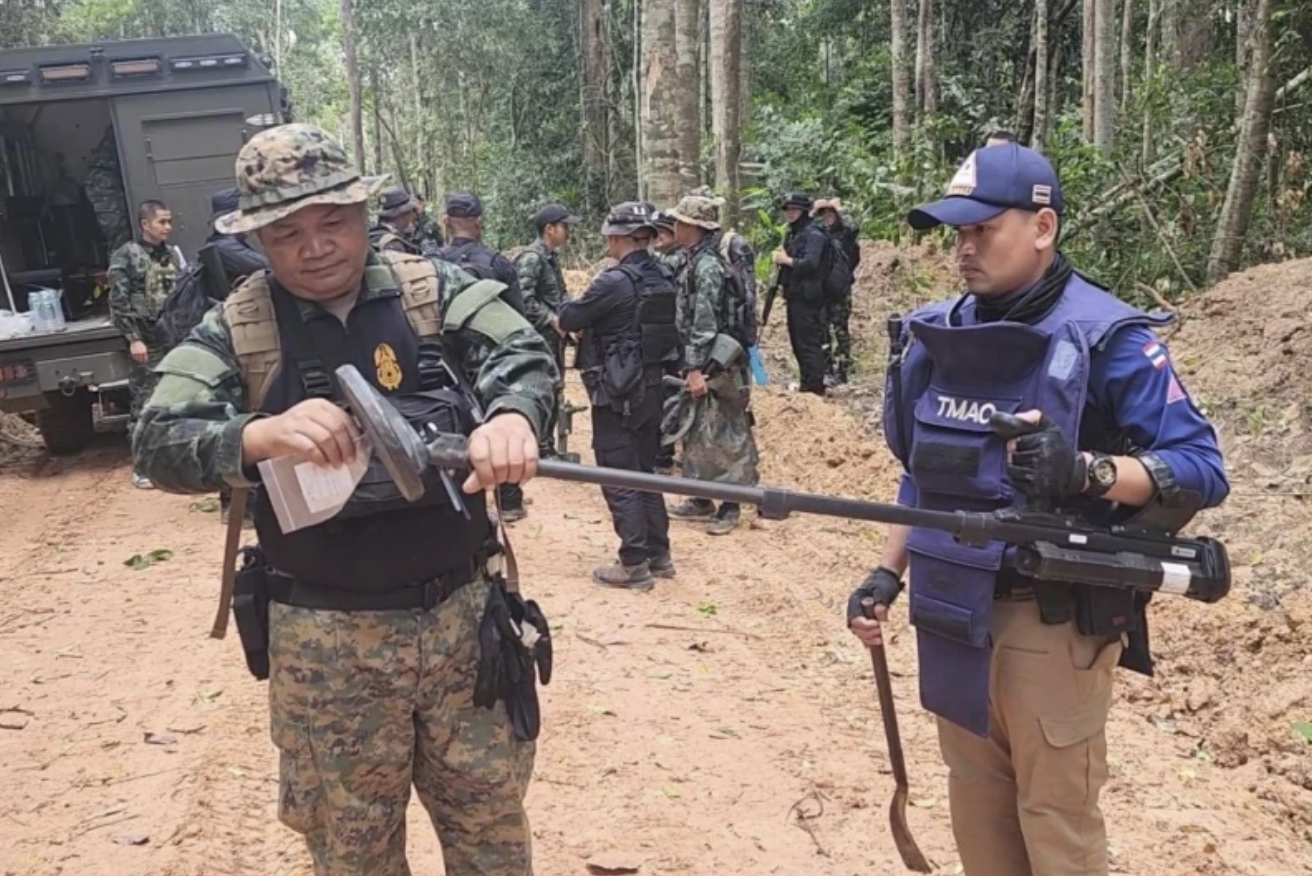
In this photo released by the Royal Thai Army, Thai soldiers inspect a border area on Sunday, July 20, 2025, in Ubon Ratchathani province, where the Royal Thai Army said two anti-personnel landmines were found.
Tensions between Thailand and Cambodia have erupted into deadly violence. A long-standing border dispute turned violent this week, claiming at least 14 lives and injuring dozens. What started as a standoff has now become one of the most dangerous flare-ups in recent years between the two Southeast Asian nations.
Clashes Turn Violent Along Disputed Border
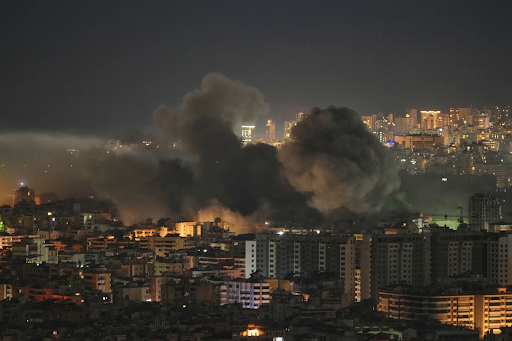
Border fighting broke out near the ancient Ta Muen Thom temple, located between Thailand’s Surin province and Cambodia’s Oddar Meanchey. It wasn’t just gunfire—shelling and rocket attacks were also reported. Thai authorities confirmed the deaths of one soldier and 13 civilians. Fourteen soldiers and 32 civilians were also injured.
In response, Thailand launched air strikes, marking a serious military escalation. The Thai Defense Ministry reported ongoing clashes in at least six locations along the border.
How the Border Dispute Began
The roots of this crisis go back to May when a Cambodian soldier was killed during a brief exchange of fire in a contested area. Both nations claimed they acted in self-defense.
Though leaders promised to ease tensions, the situation never truly de-escalated. Instead, both countries began taking non-military actions. Thailand restricted cross-border travel, only allowing access for essential cases. On Thursday, it sealed the border completely.
Cambodia retaliated by banning Thai entertainment content, blocking imports of Thai fuel, fruits, and vegetables, and cutting some internet and power connections.
Political Fallout in Thailand
The border violence is now causing political instability in Thailand. Prime Minister Paetongtarn Shinawatra was suspended on July 1. She is under investigation for ethics violations after a controversial phone call was leaked.
In the call, she referred to Cambodian Senate President Hun Sen as “uncle” and criticized Thailand’s military. Critics saw the conversation as undermining national interests.
The scandal triggered protests and split her governing coalition. The Bhumjaithai Party, the second-largest group, withdrew support, accusing her of being too lenient with Cambodia.
Though Paetongtarn apologized, the damage was done. Former Defense Minister Phumtham Wechayachai is now serving as acting prime minister.

Thailand’s new Prime Minister Paetongtarn Shinawatra talks to media members after receiving a royal letter of endorsement for the post at the Pheu Thai party headquarters in Bangkok, Thailand, on Aug. 18, 2024.
Historical Disputes Still Haunt the Region
Thailand and Cambodia share a border stretching over 800 kilometers. The core of their dispute dates back to colonial times. A 1907 French-drawn map is at the center of the disagreement. Cambodia uses it to support its territorial claims, while Thailand argues it is flawed.
Tensions have flared around the Preah Vihear temple, a 1,000-year-old heritage site. In 1962, the International Court of Justice ruled the temple belonged to Cambodia. The decision has fueled friction ever since.
After deadly clashes in 2011, Cambodia returned to the court. In 2013, the court reaffirmed its earlier ruling in Cambodia’s favor. But Thailand has refused to accept the court's authority over new disputes.
Now, with Cambodia again approaching international courts, Thailand continues to reject outside intervention.

Cambodian Senate President Hun Sen delivers a speech during his visit to a border site of Preah Vihear province, near the Cambodia-Thailand border, in Cambodia, Thursday, June 26, 2025.
What Lies Ahead?
The border conflict has become a dangerous mix of military, political, and historical tensions. With clashes continuing and diplomacy deteriorating, the risk of a wider crisis looms.
Calls for international mediation may grow louder if the violence escalates further. But for now, both sides remain entrenched—militarily and politically.
The world is watching closely. Whether calm can return will depend not only on diplomacy but also on political will from leaders on both sides of the border.