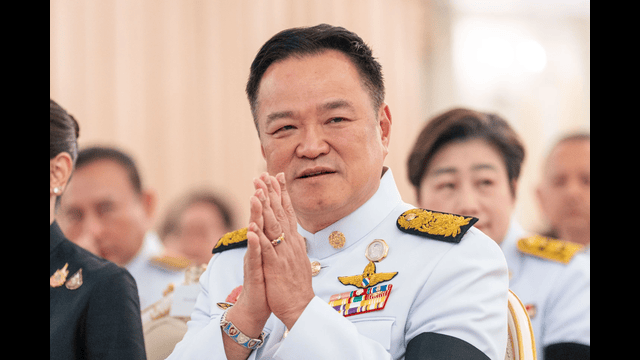
Thailand’s Prime Minister Anutin Charnvirakul gestures as he attends an event at the government house in Bangkok, Thailand, Friday, Dec. 12, 2025.
Thailand entered a new political chapter on Friday after Prime Minister Anutin Charnvirakul dissolved Parliament to pave the way for early elections next year. The move comes at a tense moment, with Thailand locked in deadly border fighting with Cambodia and political divisions deepening at home.
The dissolution became official after receiving approval from King Maha Vajiralongkorn, whose endorsement was published in the Royal Gazette. Under Thai law, the national election must take place within 45 to 60 days of the royal approval. Until then, Anutin will lead a caretaker government with limited authority and no power to pass a new budget.
PM Anutin Sends Power Back to the People
Anutin hinted at the dissolution on Thursday night through a Facebook post saying, “I’d like to return power to the people.”
His decision comes only three months after taking office, replacing Paetongtarn Shinawatra, who served for one year before being suspended for ethics violations linked to a sensitive phone call with Cambodia’s Senate President Hun Sen.
Anutin rose to leadership in September after winning a parliamentary vote, helped by the opposition People’s Party, which supported him in exchange for a promise: dissolve Parliament within four months and initiate a referendum for a new constitution.
Border Conflict Intensifies Political Pressure
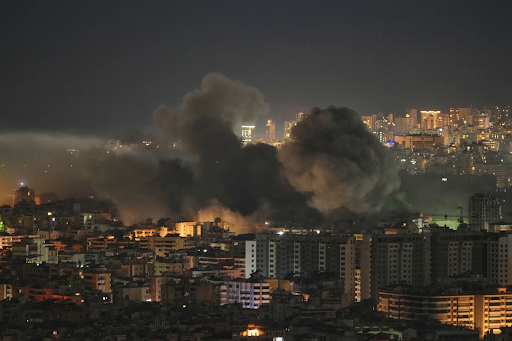
The dissolution occurs while Thailand faces serious military clashes with Cambodia. The long-standing border dispute escalated sharply this week, leaving about two dozen people dead and forcing hundreds of thousands on both sides to flee their homes.
The conflict has amplified nationalist sentiment within Thailand. Anutin has taken a tougher military stance, declaring that the country will continue fighting until its sovereignty and safety are secured.
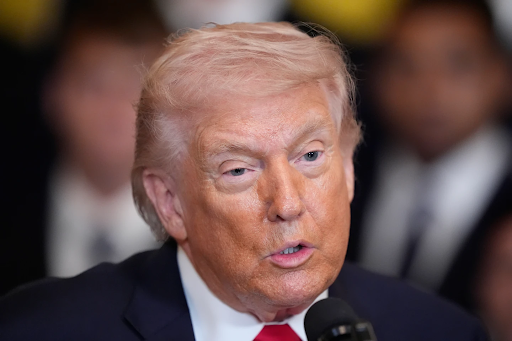
The border violence also adds economic risk. U.S. President Donald Trump previously pressured both nations into a ceasefire by threatening trade penalties. He has again vowed to intervene as fighting resurges. Any U.S. tariffs on Thai exports could significantly harm Thailand’s already fragile economy.
Constitutional Reform at the Heart of the Dissolution
The People’s Party—Thailand’s largest party—has long pushed for a new constitution. It wants the current military-era charter replaced with one drafted by an elected constituent assembly.
The threat of a no-confidence vote from the People’s Party appears to have triggered the dissolution. The party reacted strongly after members of Anutin’s own Bhumjaithai Party supported a constitutional amendment bill they believed violated the agreement made in September.
As news of the dissolution spread Thursday night, People’s Party leaders urged Anutin to honor his commitment to hold a national referendum on constitutional changes.
Political Alliances Shift Once Again
This dissolution is the latest twist in an already turbulent political year.
Anutin had previously served in Paetongtarn’s administration but resigned and withdrew his party from her coalition in June amid a scandal tied to worsening border tensions with Cambodia.
Paetongtarn, daughter of former Prime Minister Thaksin Shinawatra, was later suspended after being found guilty of ethics violations—further destabilizing the government at a time of growing conflict.
What Comes Next for Thailand?
With Parliament now dissolved, Thailand heads toward an early election that could reshape its political future.
Key questions remain:
- Will the People’s Party maintain its lead in the House of Representatives?
- Can Anutin’s Bhumjaithai Party withstand criticism over constitutional reform promises?
- And how will Thailand manage escalating clashes with Cambodia while campaigning for a national vote?
The coming weeks will determine whether Thailand can achieve political stability while navigating one of the most volatile periods in its recent history.