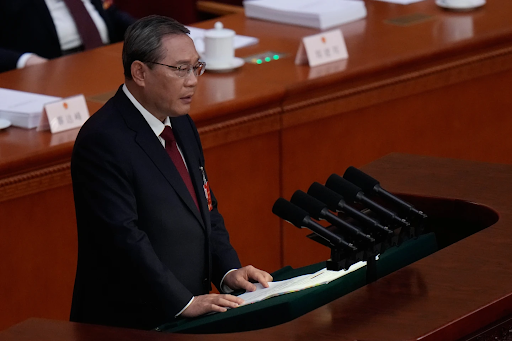
Bank of Canada Governor Tiff Macklem sat down for an interview at the central bank's headquarters in Ottawa on Wednesday, June 4, 2025. The conversation took place inside the Bank of Canada building. Photo credit: Sean Kilpatrick / The Canadian Press
Tiff Macklem, the governor of the Bank of Canada, made headlines this week—not just for holding interest rates steady for the second time—but also for signalling a shift in how the central bank sees its mission in today’s unpredictable world. Sporting an Edmonton Oilers pin, Macklem wrapped up his press conference with a hopeful “Go Oilers!” ahead of Game 1 of the Stanley Cup finals, drawing a lighthearted parallel between the game’s high stakes and Canada’s economic battles.
Just like the Oilers’ dramatic playoff comeback attempt last year, Macklem too came close to claiming a rare victory: taming inflation without pushing the country into a recession. “We got inflation down. We didn’t cause a recession,” he said, reflecting on last year’s near-miss success.
But a fresh challenge has emerged—U.S. tariff threats. As Canada works through the latest economic storm, Macklem is suggesting it might be time for the Bank’s role to evolve. After five years at the helm, he sees the need for the central bank to adapt to an increasingly “shock-prone” world.
The public has grown more aware of the Bank of Canada in recent years, especially after the pandemic triggered inflation and sparked rapid changes in interest rates. These moves aimed to meet a two per cent inflation target, part of a government mandate that’s up for review in 2025. Macklem says while the core mission should remain focused on controlling inflation, there’s room to refine how the bank responds to supply shocks and global turbulence.
He defends the current inflation targeting strategy, calling it “the biggest test in 30 years.” Still, he acknowledges the pain Canadians have felt—from rising grocery bills to skyrocketing housing costs. “A whole new generation now knows what inflation feels like, and they didn’t like it one bit,” he remarked.
Though monetary policy alone can’t make homes cheaper, Macklem admits it's played a role. High rates make borrowing harder, while low rates can fuel housing demand. He believes a better balance is needed, and hints that the upcoming review may consider broader concerns like housing affordability—though no concrete changes have been announced.
He’s also worried about how inflation behaves when the economy is under strain or facing disruption. Whether it’s supply chain breakdowns, trade fights, or climate events, Macklem says the bank must use a more flexible and informed approach.
That includes listening more closely to Canadians. The bank now leans on real-time surveys and detailed data to better understand what’s happening on the ground—quicker than waiting for official statistics.
At a recent G7 summit in Alberta, Macklem joined global leaders in tough talks about international cooperation. He stressed Canada’s growing role on the world stage, especially as G7 chair.
As the Edmonton Oilers rallied to win Game 1 in overtime, Macklem’s hopes for economic stability echoed the same fighting spirit. It’s early days in Canada’s response to new global challenges—but with lessons learned, Macklem seems ready for the next period of play.