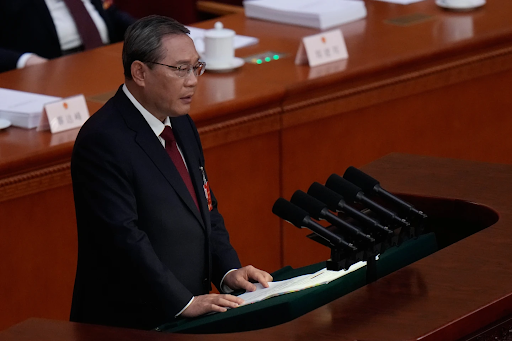
Tom Mulcair, a political commentator, says Donald Trump's decision to halt trade talks with Canada might actually mean an agreement is near.
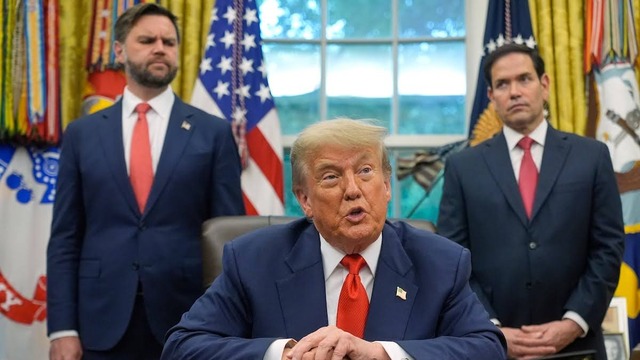
In a surprise move, former U.S. President Donald Trump announced Friday that all trade discussions with Canada are being halted immediately. His main concern? Canada’s newly implemented digital services tax, which he described as a direct attack on American tech companies.
The announcement came through a post on Trump’s social media platform, Truth Social, where he didn’t mince words. Calling the tax a “blatant attack,” Trump declared that the U.S. is pulling out of any further trade negotiations with its northern neighbour.
This development comes amid months of trade tensions between the two countries. Trump had already imposed several rounds of tariffs on Canadian products, leading Canada to respond with countermeasures of its own.
Canada Responds Quietly, Promises to Protect Interests
Canadian Prime Minister Mark Carney met privately with his council on Canada-U.S. Relations shortly before Trump’s post went public. Afterward, he told reporters he hadn’t spoken with Trump directly. A brief statement from the Prime Minister’s Office later clarified that Canada remains committed to ongoing talks that protect Canadian workers and businesses.
Just weeks ago, during the G7 summit in Alberta, both leaders had agreed to push for a new trade and security deal by mid-July. But Trump’s latest stance throws that plan into chaos.
“We’ll tell Canada within the next seven days what tariff they’ll need to pay to continue doing business with us,” Trump added in another post.
Tensions Rise as Trump Dismisses Canadian Concerns
Speaking from the White House later that day, Trump deflected questions about Canada, saying he was focused on a peace deal between Rwanda and the Democratic Republic of Congo. But he eventually returned to the topic, slamming Canada’s tax decision as “foolish.”
“They put a harsh tax on U.S. companies,” he said. “They can remove it, sure. But I don’t care. We hold all the cards.”
The Tax That Sparked the Clash
Canada’s digital services tax, first introduced in the 2021 federal budget, applies a 3% levy on tech companies earning over $20 million in Canada. It's designed to ensure companies profiting from Canadian users also pay taxes locally. However, critics—especially in the U.S.—say it unfairly targets American tech giants like Google, Amazon, and Meta.
The tax will be applied retroactively from 2022, with the first payment due on Monday. This looming deadline has added urgency to the ongoing debate.
Former U.S. Trade Representative Katherine Tai called the tax “discriminatory,” and U.S. lawmakers have long pressured Canada to repeal it.
Canadian Officials Stand Firm
Despite the backlash, Canadian Finance Minister François-Philippe Champagne made it clear the tax is moving forward. Speaking on Parliament Hill last week, he insisted that the tax is “neutral” and not aimed at any specific country.
Foreign Affairs Minister Anita Anand also defended the government’s stance, saying private negotiations must continue to protect Canadian interests. She pointed out that countries like the U.K. and France have similar taxes in place.
Business Leaders Call for Compromise
Goldy Hyder, president of the Business Council of Canada, expressed frustration, noting his group has urged the government for years to cancel the tax. He warned that Canada is now in a high-stakes game with little time to maneuver, saying, “If we were bluffing, the bluff just got called.”
Former Liberal finance minister John Manley advised calm, noting Trump’s unpredictable nature. He suggested the tax could be a bargaining chip—something to trade later if the U.S. offers something in return.
“We’re negotiating with Trump, after all,” Manley said. “And if you’re willing to give something up, don’t offer it first. Save it for when it matters.”
According to Canada’s parliamentary budget officer, the digital services tax is expected to raise $7.2 billion over five years. Whether that revenue is worth the cost of rising tensions with the U.S. remains to be seen.