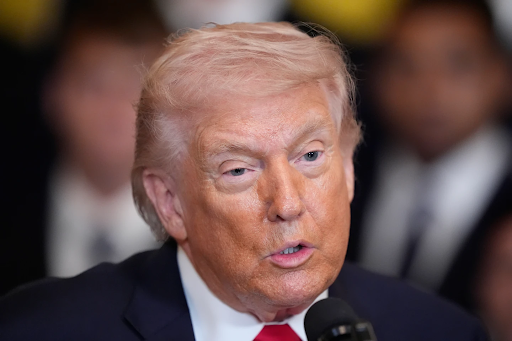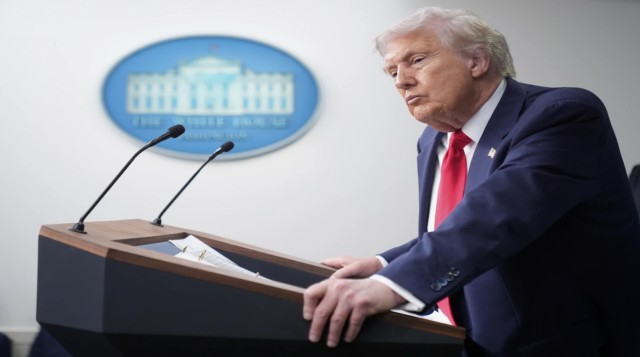
President Donald Trump listens to a question from a reporter in the James Brady Press briefing room at the White House, Monday, August 11,2025.
The Trump administration has released its latest human rights reports. The documents highlight poor rights records in several nations, including some that have agreed to accept U.S. deportees. At the same time, they remove or scale back sections on LGBTQ discrimination and reproductive rights.
The reports focus on free speech and the protection of unborn life. They also shed light on countries facing serious rights concerns, many of which now cooperate with the U.S. on migrant deportations.
The State Department described the reports as “streamlined” for easier use by diplomats and partners. These reports, mandated by Congress, are often used by lawmakers, policy experts, and asylum investigators to assess conditions abroad.
Delay and Major Changes Spark Criticism
Originally scheduled for March, the reports were delayed after the administration decided to “adjust” content compiled during the Biden era. Some sections, including survivor testimonies, were removed. The State Department said such accounts can be unreliable due to intimidation, fabrication, or political bias.
Human rights organizations have sharply criticized the omissions. Amnesty International accused the administration of “selective documentation” of abuses. The group noted the removal of entire sections, such as LGBTQ+ rights, and selective omissions in others.
Harsh Assessments for Deportee Host Countries
While Trump’s deportation agreements took effect after he assumed office, the reports detail rights conditions in countries now accepting non-citizen deportees.
El Salvador is the lone exception with a positive review. The report claimed “no credible reports of significant human rights abuses” in 2024 and said authorities took action against abusive officials. Rights groups, however, allege mistreatment, particularly in a notorious prison used for migrants.
In contrast, Eswatini, South Sudan, and Rwanda received severe criticism. The reports cite “arbitrary killings, torture, restrictions on free expression, bans on independent unions, and limits on worker rights.” None of the governments took credible action against abusive officials.
South Africa’s Treatment of White Afrikaners
South Africa’s human rights situation was described as “significantly worsening.” The report accused the government of unfair treatment toward white Afrikaners following new land reform laws. It said the reforms discriminate against racial minorities and enable abuses.
The Trump administration has voiced concern that these policies echo racial injustice, albeit targeting a former ruling minority. The report also noted inflammatory rhetoric and violence against racial minorities.
This year, the U.S. admitted some white Afrikaners as refugees.
European Allies Accused of Silencing Right-Wing Voices
The reports also take aim at close allies — the UK, France, and Germany — for alleged restrictions on right-wing political speech. They claim “serious restrictions on freedom of expression” through criminal or civil laws, alongside antisemitism-related threats or violence.
These governments have denied the allegations. They also reject claims made by Trump, Vice President JD Vance, and Secretary of State Marco Rubio.
Brazil Criticized Over Bolsonaro Prosecution
Brazil’s human rights record came under scrutiny for actions against former President Jair Bolsonaro and his supporters. The report accused Brazilian courts of undermining free speech and blocking access to major online platforms.
It said such measures limited democratic debate and targeted political opponents. In response to these actions, the U.S. imposed steep tariffs and sanctions against Brazil’s Supreme Court chief justice.
Continuing Criticism of Adversaries
Despite the changes in scope, the reports maintain strong condemnation of abuses in China, Iran, North Korea, and Russia. These sections follow past reporting patterns, focusing on political repression, media restrictions, and systemic rights violations.
The administration’s selective emphasis has fueled a heated debate — balancing national interest, political alignment, and universal human rights standards remains a contentious task.