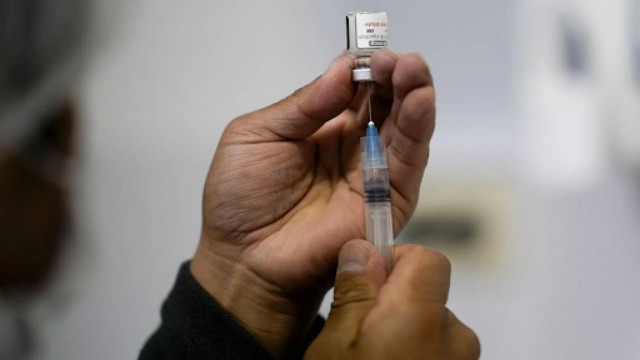
A medical worker gets a Pfizer COVID-19 vaccine ready for use in La Paz, Bolivia. (AP Photo/Juan Karita, File)
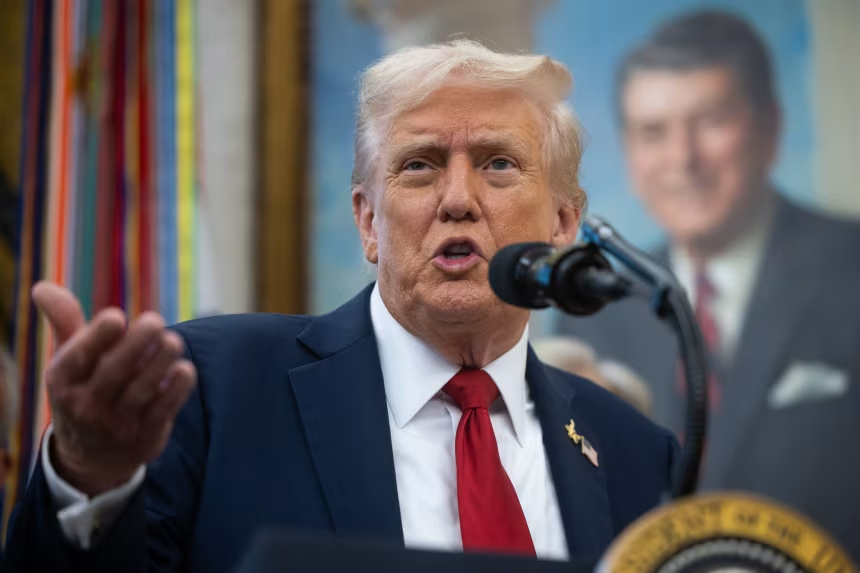
The Trump administration has turned to the U.S. Supreme Court in a high-profile attempt to revive nearly $783 million in research funding cuts. These cuts, proposed under former President Donald Trump, are part of a broader effort to scale back federal diversity, equity, and inclusion (DEI) programs.
On Thursday, the Justice Department asked the court to reverse a lower court ruling that blocked the National Institutes of Health (NIH) from cancelling funding for several ongoing research projects. The administration argues that the NIH should have the authority to reshape its spending priorities to reflect the former president’s policies.
The funding freeze was initially halted by U.S. District Judge William Young of Massachusetts. His decision came after multiple lawsuits were filed by public health groups, 16 state attorneys general, and scientists directly affected by the funding cuts. Young, who was appointed by former Republican President Ronald Reagan, criticized the Trump administration’s approach as discriminatory and abrupt.
At a recent hearing, Judge Young described the decision to eliminate certain programs as “racial discrimination and discrimination against America’s LGBTQ community.” He added, “I’ve never seen government racial discrimination like this.” His ruling has since been upheld by an appeals court.
While the court case covers only a portion of hundreds of NIH projects that have lost funding, it could set a major precedent for how future federal grant programs are administered.
The administration’s legal team, led by Solicitor General D. John Sauer, argued that Judge Young overstepped his role. In the petition to the Supreme Court, Sauer pointed to an earlier ruling by the high court in April. That 5-4 decision allowed the administration to move forward with cuts to teacher training programs, suggesting that trial courts should not handle such funding disputes.
According to Sauer, disputes over federal grant decisions should be taken up by the U.S. Court of Federal Claims, not regular district courts. He also questioned the legality of DEI programs, suggesting they might mask hidden forms of discrimination. In his filing, he wrote, “Diversity efforts often disguise harmful racial bias.”
This is not the first time the Trump administration has faced legal roadblocks over its attempts to dismantle DEI-related initiatives. But this case is especially significant because of the scale of the funding involved and its impact on scientific research across the country.
Critics argue that cutting such a large amount of funding not only jeopardizes years of scientific work but also undermines the country’s progress in making healthcare and research more inclusive. Supporters of the administration, however, claim that the previous funding priorities were overly focused on identity politics rather than scientific merit.
Now, it’s up to the Supreme Court to decide whether those cuts will be allowed. Their decision could have lasting effects on how the federal government balances scientific research with social policy.