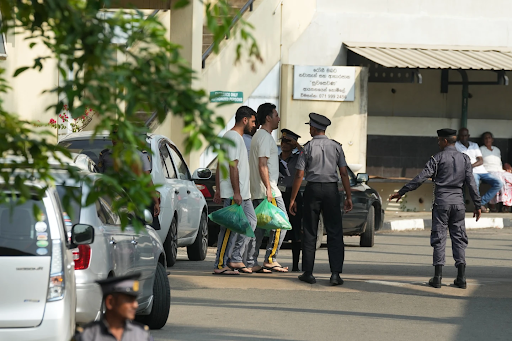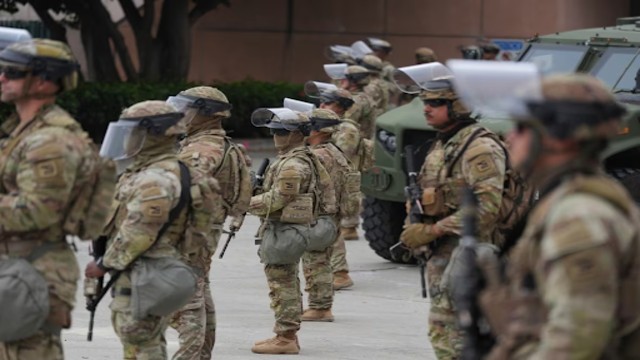
U.S. National Guard troops are deployed outside a federal prison in downtown Los Angeles on Sunday. AP Photo
Los Angeles is burning with tension — and federal troops are now in the middle of it. What started as citywide outrage over immigration raids has escalated into full-blown street clashes, lockdowns, and a political showdown between Donald Trump and California’s leaders.
In a dramatic and controversial move, Trump has deployed thousands of National Guard troops into L.A., bypassing the state’s authority and triggering outrage from local officials. The city is now the epicentre of a growing storm over law, order, and presidential power.
Immigration Raids Ignite a Citywide Uprising
It all began Friday when ICE agents launched aggressive immigration arrests in areas like the fashion district and outside a Home Depot. Videos of detained immigrants spread like wildfire, igniting protests in Compton, Paramount, and downtown Los Angeles.
Saturday saw massive crowds surrounding yet another Home Depot in anticipation of more raids. Though no arrests happened, the fear was enough. By Sunday, the protests had exploded.
Downtown turned volatile. Demonstrators flooded streets, chanting and clashing with officers in riot gear. Tear gas canisters flew. Protesters hurled stones and scooters. Self-driving cars burned, and the 101 Freeway was taken over.
More than 100 immigrants were detained. Dozens of protestors were arrested — including a well-known union figure accused of resisting federal agents.
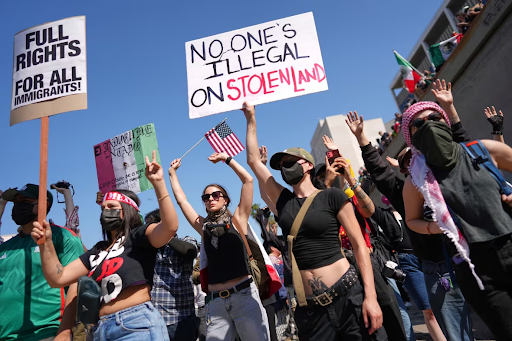
Protesters hold signs as they block the 101 freeway in Los Angeles on Sunday. AP Photo
Trump Sends Troops Without State Approval
Amid the growing unrest, Trump bypassed the usual process and activated Title 10, a federal law that lets the president send in National Guard troops without a governor’s request.
He authorized 2,000 troops for a 60-day deployment in Los Angeles County — with more forces possible. The move stunned California leaders.
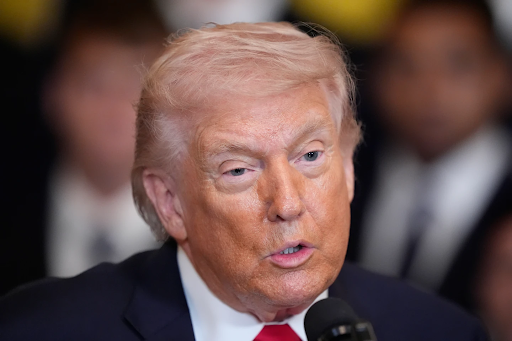
“We’re not going to let this happen to our country,” Trump told reporters. “We will restore law and order.”
But Governor Gavin Newsom wasn’t on board. He called it a “serious breach of state sovereignty.” Mayor Karen Bass echoed the sentiment: “This isn’t about safety. This is about politics.”
Trump doubled down on Truth Social, slamming Newsom and Bass for “failing their state” and promising to crack down on “RIOTS & LOOTERS.”
Smoke, Screams, and Soldiers in Downtown LA
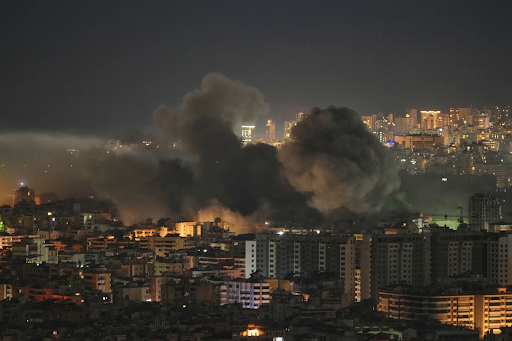
Sunday night brought chaos to downtown L.A. Protesters and troops faced off outside the Metropolitan Detention Centre. Slogans turned into scuffles. Police fired non-lethal rounds into the crowd.As protesters spilled onto the 101 Freeway, they hurled broken concrete, rocks, and even scooters at Highway Patrol officers. At least four Waymo cars were set ablaze. Smoke spiraled across the skyline. The city was placed under lockdown.
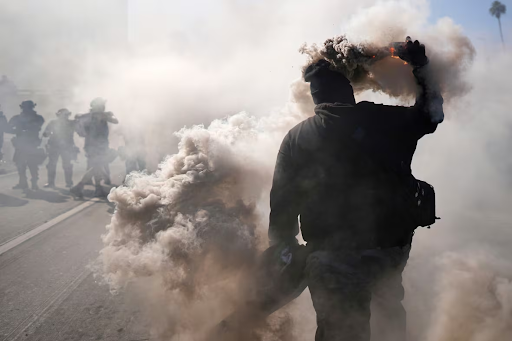
Los Angeles is facing its most intense civil unrest in years. AP Photo
What Is the National Guard Really Allowed to Do?
The National Guard, formed in 1903, is a military reserve force that usually responds to state disasters. But under federal command, the president can use it for national security and civil unrest.
These powers are rarely used. The last time federal troops were deployed in L.A. without a governor’s request was during the 1965 civil rights marches.
Critics say Trump’s use of the Guard is more about control than protection. Former Vice President Kamala Harris called the crackdown “calculated and cruel.”
L.A.’s Future Remains Uncertain
Despite growing backlash, the federal presence is here to stay — for now. Defense officials confirm additional Marines are on standby, ready to be deployed if violence escalates.
With no sign of compromise and the city still under lockdown, Los Angeles stands on the edge of a deeper crisis — caught between protests, politics, and power.