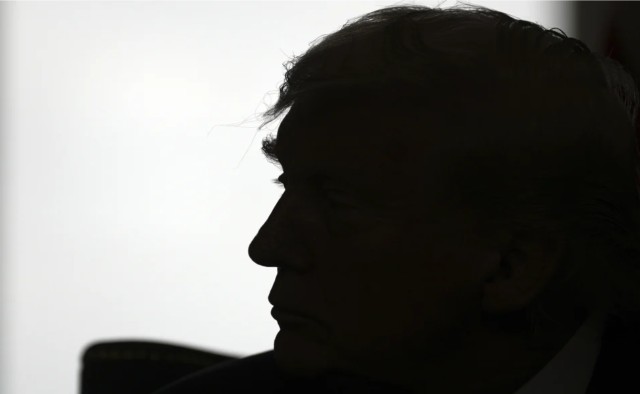
U.S. President Donald Trump talks to the media as he meets with British Prime Minister Keir Starmer at Trump Turnberry golf club in Turnberry, Scotland, Monday, July 28, 2025.
A week-long delay in President Donald Trump’s latest round of tariffs has added fresh uncertainty to an already turbulent global trade environment. Though Trump had promised sweeping changes to take effect this past Friday, the official start date for the tariffs has now been moved to August 7. This shift, announced late Thursday, leaves global markets, consumers, and businesses in suspense — again.
Surprise Delay Leaves Nations Scrambling
Trump's new tariffs target imports from 68 countries and the European Union. Originally set to begin immediately, the order now includes a seven-day delay. The reason? Officials say the tariff schedule still needs final tweaks.
For countries that haven’t reached deals with the U.S., this delay offers extra time — but also more confusion. Many are unsure about their rates, negotiation status, or how to respond. Trump insists these tariffs will rebuild U.S. wealth, attract factory jobs, and pressure nations to respect American trade demands. However, critics warn they could trigger inflation, dampen growth, and alienate allies.
Legal Challenges and Lingering Doubts
Even the legality of Trump’s tariffs remains uncertain. On Thursday, a U.S. appeals court questioned whether the president exceeded his power by invoking a 1977 law to declare a trade “emergency.” This allowed him to bypass Congress and unilaterally impose tariffs. The case may eventually reach the Supreme Court.
Meanwhile, Trump remained upbeat. “Tariffs are making America GREAT & RICH Again,” he posted on Truth Social. Yet economists argue the policy is vague and risky. “All we’ll know for sure is that import taxes will be historically high and complex,” said Scott Lincicome of the Cato Institute. “Everything else remains unclear.”
Global Trade Partners in Flux
The new tariff plan builds on April’s “Liberation Day” tariffs, which spooked markets and triggered recession fears. Back then, Trump paused tariffs for 90 days to negotiate. Since many deals didn’t materialize, he extended the timeline.
This time, rates vary widely. Swiss imports now face a 39% tariff, up from 31% in April. Liechtenstein’s rate dropped sharply from 37% to 15%. Countries not listed in the new order will face a base 10% tariff. Nations like the EU, Japan, South Korea, Indonesia, and the Philippines have brokered preliminary trade frameworks to ease the blow. Trump claims deals with other countries too, though he hasn’t disclosed them.

Vehicles for export are parked at a port in Pyeongtaek, South Korea, Thursday, July 31, 2025.
Tension Mounts as Tariff Clock Ticks
Thursday began with global tension. European officials awaited written confirmation of their new 15% tariff deal. Switzerland and Norway still had no clarity. Trump confirmed a 25% tariff on Mexican imports would remain for 90 more days following a phone call. Canada’s fentanyl-related tariffs jumped to 35%.
The tariff wave has strained diplomatic ties. Canadian Prime Minister Mark Carney voiced doubts about U.S. reliability. Trump, notably, refused to speak with him. Meanwhile, India’s 25% tariff — announced just a day earlier — may curb its chances of becoming a manufacturing alternative to China.
Tariffs Stir Corporate and Economic Worries
Big companies are already feeling the squeeze. Ford expects a $2 billion hit to annual earnings. French beauty brand Yon-Ka warned of job freezes, investment cuts, and price hikes. The Personal Consumption Expenditures index — a key inflation gauge — rose 2.6% in the year through June. Economists fear tariffs will drive this figure higher, sparking a cost-of-living crisis.
The Federal Reserve has paused interest rate cuts, citing inflation risks tied to tariffs. Trump lashed out at Fed Chair Jerome Powell, calling him a “TOTAL LOSER” online. Yet Powell expressed deeper concern over the global outlook.
“There are many uncertainties left to resolve,” Powell said. “It doesn’t feel like we’re close to the end of that process.”
Uncertainty Ahead for America and the World
Despite Trump’s promises, the U.S. has lost 14,000 manufacturing jobs since April. There’s little evidence that the tariffs will bring them back. Meanwhile, $127 billion has been collected in customs duties this year — a jump of $70 billion from 2024 — which the White House says will help cut deficits.
Still, uncertainty lingers. From delayed deals to legal challenges and rising inflation, Trump’s trade moves continue to reshape the global economy — but not without chaos.