The TMX Group logo appears in downtown Toronto. Photo credit: Paige Taylor White / The Canadian Press
Canada’s main stock index, the S&P/TSX Composite, ended slightly higher on Friday, lifted mainly by a surge in the real estate sector. The uptick came on a day when U.S. markets remained closed in celebration of Independence Day, giving the Canadian market some space to breathe.
The S&P/TSX index rose 1.90 points, settling at 27,036.16. Though the increase was minimal, experts say it signals positive momentum.
Brent Joyce, chief investment strategist at BMO Private Investment Counsel Inc., attributed the strength in real estate to growing confidence around interest rate cuts. He believes there’s a strong possibility that the U.S. Federal Reserve will lower rates in July—a move that typically benefits sectors like real estate.
“In the short term, real estate responds directly to interest rate trends,” Joyce said. “In Canada, this sector goes beyond residential properties—think about warehouses, logistics, and industrial sites.”
He also pointed out that recent signs of improvement in U.S.-Canada trade relations could give a much-needed lift to the commercial side of Canadian real estate.
TSX Breaks Through Key Level
Joyce highlighted that the TSX crossing the 27,000 mark is more than just a number—it’s a psychological milestone for investors.
“We’ve had 11 advances in the past 13 weeks,” he noted. “That kind of streak builds confidence and could push the index even higher.”
He predicted that the TSX might climb beyond 28,000 points before the year ends. This growth, he said, would likely be powered by both improving earnings and relatively fair stock valuations.
U.S. Markets Face a Different Path
While Canada shows upward momentum, U.S. markets may not follow the same path. Joyce said American stocks might struggle unless there’s strong earnings growth to support their high valuations.
There’s also some clarity now, following the U.S. House of Representatives’ approval of major tax and spending cuts. But uncertainty remains, especially around trade talks and tariff threats from President Donald Trump. One critical date investors are watching is July 9, the deadline for possible U.S. tariffs.
“Canada was once labelled as a trade enemy. Now, it seems like the two countries are trying to mend ties,” Joyce added.
If upcoming trade decisions turn out to be less damaging than expected, Canadian markets may respond positively.
Earnings Season Ahead, But With Fog
Joyce warned that third-quarter U.S. earnings might be clouded by recent trade tensions. Some companies could delay decisions, and markets might temporarily overlook weak earnings.
“Investors may focus more on future guidance than current numbers,” Joyce said.
Currency & Commodity Snapshot
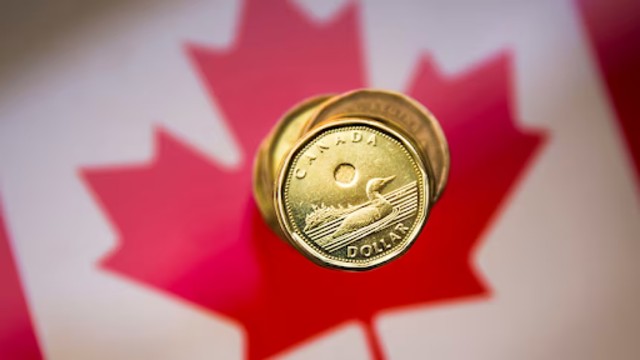
- The Canadian dollar slipped slightly to 73.50 cents US from 73.66.
- Oil prices fell by 50 cents, landing at US$66.50 per barrel.
- Gold gained US$3.60, closing at US$3,346.50 an ounce.
Please note: Commodity prices were not fully updated due to the U.S. holiday.