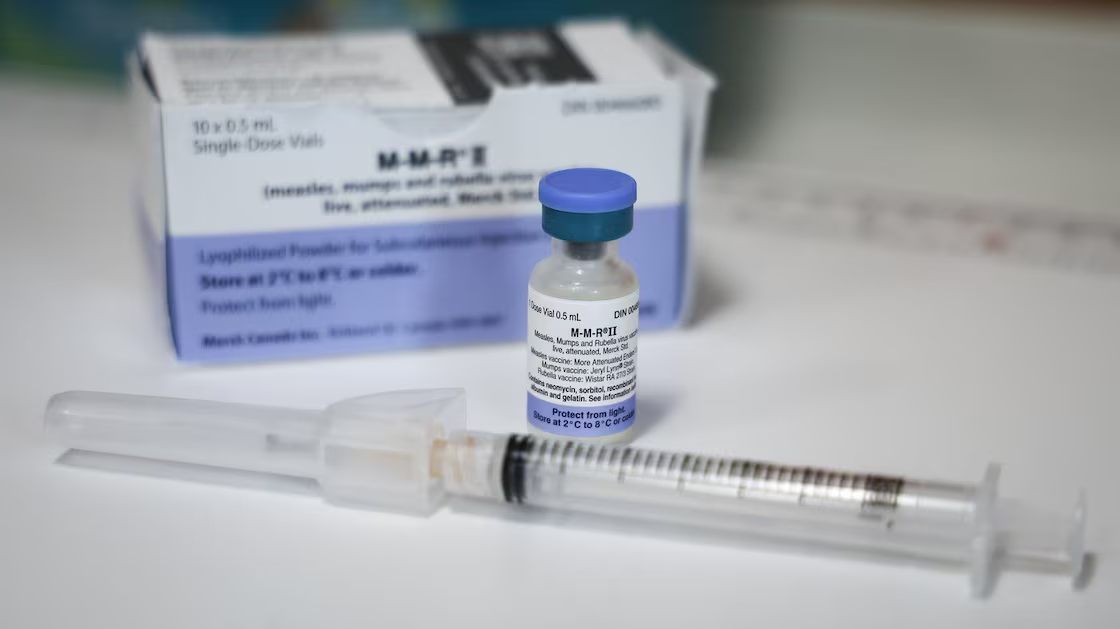
Tylenol pain-relief pills are shown in La Habra, Calif., Sept. 23, 2025. (AP Photo)
A new review of 43 studies has reinforced that taking Tylenol, also known as acetaminophen, during pregnancy does not increase the risk of autism, ADHD, or intellectual disabilities in children. The findings add to mounting evidence contradicting claims previously made by the Trump administration.
Tylenol and Pregnancy: What the Science Says
The study, published Friday in The Lancet Obstetrics, Gynecology & Women’s Health, emphasizes that Tylenol remains safe for expectant mothers. Lead author Dr. Asma Khalil, a fetal medicine specialist at St. George’s Hospital in London, said, “It remains … the first line of treatment that we would recommend if the pregnant woman has pain or fever.”
While some earlier studies suggested a possible link between acetaminophen use during pregnancy and neurodevelopmental disorders, the latest review points out that the most rigorous studies, particularly sibling-comparison research, show no causal relationship. These studies account for genetic and environmental factors that can otherwise skew results.
Trump’s Warning and the Controversy
In 2025, former President Donald Trump advised pregnant women against using Tylenol, claiming it could raise the risk of autism. Some of the administration’s communications cited a 2024 study in BMC Environmental Health that reported a potential association between prenatal acetaminophen exposure and neurodevelopmental disorders.
However, experts have criticized the interpretation of that research. Khalil explained that the studies cited by the White House were often small, prone to bias, and focused on associations rather than cause-and-effect. “The association is not seen when studies use the most robust methodologies,” she said.
Why Associations Can Be Misleading
Confounding factors can distort results in observational studies. For instance, a woman may take Tylenol to treat a fever, and the fever itself—not the medication—could slightly influence autism risk. Similarly, recall bias can occur if a mother inaccurately remembers her acetaminophen use after a child’s diagnosis.
Experts agree that genetics remain the most significant risk factor for autism. Other contributors include paternal age, preterm birth, and maternal health complications during pregnancy.
The Risks of Avoiding Pain Relief
Medical professionals warn against discouraging acetaminophen use for pregnant women. Untreated fever and infections can pose serious threats to both the mother and fetus. A commentary accompanying the new review notes that avoiding Tylenol could inadvertently harm fetal survival and neurodevelopment.
Dr. Khalil stressed, “Research cited in the public debate showing small associations between acetaminophen and autism is vulnerable to confounding factors. Pregnant women should not avoid using this safe and effective medication for pain or fever.”
The latest research confirms that Tylenol remains a trusted option for managing pain and fever during pregnancy. While discussions about potential risks continue, the scientific consensus is clear: acetaminophen does not cause autism, ADHD, or intellectual disabilities in children, and avoiding necessary treatment could be more harmful than helpful.