The shifting political mood between Canada and the U.S. is making some snowbirds reconsider their travel plans. CTV
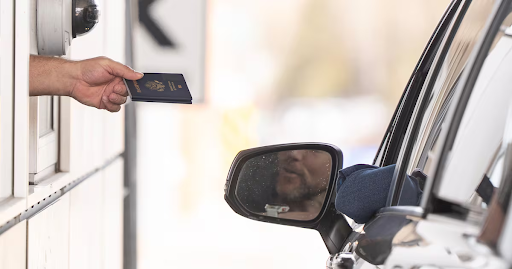
Angela and Leigh Faubert spent many winters travelling through the United States. Their trip on November 6, however, felt very different. They crossed at Aldergrove, B.C., expecting the usual questions. Instead, Leigh got pulled aside.
He walked into a small building for extra steps that caught him off guard. “I had to get fingerprinted, show my passport,” he said. He also paid a $30 fee and had his photo taken. “The picture was okay, but the fingerprinted thing was a little bit excessive,” he added.
Angela avoided the extra screening. She used her Secure Certificate of Indian Status card, which exempted her from the new requirements. “I was very surprised that I had no issue crossing with my SCIS card, and not my passport,” she said.
New Rules Under U.S. Executive Order
Canadians travelling to the U.S. now face additional steps. The rules follow an executive order signed on January 20, 2025, by President Donald Trump. The order, called Protecting the American People Against Invasion, adds stricter checks on foreign visitors.
Visitors staying more than 30 days must complete an I-94 form and register with U.S. Citizenship and Immigration Services upon entry. The rules took effect on December 26. They also require fingerprinting and photographs for most non-American travellers.
The new process has created confusion at many crossings. Angela said she felt nervous after hearing stories about Canadians being turned away. “It was a little intimidating getting to the border because of all the confusion,” she said.
Mixed Messages at the Border
Other travellers have experienced the same uncertainty. Owa Schlaikjar and Yvonne Fostey, who winter in Arizona, filled out their I-94 forms after advice from friends. They brought the documents to the border on November 18.
But the agent who greeted them seemed puzzled. “The customs officer said what are you flagging this paper around for,” Yvonne said. They explained that they thought the form was required. The officer then told them, “For next time, just call the port directly. It’s business as usual. You don’t need that form.”
Owa said he found the whole process frustrating. “This is the first time I’ve experienced paying money to get into the United States,” he said. “It was just basically a waste of time.”
He hopes other Canadians understand that rules may vary. “It leaves people in distress,” he said. “I want to spread the message that everything is normal.”
Lawyers Urge Canadians to Prepare
Toronto-based U.S.-Canadian attorney Ksenia Tchern McCallum said travellers should expect more questions. She advises people to carry key details: where they will stay, how long they plan to remain, and proof of ties back home.
“They just want to determine what you plan on doing in the States,” she said. She noted that every border officer may handle situations differently. “Yes, there is additional scrutiny, but if you are being honest and you have a plan in hand, you should not have any issues entering.”
Some Canadians Avoiding the U.S.
Not everyone feels comfortable travelling south this year. Eric Fagen and his family spent many winters RVing in Florida. This year, they decided to stay away. “We originally were planning on going back this year until the attacks on Canada from the current (U.S.) administration,” he said.
They will miss the friends they made over the years, but the tense political climate shifted their plans. Still, Fagen hopes to return someday. “We’re not totally divorcing ourselves from going into the U.S.,” he said.