A display showing the S&P/TSX Composite Index is seen inside the TMX Market Centre in downtown Toronto. (Photo: THE CANADIAN PRESS/Tijana Martin)
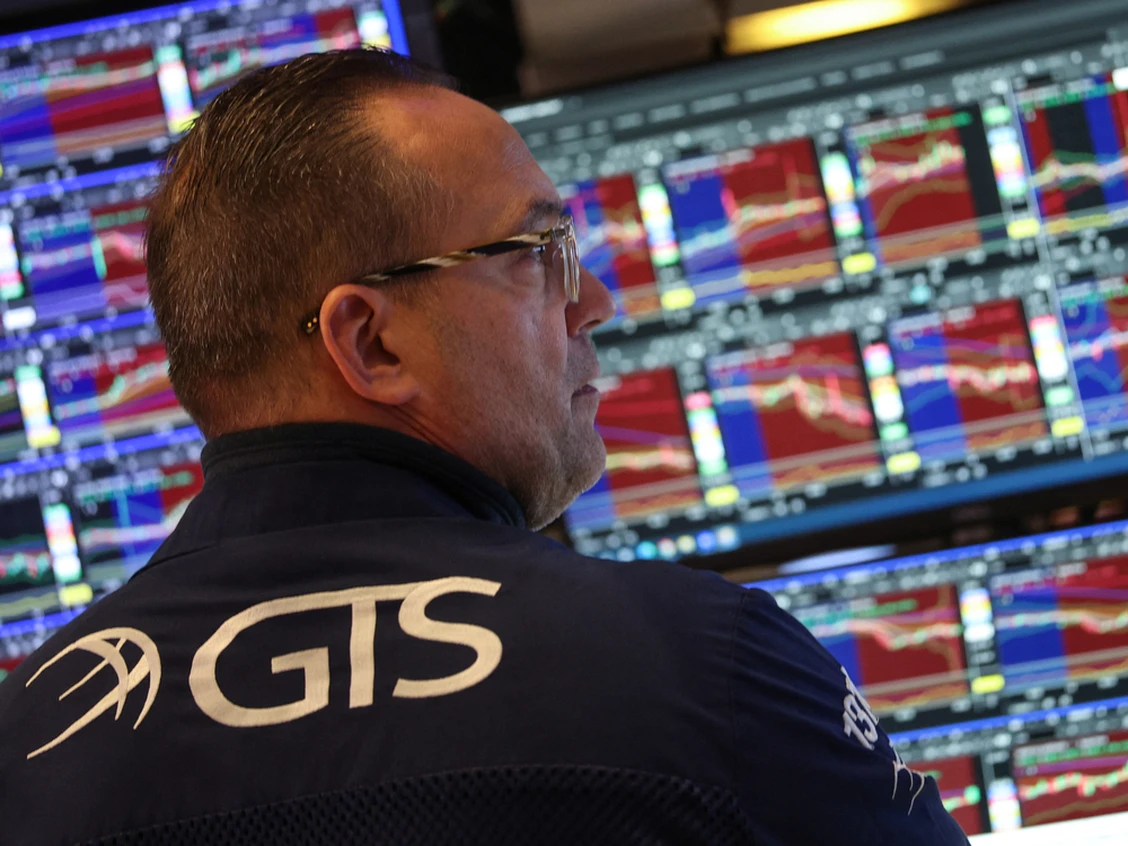
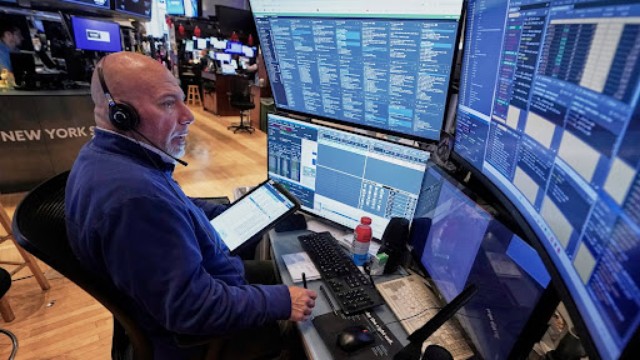
On Tuesday, most U.S. stocks dropped after new inflation data tempered Wall Street’s expectations for interest rate cuts. The S&P 500 slipped by 0.4%, with 90% of its listed companies in the red. Meanwhile, the Dow Jones Industrial Average fell by 436 points, or 1%, marking a tough day for most sectors.
However, the tech industry stood out as a bright spot. Thanks to a 4% surge in Nvidia’s stock, the Nasdaq composite inched up by 0.2%, hitting a fresh record high.
Rising Inflation Dampens Investor Hopes
A major factor behind the market’s fall was a government report showing U.S. inflation rose to 2.7% in June, up from 2.4% in May. That increase raised investor concerns about future interest rate cuts. Economists pointed to price hikes in clothing, toys, and other imported goods. Many suspect that these price increases are linked to proposed global tariffs by President Trump, aimed at pushing foreign countries to open up their markets to U.S. products.
Ellen Zentner, an economist with Morgan Stanley, said the new data suggests tariffs are starting to drive up consumer prices. Though the inflation rate was close to forecasts, analysts noted that a key measure used to predict long-term trends climbed less than expected, giving markets a glimmer of hope.
Bond Market Reacts as Fed Stays Cautious
The inflation data triggered fluctuations in Treasury yields, which finally settled higher. The 10-year Treasury yield rose to 4.48%, up from 4.43%, while the 2-year yield—which reflects investor expectations for Federal Reserve rate changes—increased to 3.95% from 3.90%.
The Fed has been cautious about cutting rates too quickly, especially if inflation continues to rise. Lower interest rates can stimulate the economy, but also risk fueling inflation further. Jerome Powell, the Fed Chair, has made it clear he wants more data before acting. Even so, many traders still believe the Fed will cut rates later this year, but expectations for multiple cuts have decreased.
Tariff Tensions Add to Market Jitters
Adding to the uncertainty, Trump’s global tariff plans could significantly impact inflation and economic growth. On Tuesday, he announced a new trade deal with Indonesia, which agreed to buy American energy, farm products, and airplanes. In return, Trump lowered the tariff rate on Indonesian imports from a threatened 32% to 19%.
Still, many on Wall Street remain unsure whether Trump will follow through with all his proposed tariffs or ease off if the economic strain becomes too severe.
Tech Gains, Bank Earnings Mixed
Despite the broader market downturn, tech stocks surged. Nvidia, in particular, gained after the U.S. government confirmed it would allow licenses for the company’s H20 chip, used in AI development. Earlier restrictions on these chips had hit Nvidia’s earnings hard, so this news lifted investor confidence.
Meanwhile, bank stocks were a mixed bag. JPMorgan Chase dipped 0.7%, despite beating profit expectations, after CEO Jamie Dimon warned of looming economic threats. Citigroup climbed 3.7% on solid earnings, while Wells Fargo dropped 5.5% after cutting its income forecast.
Global Markets Also Feel the Strain
Markets outside the U.S. were also shaky. European stocks fell, and Asian indexes showed mixed results. Hong Kong’s market rose by 1.6%, while Shanghai’s fell by 0.4% after China reported slightly slower economic growth, a sign that it’s also feeling the pressure from U.S. tariffs.
Market Summary:
- S&P 500: fell 24.80 points to 6,243.76
- Dow Jones: dropped 436.36 points to 44,023.29
- Nasdaq: rose 37.47 points to 20,677.80