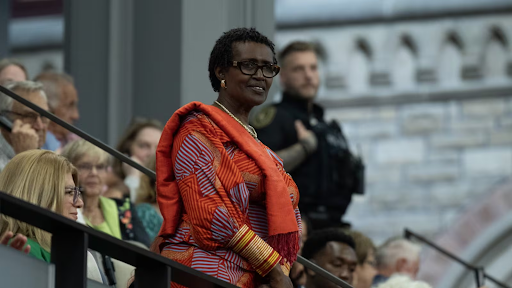
UNAIDS executive director Winnie Byanyima stands as the House of Commons Speaker acknowledges her after the Question Period on Parliament Hill in Ottawa on Monday, Sept. 15, 2025. The Canadian Press
The head of the United Nations’ HIV/AIDS program is urging Prime Minister Mark Carney to rethink planned cuts to foreign aid and global health funding. UNAIDS executive director Winnie Byanyima shared her concerns during the G20 leaders’ summit in Johannesburg. She asked Carney to keep Canada’s long-standing support for international health programs strong.
“My message to Prime Minister Carney, to Canada, and to all the other donors is, stay the course,” she said. Byanyima warned that shrinking global support will deepen inequality and create greater risks for all countries. “Without global solidarity, the inequality between countries will continue to widen. We will live in a more dangerous world as these inequalities increase.”
Funding Cut Sparks Concern
Canada recently announced its first-ever cut to the Global Fund, a key program that supports the fight against AIDS, tuberculosis, and malaria. The new pledge is 17 per cent lower than the contribution made in 2022. The fund supplies mosquito nets, HIV medication, and other tools used to slow the spread of infectious diseases.
The decision followed a federal budget that outlined $2.7 billion in foreign aid reductions over four years. It also came after Carney said during the spring election campaign that his government would “not cut foreign aid.” The government now says the cuts return spending to pre-pandemic levels.
Canada increased spending during the pandemic to help restore progress stalled by COVID-19. Officials also point out that other donors, including the United States, have cut funding this year.
Inequality at the Heart of Global Debate
Byanyima attended the G20 summit to present a report on growing economic inequality. The report warns that widening gaps within and between countries fuel frustration, weaken political unity, and create greater risks of conflict. It calls on governments to support fairer domestic policies and help developing nations break free from heavy debt loads. Those debts worsen as interest rates rise and climate disasters become more frequent.
She pointed to Norway as an example. Norwegian Prime Minister Jonas Gahr Støre said his country gained more economic value from gender equality over several decades than from oil revenue. “When we reduce inequality between countries and within countries, we actually have stronger economies,” Byanyima said.
She also urged Canada to support global efforts to tackle tax evasion, noting that revenue lost to hidden wealth weakens public services worldwide.
Carney Defends the Government’s Decision
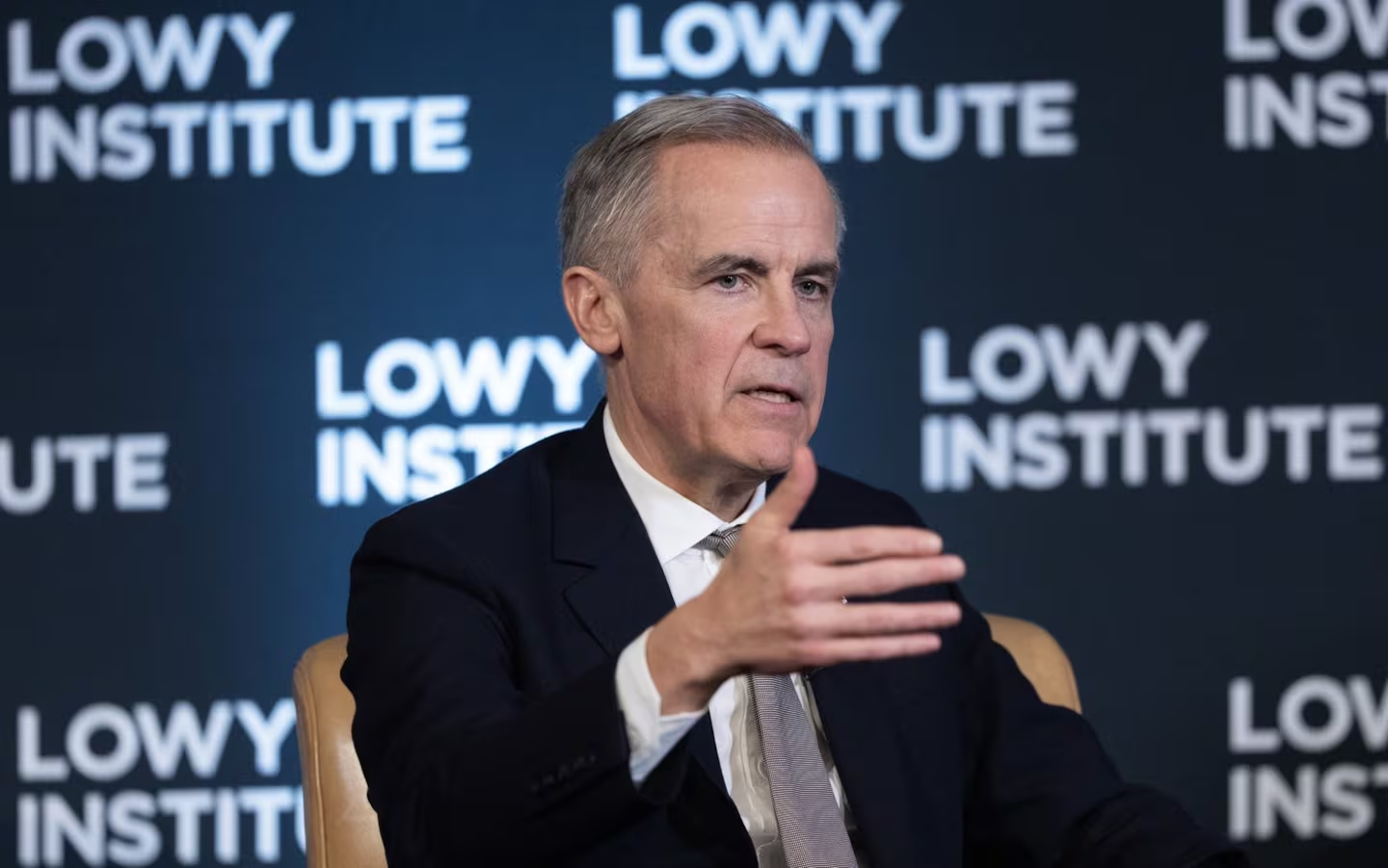
When asked about the cuts in Johannesburg, Carney said Canada’s share of the fund has actually increased because the fund’s total pool has shrunk. He said the government must make “pragmatic, responsible decisions” and return aid spending to pre-pandemic levels.
Foreign Affairs Minister Anita Anand echoed that message. “Canada’s contribution is still meaningful. It is still material. It is still significant,” she said. She noted that Africa remains the largest recipient of Canadian development funding.
Bloc Québécois MP Alexis Brunelle-Duceppe called the shift “worrying” and said the government now links aid too closely with trade priorities.
Advocates Warn of Global Consequences
The funding debate comes just ahead of World AIDS Day. Many advocates say the world has the tools to end the HIV pandemic but lacks the resources to deliver treatment widely.
Indian economist Jayati Ghosh, who co-presented the inequality report, said Canada must support efforts to let developing countries produce essential medicines. She argued that strict patent rules often keep poor nations from making affordable treatments. She said this became clear during COVID-19, when many developing countries waited months for vaccines while being blocked from producing their own.