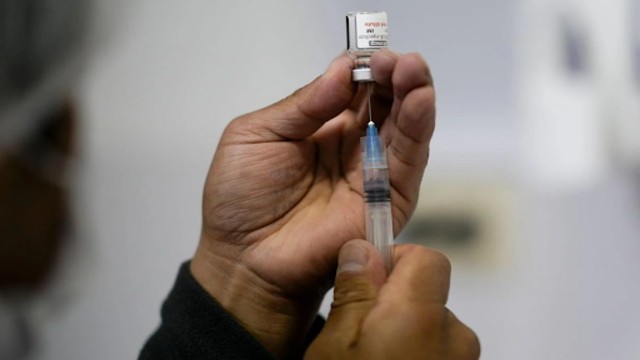
A healthcare worker prepares a shot of the Pfizer COVID-19 vaccine in La Paz, Bolivia, Jan. 7, 2025. (AP Photo)
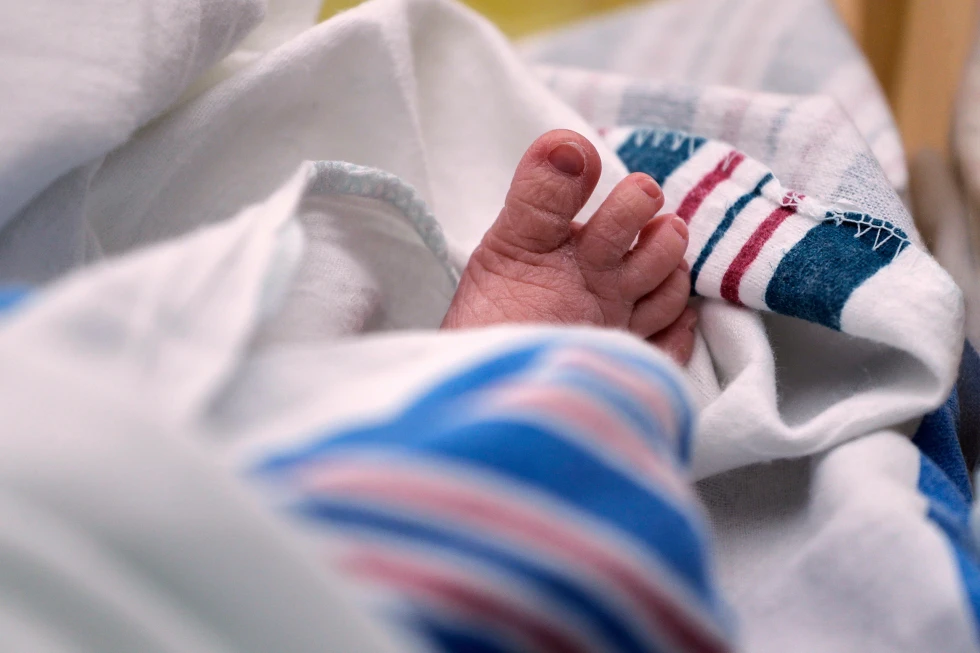
More than 14 million children around the world didn’t receive a single vaccine in 2024, according to new data from the World Health Organization (WHO) and UNICEF. Released this week, the report highlights growing global challenges in vaccine coverage—and sounds the alarm on what lies ahead if action stalls.
Worrying Numbers, Little Change
For the second year in a row, the number of completely unvaccinated children has remained around 14 million. Most of these children live in just nine countries: Nigeria, India, Sudan, Congo, Ethiopia, Indonesia, Yemen, Afghanistan, and Angola. Together, they account for over half of all unprotected kids globally.
WHO and UNICEF estimate that 89% of babies under age one received at least a first dose of the diphtheria, tetanus, and whooping cough vaccine (DTP1) in 2024. That’s the same as the year before. But only 85% completed the full three-dose series—just a small improvement from 84% in 2023.
Funding Collapse Threatens Progress
Health officials are concerned that progress could slow further—or even reverse—due to a collapse in international aid. Earlier this year, U.S. President Donald Trump pulled the United States out of WHO and froze most humanitarian aid. The country also moved to shut down its USAID agency.
More recently, U.S. Health Secretary Robert F. Kennedy Jr. announced a halt to billions in funding previously pledged to Gavi, the vaccines alliance. Kennedy criticized the organization, accusing it of “ignoring the science,” despite overwhelming evidence proving the safety and effectiveness of routine vaccines.
His remarks reflect his long-standing skepticism about vaccines, including the DTP shot, which has been widely used for decades and is credited with saving millions of lives.
Measles on the Rise, Vaccines on Low
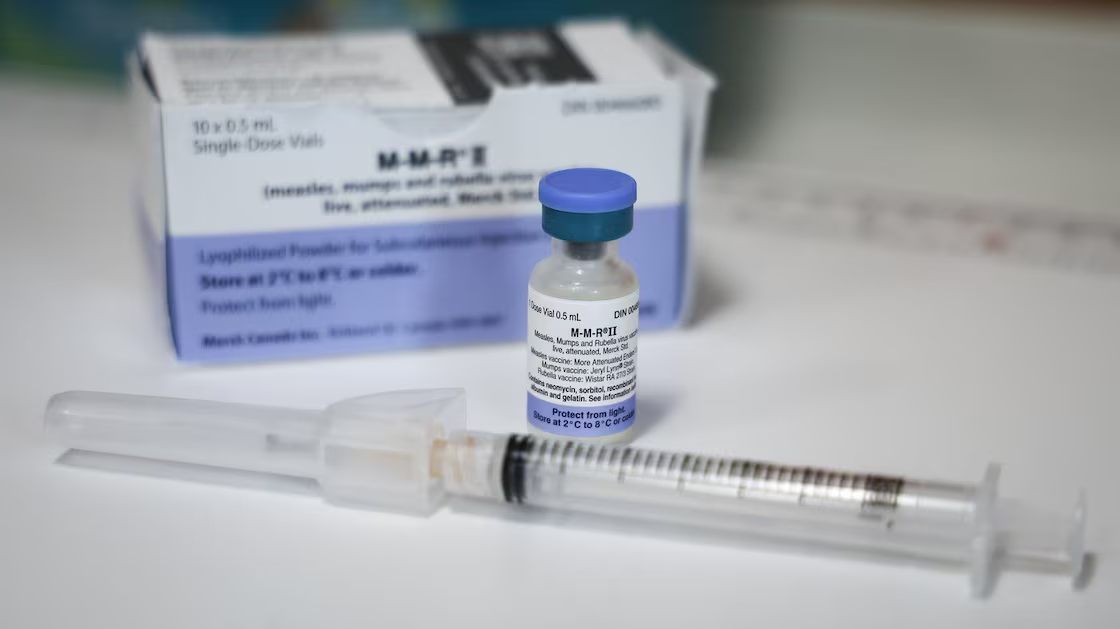
While DTP coverage held steady, measles vaccination rates are still far below what’s needed. In 2024, 76% of children received both recommended doses of the measles vaccine—a slight rise from the year before, but still well below the 95% target required to prevent outbreaks.
That gap is already showing its consequences. Measles cases have doubled in Europe over the past year, with 125,000 cases recorded. The U.S. is facing its worst measles outbreak in over 30 years. In the U.K., a child recently died of measles at a Liverpool hospital, despite national efforts to boost vaccination.
Only 84% of children in the U.K. are currently protected against the virus.
“It is hugely concerning, but not at all surprising, that we are continuing to see outbreaks of measles,” said Helen Bradford, a professor of children’s health at University College London. “The only way to stop measles spreading is with vaccination,” she added. “It’s never too late—even for adults.”
Inequality, Conflict, and Misinformation
WHO Director-General Tedros Adhanom Ghebreyesus warned that a mix of funding cuts and vaccine misinformation is threatening decades of health gains. He also stressed that access to vaccines remains highly unequal around the world.
Conflict zones are especially vulnerable. Sudan, which is facing severe unrest, reported the lowest DTP coverage worldwide.
With rising humanitarian crises, falling aid, and persistent myths about vaccine safety, experts say the path forward is more fragile than ever.
The message from the UN is clear: without urgent and sustained action, millions more children could be left behind—and preventable diseases will continue to make a deadly comeback.