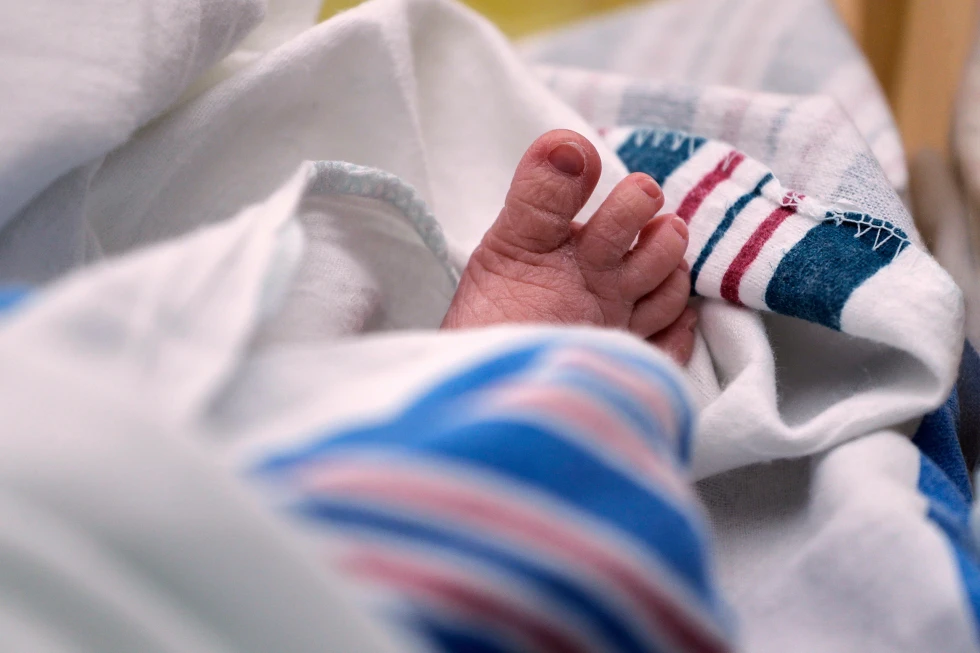
Syringes with Pfizer COVID-19 vaccine shots for children aged 6 months to 4 years old at a University of Washington Medical Center clinic in Seattle, on June 21, 2022. (AP Photo)
Recent shifts in U.S. recommendations for COVID-19 vaccination in young children are unlikely to change vaccination trends in Canada. Experts say Canadian guidelines remain evidence-based and tailored to local needs.
This week, the American Academy of Pediatrics (AAP) released guidance urging COVID-19 vaccines for all children aged six months to 23 months. The AAP also recommended a single dose for children aged two through 18 years at high risk of severe COVID-19. These recommendations differ from the U.S. Centers for Disease Control and Prevention (CDC), which currently advises parents to discuss vaccination benefits with healthcare providers, rather than recommending it universally.
“It differs from the CDC’s recent guidance, which has faced criticism for being influenced by misinformation,” the AAP stated.
Canadian Experts Say No Direct Impact
Dr. Karina Top, a pediatric infectious disease specialist at Edmonton’s Stollery Children’s Hospital and a professor at the University of Alberta, says Canada’s vaccination approach will remain independent of U.S. decisions.
“When COVID-19 vaccines first became available in 2021, both countries recommended them for children aged 12 and older,” Top explained. “Later, eligibility extended to ages five to 11 and then under five.”
Canada’s National Advisory Committee on Immunization (NACI) provides the framework for vaccine programs across the country. In January 2025, the Public Health Agency of Canada (PHAC) published guidance summarizing evidence-based recommendations for provinces and territories.
Recommendations for High-Risk and Other Children
Currently, NACI strongly recommends vaccination for children six months or older who are at higher risk of severe COVID-19, including those who are immunocompromised or have chronic lung disease. For other children, vaccination may be considered based on a discussion with a healthcare provider, but it is not universally required.
“That approach is similar to the U.S.’s shared decision-making model,” Top said.
Top noted that most children have now either been vaccinated or previously infected, making COVID-19 less severe in healthy youth compared with adults. She added that COVID-19 is generally less serious in children than seasonal influenza, which is widely recommended for everyone six months and older.
Dosing Guidance for Canadian Children
PHAC currently recommends one COVID-19 vaccine dose per year for most previously vaccinated children. High-risk children may receive two doses annually. Unvaccinated children aged six months to under five years should get two doses spaced eight weeks apart, with a shorter interval of four to eight weeks for immunocompromised kids. Unvaccinated children over five years receive one dose, and high-risk children may require two doses or more depending on health conditions.
Top emphasized that Canada’s guidance aligns closely with policies in the U.K. and Australia, which also do not universally recommend vaccination for all children.
“In the U.S., the process was unusual,” she said, noting recent changes were implemented without consulting the Advisory Committee on Immunization Practices. The move came after U.S. Health Secretary Robert F. Kennedy Jr. appointed eight new vaccine policy advisers, including critics of COVID-19 vaccines and lockdowns.
Vaccine Uptake Still Low
Top observed lower COVID-19 vaccine uptake among young Canadian children, even among high-risk groups. She urges parents of children with chronic health conditions to consult healthcare providers about potential benefits of vaccination.
“Parents should discuss whether their child could benefit from the COVID-19 vaccine and how to receive it safely,” she said.