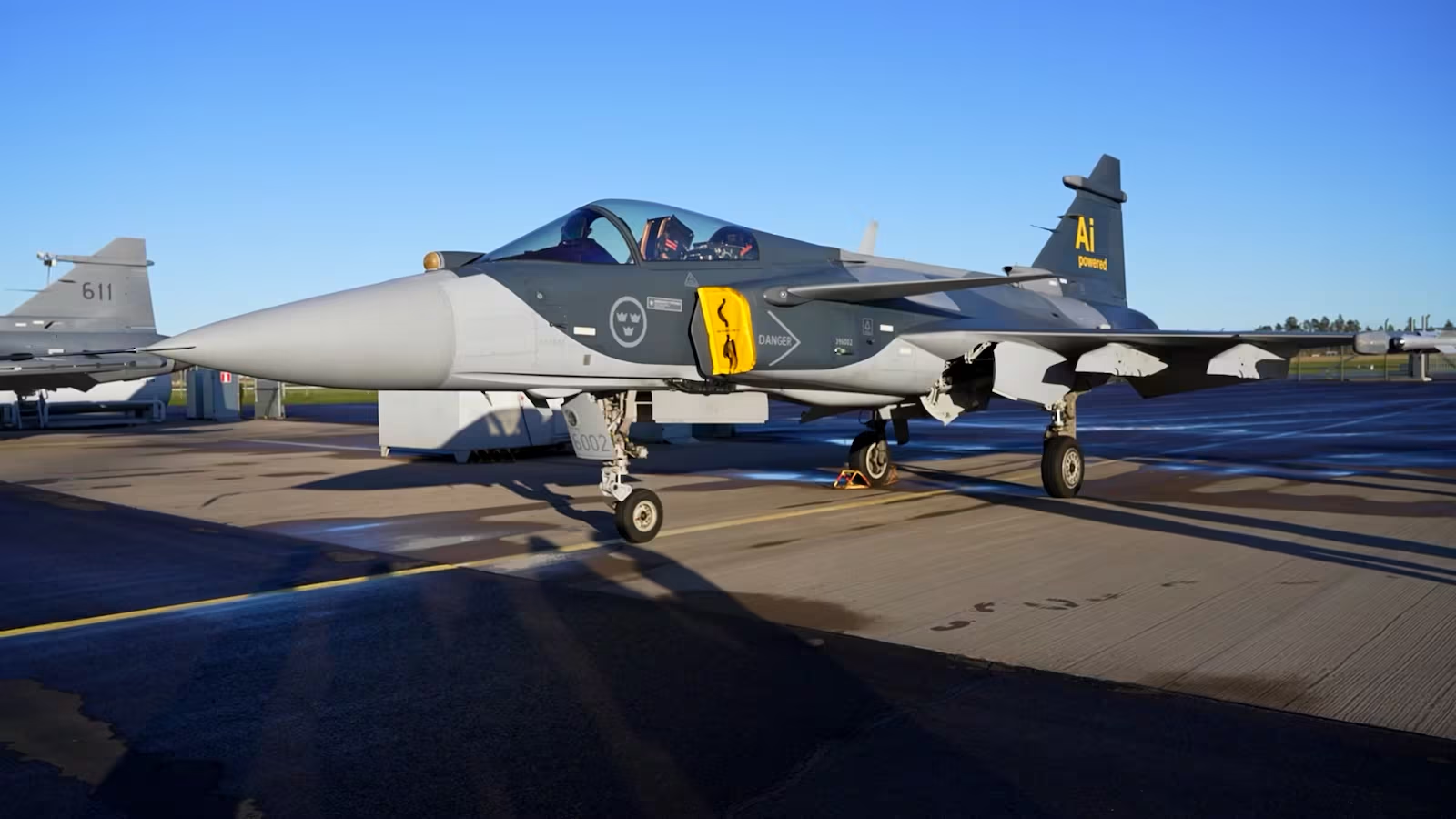
Officials say a U.S. military aircraft made to look like a civilian plane carried out the first strike on a suspected drug boat in the Caribbean last year. Getty Images
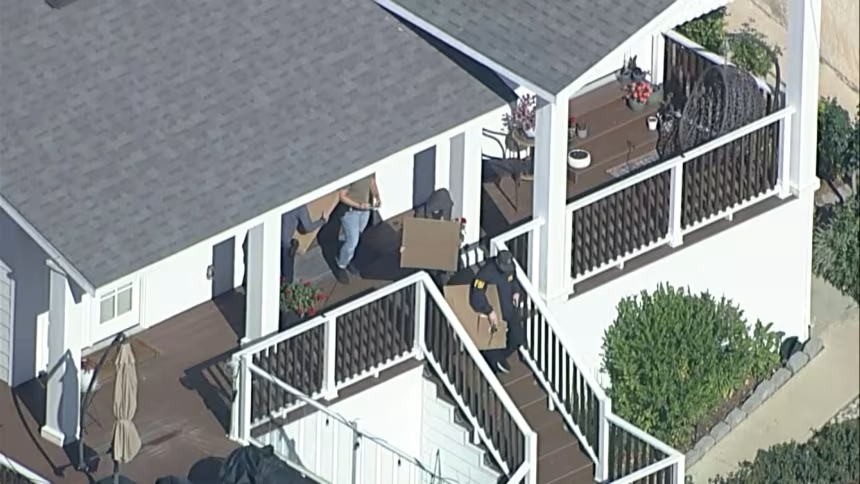
A new report claims the United States military used an aircraft disguised as a civilian plane during its first air strike against an alleged drug boat in the Caribbean last September. The aircraft reportedly lacked visible weapons and carried no clear military markings, raising serious questions about whether the operation followed international rules of war.
Officials familiar with the mission said the aircraft blended in with civilian traffic. The strike marked the start of a broader and controversial air campaign across the region during the administration of Donald Trump.
Legal Experts Sound the Alarm
Retired Major General Steven J. Lepper, a former senior legal officer in the U.S. Air Force, said the tactic could fall under “perfidy,” a serious violation of the laws of war. Perfidy involves pretending to be a civilian in order to carry out a military attack.
“Shielding your identity is an element of perfidy,” he said. “If the aircraft flying above is not identifiable as a combatant aircraft, it should not be engaged in combatant activity.”
International law requires military forces to clearly identify themselves during combat to protect civilians and prevent confusion during armed conflict.
Pentagon Defends Its Practices
In response to questions about the report, the Pentagon defended its approach. Officials said the military uses many types of aircraft depending on the mission.
“The U.S. military utilizes a wide array of standard and nonstandard aircraft depending on mission requirements,” the statement said. It added that every aircraft goes through a strict approval process to ensure it follows domestic law, department rules, and international standards, including the law of armed conflict.
Deadly Strike Remains Controversial
The strike on Sept. 2 killed 11 people and drew criticism soon after it occurred. Reports later revealed that military forces targeted two survivors who clung to wreckage after the initial attack. Critics said that decision may also have crossed legal lines.
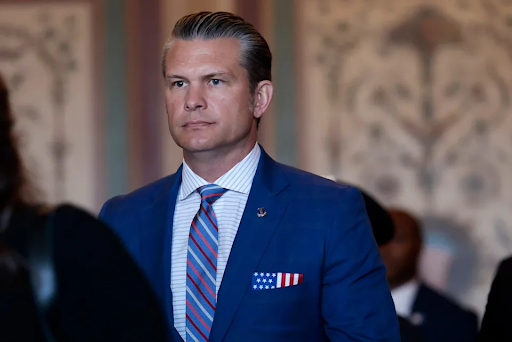
Officials said Pete Hegseth did not directly order the second strike. Instead, a Navy admiral approved it under general instructions. Hegseth later said he supported the decision and would have made the same call himself.
In December, Hegseth said the military would not release unedited video footage of the strike, despite growing public pressure.
Broader Campaign Under Scrutiny
The administration has faced ongoing criticism over the legal basis for the entire air campaign. Human rights advocates argue the strikes amount to unlawful killings carried out far from any declared war zone. The military insists the United States remains in an “armed conflict” with international drug groups.
So far, the campaign has resulted in at least 123 deaths across 35 air strikes. The military has shared limited details about how it identifies targets or confirms their ties to drug trafficking.
Operation Sparks Political Pushback
The campaign entered a new phase earlier this month when U.S. forces moved into Venezuela and captured its leader, Nicolas Maduro. Lawmakers said they received no advance notice of the operation.
Last week, senators from both parties voted to block further military action in or against Venezuela unless Congress grants approval.