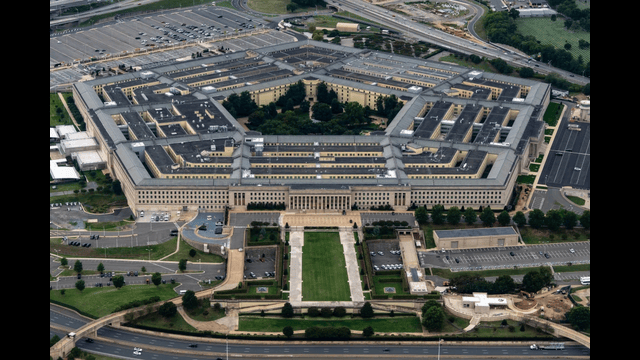
The Pentagon, the headquarters for the U.S. Department of Defence, is seen from the air, Sept. 20, 2025, in Arlington, Va
The US military intensified its anti-trafficking campaign this week after launching fresh drug boat strikes across Latin American waters. Officials said three suspected smuggling vessels were destroyed Monday, leaving eleven people dead. The attacks form part of a wider security push ordered during President Donald Trump’s administration.
New Wave of Drug Boat Strikes Reported
According to U.S. Southern Command, the coordinated drug boat strikes targeted suspected trafficking routes. Two vessels carrying four people each were hit in the eastern Pacific Ocean. Another smaller boat with three people was struck in the Caribbean Sea.
Military officials described the targets as suspected narcotics smugglers using known maritime corridors. However, authorities did not release public evidence confirming the boats carried illegal drugs. The command instead shared short operational videos on social media platforms.
Videos Show Final Moments Before Explosions
The released footage shows small open boats moving slowly through open waters. In some clips, individuals appear seated inside the vessels before sudden explosions erupt. Flames quickly engulf the boats as they break apart.
Officials say such visuals demonstrate operational success against maritime trafficking networks. Critics, however, argue the recordings raise serious humanitarian concerns about identification procedures and civilian risk.
Death Toll Rises Across Ongoing Campaign
Monday’s operation marked one of the deadliest single days in the continuing maritime crackdown. The latest casualties push the total deaths to at least 145 people. The broader campaign has run since early September.
The administration has repeatedly described the targeted groups as “narcoterrorists.” Officials claim the operations aim to weaken supply chains feeding illegal drugs into the United States. Maritime patrols and surveillance missions have expanded steadily during the campaign.
Trump Frames Conflict as Security War
President Trump has publicly framed the anti-cartel strategy as an armed conflict. He argues strong military force is necessary to disrupt international drug trafficking networks. The administration says maritime strikes reduce cartel mobility and limit transport routes.
Supporters in Congress largely back the policy as a national security measure. They believe aggressive enforcement discourages organized smuggling operations. Some lawmakers also argue the strategy signals strong regional leadership.
Critics Question Legal Basis and Impact
Opponents continue challenging both the legality and practical effectiveness of the strikes. Analysts note that much fentanyl entering the United States travels overland through Mexico. The drug is often manufactured there using chemical imports from Asia.
Legal experts also highlight earlier controversy involving a previous maritime attack. Reports indicated survivors from an initial strike were later killed in a follow-up operation. Administration officials defended the action as lawful under conflict rules.
Democratic lawmakers and several international observers strongly disagreed with that interpretation. Some described the killings as unlawful or potentially war crimes. The dispute intensified scrutiny over rules governing the ongoing maritime campaign.
Military Presence Expands Across Region
The maritime operations form part of a broader U.S. military buildup in Latin America. The deployment expanded significantly during pressure efforts against Venezuela’s leadership. American forces captured former Venezuelan president Nicolás Maduro in a January raid.
He was transferred to the United States to face drug trafficking charges. Since that operation, U.S. forces have continued targeting networks tied to Venezuelan oil and shipping.
Naval Assets Shift Toward Middle East
While the anti-trafficking mission continues, some major naval assets are relocating. The aircraft carrier USS Gerald R. Ford recently departed Southern Command’s operational zone. It is now heading toward the Middle East amid rising tensions with Iran.
The carrier will reinforce regional naval forces already deployed there. These include the aircraft carrier USS Abraham Lincoln and supporting destroyer groups.
Political Debate Over Future Operations
Despite growing criticism, congressional Republicans have blocked attempts to restrict further military strikes. Democratic proposals sought tighter approval rules for expanded operations in Venezuela and surrounding regions. Those measures failed to pass.
For now, the maritime drug boat strikes remain an active component of U.S. regional strategy. Officials say operations will continue as long as trafficking threats persist.