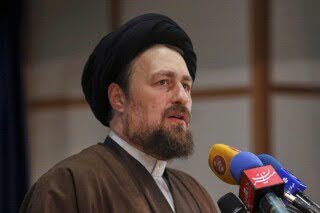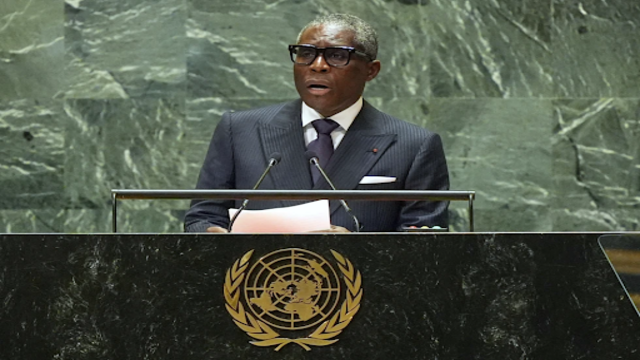
Vice President of Equatorial Guinea, Teodoro Nguema Obiang Mangue, addresses the 79th session of the United Nations General Assembly, Sept. 26, 2024, at U.N. headquarters. Associated Press
The United States is preparing to ease restrictions on Equatorial Guinea’s vice president, Teodoro “Teddy” Nguema Obiang, allowing him temporary access to American cities despite long-standing corruption allegations.
Two U.S. officials confirmed that the State Department is processing a one-month sanctions waiver. This move comes ahead of the U.N. General Assembly in New York and includes permission for Obiang to travel to other cities such as Miami and Los Angeles.
Officials say the decision is driven by national interest, particularly the need to counter Chinese and Russian influence in Equatorial Guinea while protecting U.S. oil and gas investments.
Lavish Lifestyle Amid Corruption Allegations
Obiang, son of President Teodoro Obiang Nguema Mbasogo, has faced accusations of corruption for years. His reputation is marked by extravagant spending on superyachts, luxury cars, and mansions.
In 2017, a French court convicted him of embezzling millions of euros. He received a suspended three-year sentence, a €30 million fine, and was forced to forfeit luxury assets in France.
In 2014, he reached a settlement with the U.S., surrendering over $30 million in assets, including a Malibu mansion and rare Michael Jackson memorabilia. U.S. prosecutors described his wealth as proceeds of corruption and extortion.
More recently, South Africa seized two of his villas and a superyacht after a lawsuit accused Equatorial Guinea of unlawful arrest and torture.
Poverty Persists in an Oil-Rich Nation
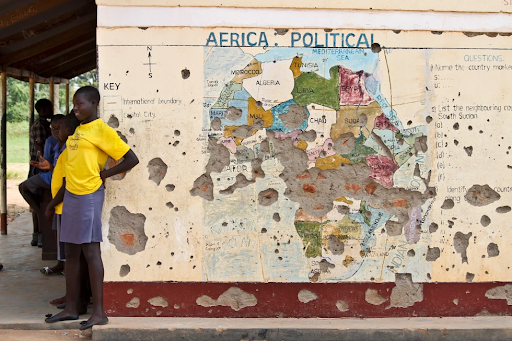
Equatorial Guinea is one of Africa’s largest oil producers, yet nearly 70% of its two million citizens live in poverty. Critics accuse the ruling elite of diverting state resources for personal enrichment while ordinary citizens struggle with basic needs.
President Teodoro Obiang, in power since 1979, is Africa’s longest-serving leader. His government has repeatedly been accused of authoritarian rule and systemic corruption.
US Balances Sanctions with Strategy
Despite corruption sanctions, the U.S. is softening restrictions to strengthen ties with Equatorial Guinea. Washington fears that China’s plan to build a naval base in the country could shift the balance of power in the Atlantic.
A Chinese base there would be its first on the Atlantic Ocean and its second in Africa, following Djibouti. Officials argue that granting Obiang temporary freedom of movement could maintain goodwill and secure American interests.
Russia is also expanding its presence in the region, another concern for Washington. U.S. officials believe closer engagement with Equatorial Guinea could help counter these rival influences.
A Double Standard in US Visa Policy?
The move has drawn criticism because it contrasts with Washington’s recent visa crackdowns. The administration has denied or revoked visas for Palestinian Authority leaders, restricted delegations from Iran and Brazil, and tightened conditions for foreign students.
By comparison, easing travel restrictions for Obiang — widely seen as one of the world’s most corrupt leaders — raises questions about double standards in U.S. foreign policy.
Reactions and Silence
The State Department declined to comment on the waiver. Equatorial Guinea’s presidency, embassy, and U.N. mission also remained silent.
Obiang has previously expressed frustration at visa restrictions that limited his travel to New York during U.N. events. The new waiver, officials say, aims to reduce tensions and prevent further strain in bilateral relations.
Meanwhile, corruption sanctions remain in place against other global leaders, including Venezuelan President Nicolás Maduro. But the decision to grant Obiang broader access highlights the competing interests of U.S. foreign policy — balancing values with strategic necessity.