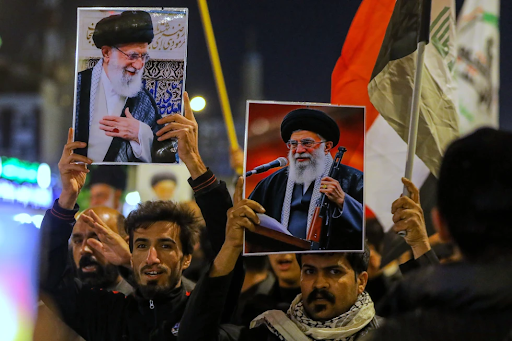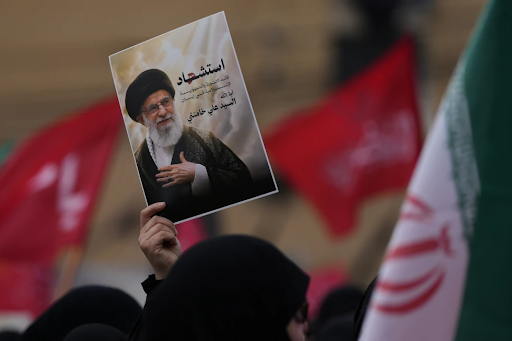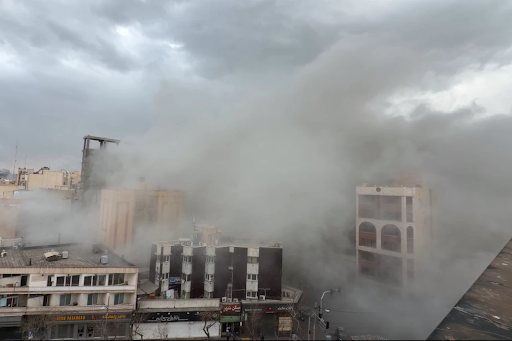
Smoke rises from Riyadh compound after US Embassy Drone Attack as regional tensions surge and Gulf security alerts intensify.
The US Embassy Saudi Arabia drone attack has intensified fears of a prolonged regional war. Early Tuesday, Iranian drones struck the American diplomatic compound in Riyadh, marking a sharp escalation in hostilities. The strike followed expanding US and Israeli air campaigns across Iranian territory, signaling a dangerous new phase in the conflict.
Saudi Arabia’s Defense Ministry confirmed that two drones hit the embassy compound, causing a limited fire and minor structural damage. Embassy officials quickly advised American citizens to avoid the area, while regional security alerts were raised across neighboring Gulf nations.
US Embassy Saudi Arabia Drone Attack Sparks Regional Alert
The Riyadh strike came shortly after a similar incident targeted the US Embassy in Kuwait. In response, the US State Department ordered the evacuation of non-essential staff and families from Bahrain and Jordan. Officials described the moves as precautionary, though the atmosphere across the Gulf remains tense.
As airspace closures disrupted commercial travel, thousands of foreign nationals found themselves stranded. Governments worldwide urged their citizens to leave the Middle East while routes remained uncertain.
Intensifying Airstrikes and Expanding Targets
While Iran launched drones outward, American and Israeli aircraft continued pounding Iranian positions overnight. Explosions echoed across Tehran, with residents reporting sustained aerial activity until dawn. Authorities have not disclosed full details about the damaged sites.
Israel also widened its military campaign into Lebanon, striking Hezbollah positions in Beirut’s southern suburbs. The Iran-backed group had launched missiles toward Israel earlier, further widening the battlefield.
Meanwhile, commercial and infrastructure targets have increasingly come under threat. Two Amazon data centers in the United Arab Emirates were struck, and another facility in Bahrain sustained drone-related damage. Energy facilities in Qatar and Saudi Arabia have also been hit, while attacks near the Strait of Hormuz disrupted vital shipping lanes. As a result, oil and natural gas prices surged sharply in global markets.
Rising Casualties Deepen Humanitarian Concerns
The human toll continues to climb as fighting intensifies. The Iranian Red Crescent reported at least 555 deaths from joint US-Israeli operations. In Israel, Iranian missile strikes killed 11 people, while Israeli retaliatory attacks in Lebanon left 52 dead.
Six American soldiers stationed in Kuwait were also confirmed dead during Iranian strikes. US officials later acknowledged that Kuwaiti defenses mistakenly shot down three American fighter jets amid the chaos, though all pilots ejected safely.
Humanitarian agencies warned that millions already displaced across the region now face renewed instability. International Organization for Migration Director General Amy Pope urged global leaders to push for de-escalation, warning that further escalation would deepen civilian suffering.
Nuclear Facilities and Strategic Objectives
The conflict’s strategic dimension has centered heavily on Iran’s nuclear program. Iranian officials confirmed airstrikes near the Natanz nuclear enrichment facility, though Washington and Jerusalem have not publicly acknowledged targeting it in this phase.
US President Donald Trump suggested the campaign could last four to five weeks, adding that operations might extend longer if necessary. Secretary of State Marco Rubio said the “hardest hits are yet to come,” underscoring Washington’s resolve.
Israeli Prime Minister Benjamin Netanyahu stated that Iran was rebuilding underground nuclear sites, though he offered no supporting evidence. Tehran, however, insists its nuclear program remains peaceful and denies pursuing atomic weapons.
Proxy Forces Enter the Fray
Beyond direct confrontation, proxy forces have joined the widening struggle. Hezbollah launched missiles and drones toward Israeli positions, prompting further Israeli strikes in Lebanon. Iraqi militias aligned with Iran also claimed attacks on US military facilities.
Israeli military officials said all options remain open, including potential ground operations in Lebanon if hostilities continue escalating.
A Conflict With No Clear Exit
The US Embassy Saudi Arabia drone attack reflects a conflict that now spans multiple borders and sectors. With diplomatic missions targeted, energy markets disrupted, and proxy forces engaged, the situation shows few signs of easing.
As global leaders call for restraint, both Washington and Tehran appear prepared for sustained confrontation. For civilians across the region, uncertainty has become the defining reality of a war expanding beyond its original battlefield.