The symbol of the United Nations is displayed outside the Secretariat building.
The United States is accelerating its retreat from global cooperation.
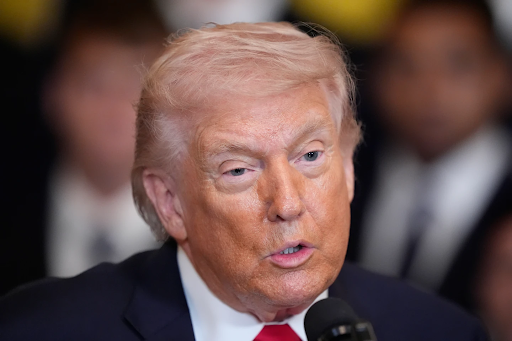
President Donald Trump has ordered the country to exit 66 international organizations.
The move signals a sharper shift away from multilateral diplomacy.
It also reinforces the administration’s “America First” foreign policy stance.
On Wednesday, Trump signed an executive order suspending U.S. support for dozens of global bodies.
The decision followed a comprehensive review of U.S. funding and participation.
The White House confirmed the move in an official release.
Many of the exits affect United Nations–linked organizations.
Several others involve independent global forums and advisory groups.
US exits international organizations after internal review
The executive order halts funding for 66 organizations, agencies, and commissions.
Most of them operate under the U.N. system.
They focus on climate policy, migration, labor, and social development.
The Trump administration has criticized these bodies as promoting diversity and “woke” agendas.
Officials argue such priorities conflict with U.S. interests and sovereignty.
Non-U.N. groups are also affected.
These include the Partnership for Atlantic Cooperation.
The International Institute for Democracy and Electoral Assistance is on the list.
The Global Counterterrorism Forum is included as well.
Administration cites sovereignty and efficiency concerns
Secretary of State Marco Rubio defended the decision in a public statement.
He described the organizations as redundant and poorly managed.
Rubio said many were wasteful and misaligned with American priorities.
He also claimed some institutions were captured by outside political interests.
According to the administration, this posed risks to U.S. sovereignty and prosperity.
The announcement comes amid heightened global tensions.
Trump’s foreign policy has unsettled allies and adversaries alike.
Recent actions and threats have amplified diplomatic uncertainty worldwide.
US exits international organizations in a continuing pattern
This is not the first wave of withdrawals.
The administration previously pulled support from the World Health Organization.
It also exited UNRWA, the U.N. Human Rights Council, and UNESCO.
The U.S. now takes a selective approach to global funding.
It pays dues only to bodies aligned with Trump’s agenda.
Other agencies receive no support, regardless of past commitments.
Analysts see a clear message behind the strategy.
Washington prefers cooperation strictly on its own terms.
Daniel Forti of the International Crisis Group called it a hardened stance.
He said it reflects a “my way or the highway” approach to multilateralism.
Impact on the United Nations and global programs
The shift has strained the United Nations.
The organization is already facing internal restructuring pressures.
U.S. withdrawals have forced staffing and program cuts.
Several nongovernmental organizations report project shutdowns.
These closures followed sharp reductions in U.S. foreign aid funding.
USAID budget cuts last year worsened the situation.
Despite this, officials say the U.S. still values some global engagement.
They want to invest in forums competing with China for influence.
These include the International Telecommunications Union and maritime bodies.
Climate treaty withdrawal draws global criticism
One major exit is from the UN Framework Convention on Climate Change.
The treaty underpins global climate negotiations.
It also supports climate financing for developing nations.
Trump has long dismissed climate change concerns.
He withdrew from the Paris Agreement soon after returning to office.
Former climate adviser Gina McCarthy condemned the move.
She called it shortsighted and damaging to U.S. credibility.
McCarthy warned it limits America’s influence over global investment flows.
Scientists also raised alarms.
Experts say U.S. withdrawal could slow global climate action.
Other countries may delay commitments without American leadership.
Other agencies affected by the decision
The U.N. Population Fund is among the most controversial exits.
Republicans have opposed it for years.
They accuse it of supporting coercive abortion practices abroad.
A prior State Department review found no evidence of such claims.
Funding was restored under President Joe Biden in 2021.
Additional exits include energy, culture, and trade-related bodies.
These range from the International Tropical Timber Organization to arts councils.
Several regional research and advisory institutions are also affected.
As the US exits international organizations, global cooperation faces new uncertainty.
The long-term impact will shape diplomacy, climate policy, and global governance.