Diplomats conclude U.S.-Iran Nuclear Talks without a deal as tensions rise, fueling global concern over conflict risks.
The latest round of US-Iran nuclear talks concluded in Geneva without a breakthrough, leaving diplomatic uncertainty hanging over an already tense Middle East. After hours of indirect negotiations mediated by Oman, both sides walked away without a formal agreement, even as military deployments in the region raise concerns about a possible confrontation.
While negotiators described the discussions as big and detailed, key differences remain unresolved, particularly over uranium enrichment and sanctions relief.
Diplomatic Progress but No Breakthrough
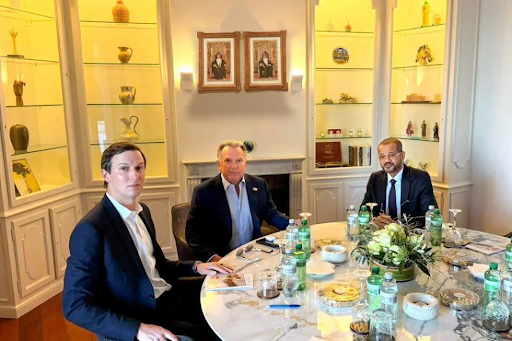
Oman’s Foreign Minister Badr al-Busaidi, who facilitated the talks, described the discussions as showing “significant progress.” However, he stopped short of offering specifics, suggesting that difficult gaps still separate Washington and Tehran.
Iranian state media signaled a firm stance just before talks ended. Tehran remains determined to continue uranium enrichment and rejects proposals to transfer enriched material abroad. Iranian officials also insist that international sanctions must be lifted as part of any agreement.
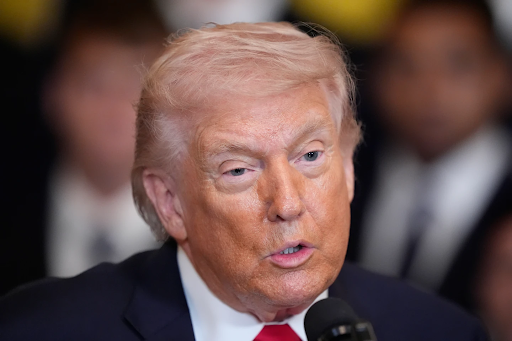
President Donald Trump has made clear that he wants strict limits on Iran’s nuclear program. He believes the current moment presents leverage, as Iran faces domestic unrest and economic strain.
Iran Draws Its Red Lines
Iran maintains that its nuclear program is peaceful and lawful under international agreements. Officials say they are willing to discuss nuclear matters but refuse to negotiate on missile development or regional alliances.
Foreign Minister Abbas Araghchi described the Geneva discussions as among the most intense rounds of negotiations so far. Although he offered no concrete details, he emphasized that Iran’s expectations were clearly communicated.
Tehran hopes to avoid military escalation, yet insists on retaining its right to enrich uranium. That position directly conflicts with Washington’s demand for a complete halt.
Military Pressure Raises Stakes
The fragile diplomatic process unfolds under growing military tension. The United States has positioned additional aircraft and warships across the region, signaling readiness for possible escalation.
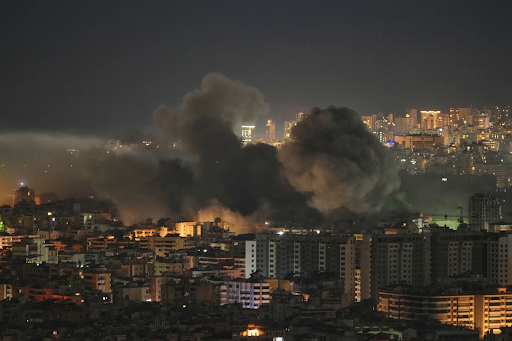
Iran has warned that any American attack would trigger retaliation. U.S. bases across the Middle East could become targets, placing thousands of American personnel at risk. Tehran has also threatened action against Israel, increasing fears of a wider regional conflict.
Araghchi described such a conflict as devastating for all sides, warning that no country would emerge victorious from a prolonged war.
Technical Talks to Continue
Despite the lack of agreement, both sides agreed to continue discussions. Lower-level technical meetings are scheduled next week in Vienna, home to the International Atomic Energy Agency.
The IAEA is expected to play a central role in verifying any future agreement. Its oversight would be crucial in monitoring uranium enrichment and compliance measures.
Analysts note that the U.S. delegation did not abandon talks immediately, which some see as a positive sign. According to regional experts, continued engagement suggests limited but meaningful common ground remains.
Background of Conflict and Collapse
These Geneva talks mark the third round of negotiations since last year’s conflict. Diplomatic efforts collapsed after Israel launched a 12-day war against Iran in June, followed by U.S. strikes on Iranian nuclear facilities.
Those attacks left significant damage, although the full extent remains unclear. Since then, Western intelligence agencies have assessed that Iran has not restarted a formal weapons program. However, officials believe Tehran has taken steps that could shorten the timeline if it chooses to develop a bomb.
Before the 2015 nuclear deal collapsed, Iran’s enrichment levels were tightly restricted. After the agreement unraveled, enrichment climbed to 60 percent purity, closer to weapons-grade levels.
Oil Markets and Regional Uncertainty
The uncertainty surrounding US Iran nuclear talks is already affecting global markets. Oil prices have risen amid fears of disruption in the Persian Gulf. Iran previously threatened to halt traffic through the Strait of Hormuz, a vital route for global oil shipments.
Any disruption there could send energy prices sharply higher. That economic risk adds another layer of urgency to diplomatic efforts.
A Narrow Window for Diplomacy
For now, both Washington and Tehran appear cautious yet firm. Each side signals willingness to talk but shows little readiness to compromise on core demands.
As technical talks continue, the region remains on edge. Diplomacy has not collapsed, but neither has it delivered results.
The coming weeks may determine whether US Iran nuclear talks move toward resolution or slide toward confrontation.