Officials resume US-Iran nuclear talks in Geneva as regional tensions escalate and military forces reinforce positions.
The United States and Iran are preparing for a third round of US-Iran nuclear talks in Geneva, raising hopes for diplomacy amid rising regional tensions. The meeting comes as Washington increases its military presence across the Middle East, signalling both urgency and resolve.
President Donald Trump is pushing for a fresh agreement that would permanently restrict Iran’s nuclear ambitions. At the same time, Tehran insists its nuclear program remains peaceful despite recent confrontations.
Diplomacy Under Growing Military Shadow
The upcoming US-Iran nuclear talks unfold against a tense military backdrop. The United States has deployed additional aircraft and warships to the region, reinforcing its strategic posture. This buildup is widely viewed as leverage designed to pressure Tehran into compromise.
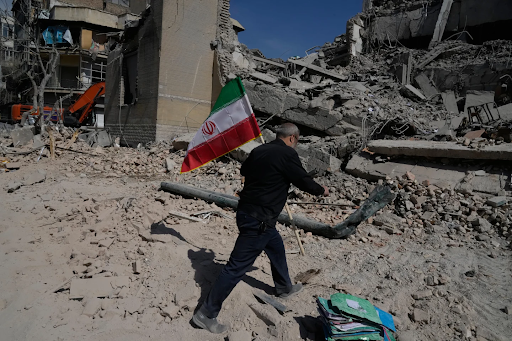
Iran has warned that any American military strike would trigger retaliation. Officials in Tehran say U.S. bases across the Middle East would become legitimate targets if conflict erupts. Such a scenario, they caution, could drag the entire region into war.
Iranian Foreign Minister Abbas Araghchi described the prospect of conflict as devastating. He warned that widespread escalation would harm every nation involved.
Key Players Return to the Table
Araghchi will again meet U.S. envoy Steve Witkoff in Geneva. Witkoff, a longtime associate of Trump, has led earlier negotiation rounds. Previous discussions collapsed after Israel’s military campaign against Iran last June disrupted diplomacy.
Oman continues to mediate the US-Iran nuclear talks, maintaining its longstanding role as a quiet intermediary. Before formal negotiations began, Araghchi met Omani Foreign Minister Badr al-Busaidi to review proposals.
According to Omani officials, both sides aim to build on principles outlined in earlier discussions. The renewed dialogue reflects cautious optimism despite the fragile atmosphere.
Sticking Points Remain Deep
Trump has demanded a complete halt to Iran’s uranium enrichment activities. Washington also wants restrictions on Tehran’s ballistic missile program and regional alliances. Iran, however, insists the talks focus strictly on nuclear issues.
U.S. Secretary of State Marco Rubio said Iran continues seeking ways to rebuild parts of its nuclear infrastructure. While enrichment is currently paused, he suggested Tehran is positioning itself for future capability.
Iran denies active enrichment since the June strikes on its nuclear facilities. However, it has limited access for International Atomic Energy Agency inspectors. Satellite images indicate activity at damaged sites, fueling further suspicion.
Before recent attacks, Iran had enriched uranium to 60 percent purity. That level sits just below weapons-grade thresholds. Western officials maintain Iran halted its weapons program in 2003, though concerns persist.
Regional Risks Intensify
The stakes of the US-Iran nuclear talks extend beyond diplomacy. Iran has warned it could target Israel again if conflict resumes. Memories of last year’s 12-day war remain fresh across the region.
Oil markets have reacted nervously to rising tensions. Brent crude prices have hovered near $70 per barrel in recent days. Analysts link the increase to fears of supply disruption.
The Strait of Hormuz remains a critical chokepoint. Nearly one-fifth of global oil trade passes through its narrow waters. During previous tensions, Iran briefly disrupted traffic there, amplifying global concerns.
Meanwhile, satellite imagery suggests U.S. naval vessels in Bahrain have moved out to sea. Similar dispersals occurred before earlier Iranian strikes in the region, underscoring precautionary measures.
Uncertain Path Forward
Vice President JD Vance reiterated Washington’s core position clearly. He said Iran cannot be allowed to obtain a nuclear weapon. However, he emphasized that diplomacy remains the preferred route.
Still, military options remain on the table if negotiations fail. Analysts warn that limited strikes may not achieve lasting results. Broader intervention could risk prolonged instability inside Iran and beyond.
For now, attention turns to Geneva, where the US-Iran nuclear talks may determine the region’s immediate future. Diplomacy offers a narrow but vital path away from confrontation. Whether both sides seize that opportunity remains uncertain.