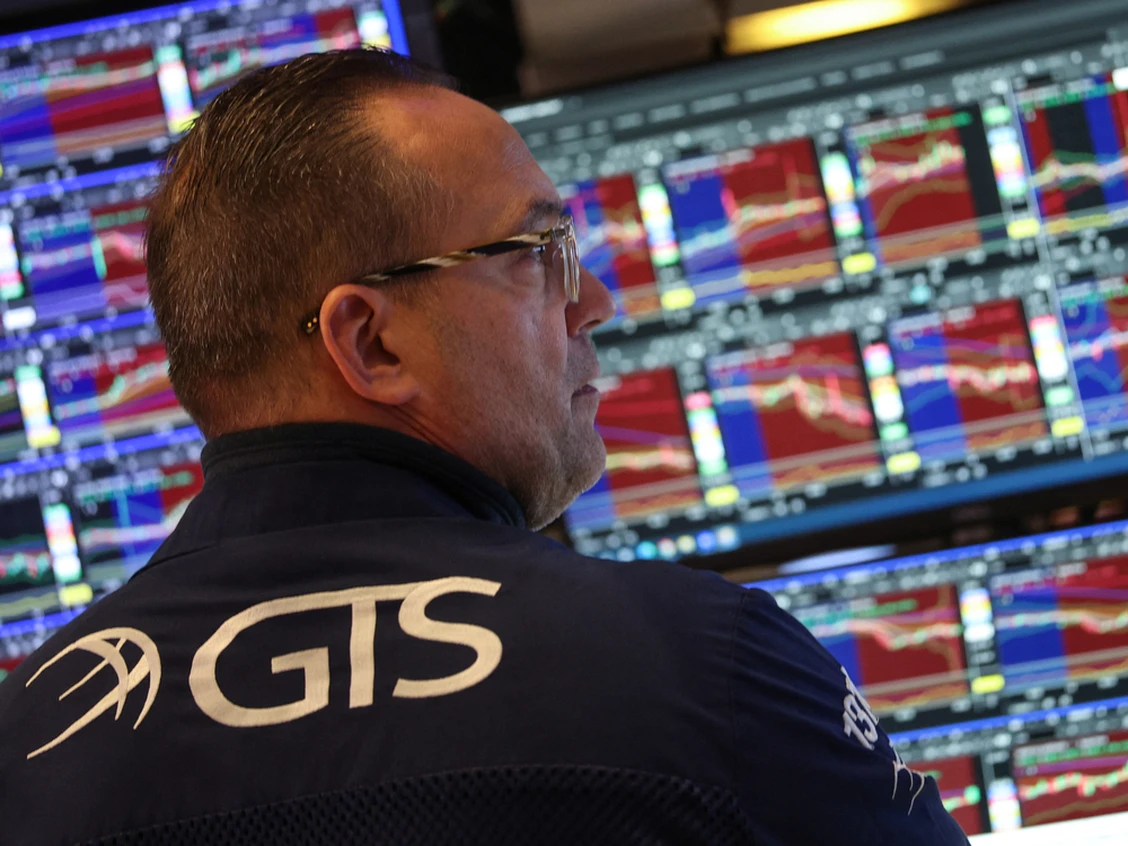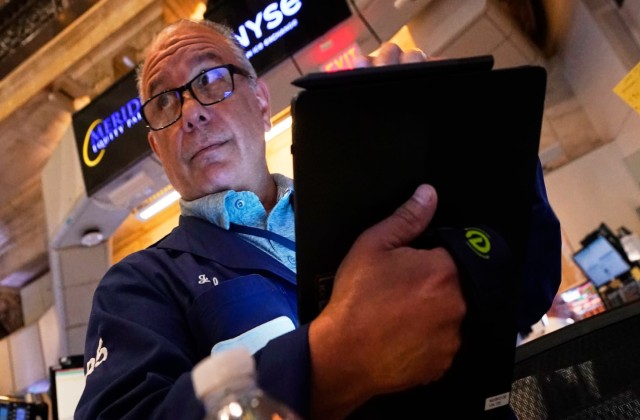
Joel Lucchese, a trader, is seen working on the floor of the New York Stock Exchange on Friday, June 27, 2025. (Photo: Richard Drew/AP)
U.S. stocks soared to historic highs on Friday, marking a dramatic recovery just months after fears over U.S. trade policies sent the market into a sharp tailspin. Investors welcomed the turnaround, which has come at a pace faster than usual, offering a breather from months of economic uncertainty.
The S&P 500 rose by 0.5%, closing above its previous record set back in February. This index, which reflects the overall health of the U.S. stock market, had plunged nearly 20% between February 19 and April 8. But the market has bounced back in roughly half the time it typically takes to recover from such losses, according to CFRA's chief investment strategist, Sam Stovall.
“It’s a relief rally,” Stovall said, emphasizing the confidence returning among investors.
The Nasdaq composite also gained 0.5%, hitting a new peak, while the Dow Jones Industrial Average saw a 1% increase.
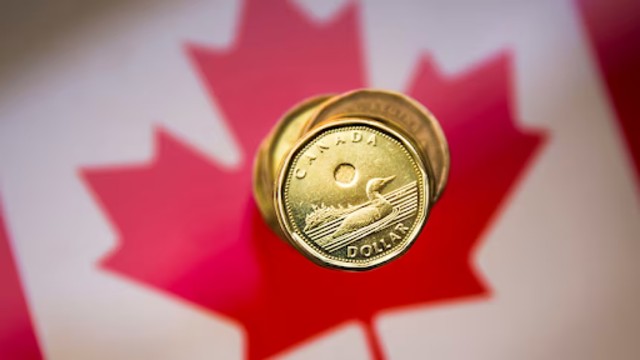
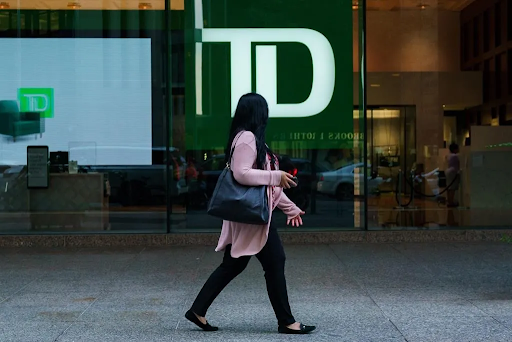
The market remained steady despite a surprise move from President Donald Trump, who decided to pull back from trade discussions with Canada. The announcement initially threatened the day's rally but didn’t derail investor optimism.
Most sectors in the S&P 500 posted gains. Nike led the surge, jumping more than 15% despite forecasting potential losses from tariffs. Analysts viewed the performance as a sign of underlying market strength, even in the face of uncertainty.
Fears that tensions between Israel and Iran could disrupt oil supply seem to have eased for now. A ceasefire is still holding, and U.S. oil prices have stabilized, returning to pre-conflict levels. This has added some calm to global markets.
Meanwhile, investors are closely watching trade developments between the U.S. and China. A new deal signed between the two countries promises easier access for American businesses to secure rare earth materials vital for tech manufacturing.
However, while the U.S. confirmed the agreement, China's statement was more cautious, stating it would evaluate applications for controlled exports without clearly guaranteeing American access.
On the domestic front, inflation remains a pressing issue. Prices edged higher in May, matching economists' expectations. But with the ongoing trade policy rollercoaster, businesses are struggling to plan ahead. Tariffs have forced many companies—from automakers to retailers—to brace for reduced profits and rising costs.
The U.S. currently maintains a 10% baseline tariff on imported goods, with steeper rates for items from China and other sectors like steel and automobiles. So far, the economy has weathered the impact, but experts warn that the true cost of these tariffs may become more apparent in the coming months.
Economist Greg Wilensky noted that inflation pressure might intensify soon. With new tariffs possibly on the horizon by July, the financial community is bracing for more disruption if trade deals aren't renewed.
The Federal Reserve is closely monitoring inflation. Its preferred metric—the Personal Consumption Expenditures (PCE) index—rose to 2.3% in May, slightly above the 2% target. While the Fed had cut rates twice in late 2024, it has remained cautious in 2025, hesitant to make further moves due to inflation concerns.
Bond markets were relatively calm. The 10-year Treasury yield inched up to 4.27%, and the two-year note, which reacts more to Fed expectations, climbed to 3.74%.
By the end of Friday’s session, the S&P 500 added 32.05 points to close at 6,173.07. The Dow climbed 432.43 points to 43,819.27, while the Nasdaq rose 105.55 points, ending at 20,273.46. European stocks saw modest gains, while Asian markets had mixed results.