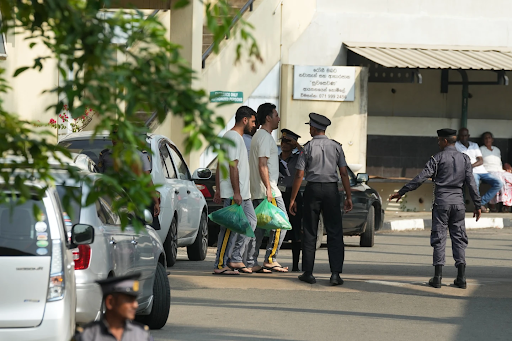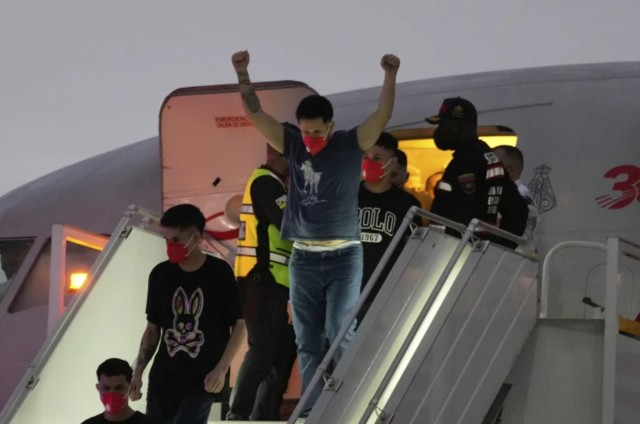
Migrants deported months ago by the United States to El Salvador under the Trump administration’s immigration crackdown arrive at Simon Bolívar International Airport in Maiquetia, Venezuela, Friday, July 18, 2025.
In a high-stakes diplomatic exchange, Venezuela freed 10 detained U.S. nationals on Friday. The move came as part of a complex three-nation deal that also saw El Salvador release over 250 Venezuelan migrants previously held in its controversial mega-prison. The swap, months in the making, marks a rare moment of cooperation between the administrations of Venezuela’s Nicolás Maduro, El Salvador’s Nayib Bukele, and former U.S. President Donald Trump.
10 Americans Return Home from Venezuelan Detention
After prolonged detainment, 10 U.S. citizens and legal residents were finally reunited with their families. These individuals had been held in Venezuela under accusations of espionage, destabilization, or illegal entry. Many of their families have long claimed they were innocent and were used as political leverage.
Among them was Navy SEAL Wilbert Castenada, arrested in Caracas last year. His brother called it “a day we’ve prayed for,” stating that Wilbert had been falsely linked to a coup. Lucas Hunter, another released citizen, was allegedly kidnapped by border guards while vacationing in Colombia. His family expressed overwhelming relief and gratitude.
A photo shared by the U.S. State Department showed the released Americans smiling aboard their flight home, clutching the U.S. flag. “Every wrongfully detained American in Venezuela is now free and back in our homeland,” said Secretary of State Marco Rubio.
Venezuelan Migrants Leave El Salvador’s Mega-Prison
At the heart of the deal were more than 250 Venezuelan migrants who had been detained in El Salvador's feared Terrorism Confinement Center (CECOT). These individuals were deported to El Salvador under the Trump administration using the Alien Enemies Act, a rarely invoked 18th-century law.
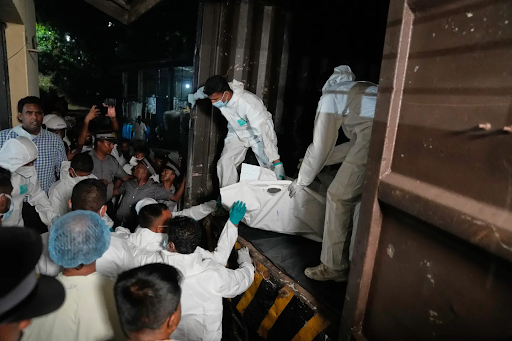
The migrants were accused—without substantial evidence—of ties to the notorious Tren de Aragua gang. Held in brutal conditions, they faced overcrowding, torture allegations, and restricted legal access. Human rights groups documented multiple deaths and abuses inside the prison.
On Friday, videos and photos showed the migrants shackled, escorted by riot police, and boarding planes back to Venezuela.
One of them, makeup artist Andry Hernández Romero, had previously been in U.S. immigration custody before being flown to El Salvador. After his release, he returned to Venezuela with the others. According to Maduro, at least one returnee lost a kidney from prison beatings.
Maduro Celebrates “Day of Blessings”
President Maduro hailed the exchange as “a perfect day for Venezuela.” The return of the migrants boosts his image at a time when his leadership remains under international scrutiny. He accused Salvadoran authorities of abusing the detainees and demanded justice.
Interior Minister Diosdado Cabello confirmed that the returnees would undergo medical exams and background checks before reintegrating into society.
The swap marks a strategic win for Maduro. Despite facing international condemnation and losing the 2024 election to opposition candidate Edmundo González—who later fled to Spain—Maduro remains in power. The migrant issue has given him ammunition to criticize U.S. immigration policies and reclaim political leverage at home.
Bukele’s Role and the Political Optics
President Nayib Bukele of El Salvador was central to brokering the swap. Months earlier, he had suggested exchanging the detained Venezuelans for political prisoners held by Maduro—a proposal Venezuela initially rejected, branding Bukele a “neofascist.”
However, the plan eventually materialized with Trump’s backing. El Salvador had previously accepted $6 million from the Trump administration to detain the Venezuelans, a move that faced legal challenges and backlash.
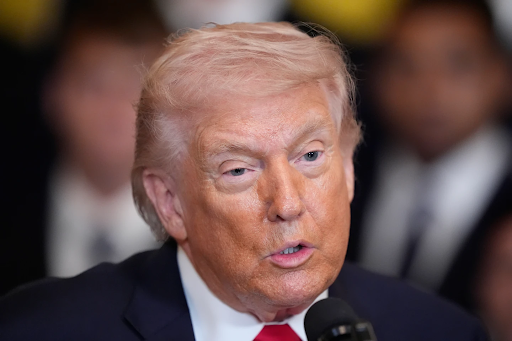
Friday’s release is likely to boost Bukele’s image domestically and with U.S. conservatives, while providing Trump with a foreign policy talking point as he eyes a return to the White House.
Quiet Cooperation Amid Diplomatic Tensions
Though the U.S. does not officially recognize Maduro’s government, backchannel negotiations have continued. In recent months, there have been several detainee releases. In May, Venezuela freed a U.S. Air Force veteran, and in February, six other Americans were released after Trump envoy Richard Grenell met Maduro in Caracas.
During those talks, Grenell also urged Maduro to accept Venezuelan migrants deported from the U.S., especially those with criminal records. Since then, hundreds have returned to Venezuela.
The Maduro government has accused the U.S. of “kidnapping” deported migrants’ children and placing them in foster care—another sore point in already strained relations.
Migration Crisis Continues
Since 2013, over 7.7 million Venezuelans have fled the country amid economic collapse, political turmoil, and violence. While many initially settled across Latin America, the post-pandemic landscape has seen a surge in migration toward the U.S.
Despite deep political divisions, this recent migrant and detainee exchange underscores the possibility of diplomacy, even between nations that refuse to officially acknowledge each other’s governments.
This historic prisoner and migrant swap offers temporary relief to the individuals involved, but it also highlights the ongoing humanitarian, political, and legal complexities surrounding migration, detention, and diplomacy in the Americas.