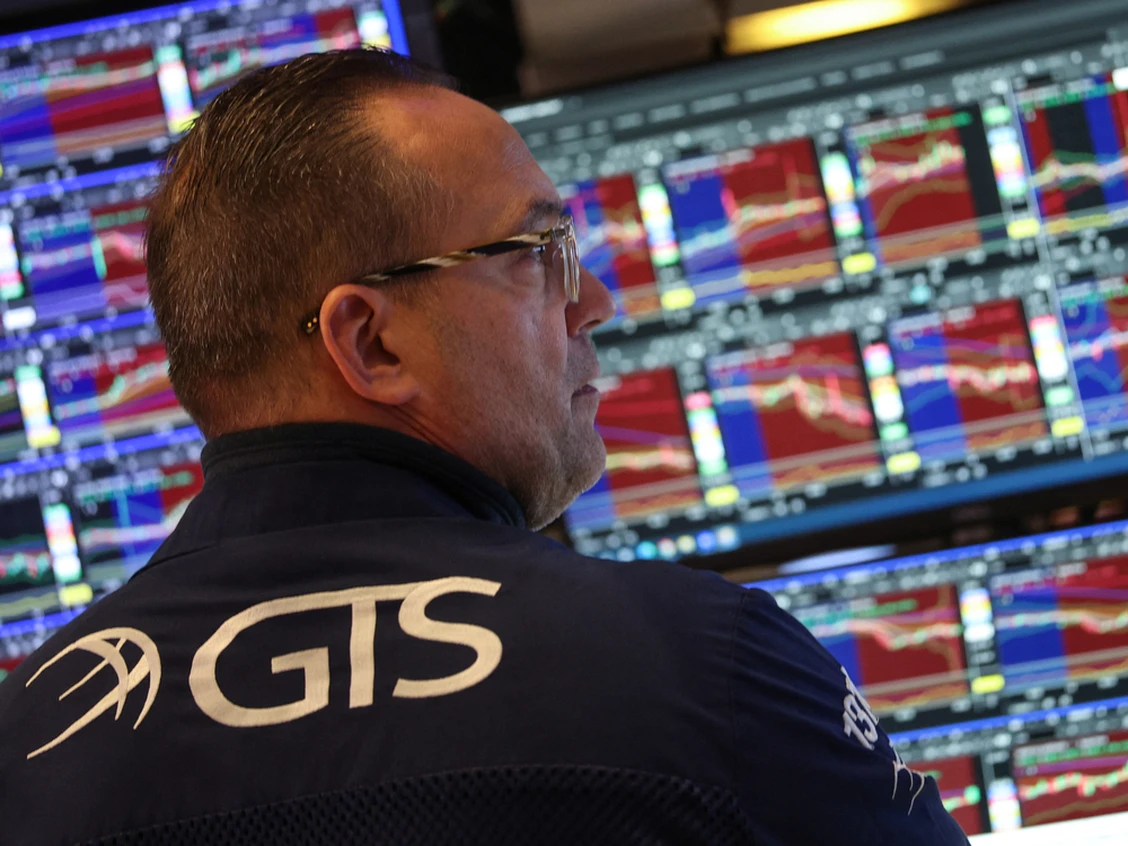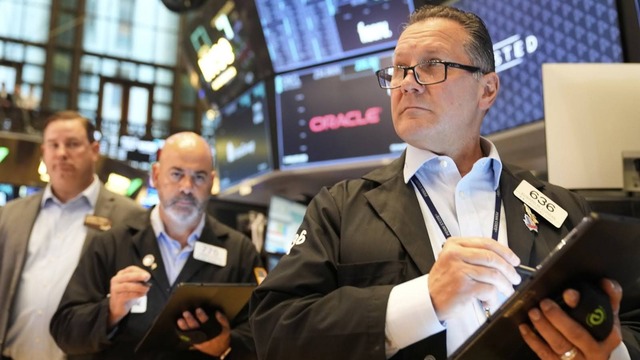
Ed Curran is seen at work on the trading floor of the New York Stock Exchange in New York. (AP Photo/Seth Wenig)
Wall Street ended the week with a sharp tumble, recording its worst single-day drop since May, as two major events shook investor confidence: a steep slowdown in U.S. job growth and a wave of fresh tariffs announced by President Donald Trump.
On Friday, the S&P 500 dropped by 1.6%, marking its fourth consecutive loss and the biggest one-day fall since May 21. The index wrapped up the week with a 2.4% loss, breaking away from the record-setting highs seen just a week earlier. The Dow Jones Industrial Average fell 1.2%, while the Nasdaq composite slumped by 2.2%.
Weak Hiring Numbers Startle Investors
The Labour Department revealed that only 73,000 jobs were added in July, a sharp decline from forecasts. To add to the concern, previously reported job growth for May and June was revised downward by a combined 258,000 jobs. This unexpected weakness sparked fears that the economy may be losing momentum.
Adding more fuel to the uncertainty, President Trump fired the head of the federal agency responsible for releasing job data, creating further nervousness among investors.
Sam Stovall, a strategist at CFRA, summed up the market’s mood: "Investors were hit with a double blow—surprising job data and a new batch of tariffs."
New Tariffs Heighten Global Trade Uncertainty
Trump also rolled out new tariffs on dozens of countries, postponing the effective date to August 7, but the move created fresh global jitters. This unexpected delay didn’t provide relief; instead, it made the future of international trade more unpredictable.
Companies are struggling to adjust to the ever-shifting policy landscape. Giants like Walmart and Procter & Gamble have warned of higher costs, reduced profits, and potential price increases for consumers.
Tech companies were particularly hard-hit. Amazon dropped 8.3%, despite strong earnings, while Apple slid 2.5%, warning that it may lose over $1 billion this quarter due to tariffs.
Will the Fed Step In?
Following the weak jobs report, traders quickly adjusted their expectations for a Federal Reserve interest rate cut. The likelihood of a quarter-point cut in September jumped from under 40% to 87%, according to CME FedWatch data.
Bond yields also tumbled. The 10-year Treasury yield fell from 4.39% to 4.21%, and the 2-year yield dropped from 3.94% to 3.68%, reflecting growing market expectations that the Fed will act.
The Fed has kept rates unchanged since December, but now faces pressure to step in to support the economy. However, policymakers remain cautious. While inflation ticked up to 2.6% in June, exceeding the Fed’s 2% target, a cut could risk fueling even more inflation.
Fed Chair Jerome Powell continues to walk a tightrope. Although Trump has publicly urged him to lower rates, any decision must come from the full Federal Open Market Committee, not Powell alone.
Ellen Zentner, a strategist at Morgan Stanley, said the Fed may now have more reason to act: “The job market is showing signs of wear, and tariffs are deepening the cracks. A rate cut in September looks increasingly likely—especially if data in August doesn’t improve.”
Global Stock Markets Follow U.S. Lead
The shockwaves from Wall Street spread worldwide. Germany’s DAX fell 2.7%, France’s CAC 40 dropped 2.9%, and South Korea’s Kospi plunged 3.9%. The ripple effect reflected growing global anxiety about the direction of trade and growth.
Meanwhile, energy giant Exxon Mobil reported its weakest profit in four years and a drop in revenue as oil prices slid due to increased OPEC+ production. The stock lost 1.8% on Friday.
By the end of the day, the major U.S. indexes had fallen significantly:
- S&P 500: -101.38 points to 6,238.01
- Dow Jones: -542.40 points to 43,588.58
Nasdaq: -472.32 points to 20,650.13