The department says the virus only affects rabbits and cannot spread to other animals. However, it can infect pet rabbits, especially if they live outside and come into contact with wild rabbits or insects. In domestic rabbits, the illness can be more serious and requires care from a veterinarian. Fox News
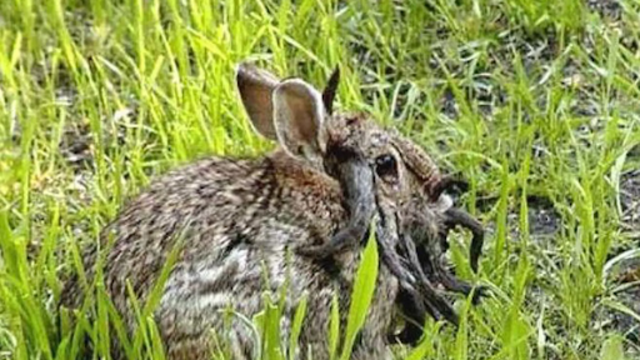
Recently, residents have spotted wild rabbits with unusual horn-like growths on their heads. Experts say the growths are caused by a viral infection called cottontail rabbit papillomavirus. Colorado Parks and Wildlife (CPW) explains these growths are common in infected wild rabbits.
Susan Mansfield, a Fort Collins resident, described her sighting: "It looks like it was black quills or black toothpicks sticking out all around his or her mouth. I thought he would die off during the winter, but he didn’t. He came back a second year, and it grew."
What Causes the Growths?
CPW says the virus causes black nodules, mainly on the rabbit’s head. Over time, some nodules grow longer, forming horn-like protrusions. The growths usually do not harm rabbits unless they stop them from eating or drinking.
"Most infected cottontails can survive the viral infection, after which the growths will go away," CPW adds. They recommend not euthanizing rabbits unless the growths seriously affect eating or drinking.
Impact on Rabbits and Humans
The virus only affects rabbits. People do not catch it. CPW warns that domestic rabbits may get infected if they live outdoors or contact wild rabbits or biting insects. In domestic rabbits, the infection can be more serious and requires veterinary care.
The department advises people to avoid touching infected rabbits. Proper care and hygiene can prevent the virus from spreading to pets.
What to Watch For
The infection is usually harmless in wild rabbits. It shows as small black bumps that may grow into horn-like shapes. Affected rabbits often continue to live healthy lives, returning each season.
Experts encourage people to observe from a distance and enjoy the wildlife. Human interference is unnecessary unless the rabbit struggles to survive.
Wild rabbits with horn-like growths may look alarming, but experts say most survive without help. The condition is specific to rabbits and not dangerous to humans. Observers should admire the animals from afar and keep domestic pets safe by preventing outdoor contact.