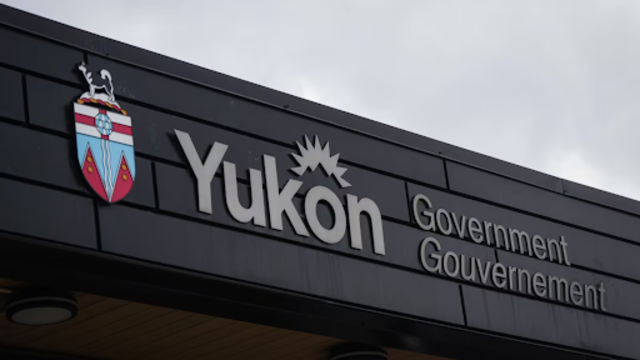
The Yukon coat of arms is displayed on the exterior of the Yukon Legislative Building in Whitehorse, photographed on Wednesday, July 23, 2025. The Canadian Press
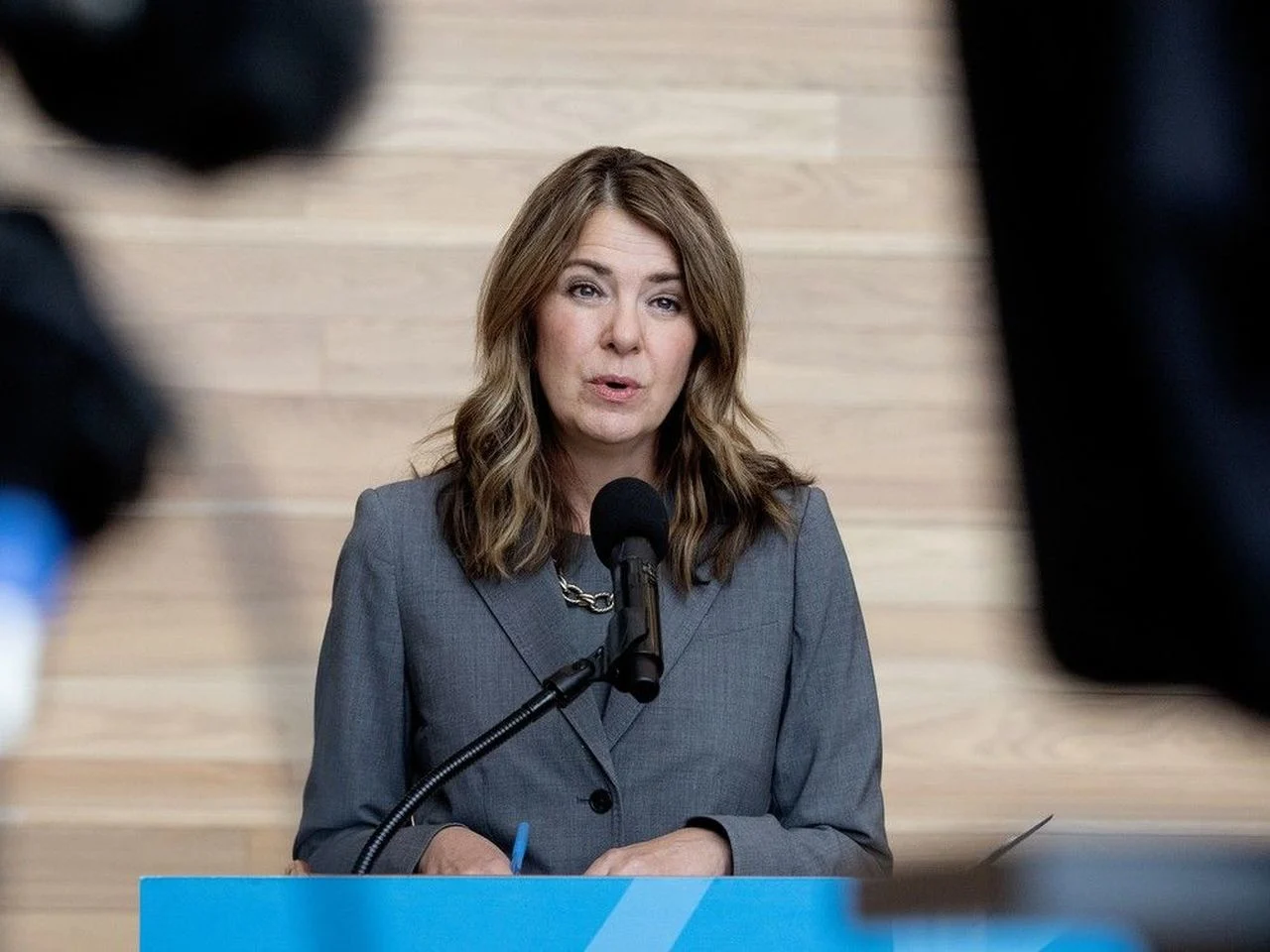
Yukon and Alaska have taken a big step to address the crisis of missing and murdered Indigenous people. On Tuesday, leaders from both regions met in Whitehorse to sign an agreement that will help improve safety in northern communities.
The memorandum of understanding began taking shape in April 2024. Officials from both sides worked closely to make sure it addressed urgent concerns. By signing it this week, they officially launched a new era of cooperation across the border.
Focus on Safety and Support
The agreement aims to bring Yukon and Alaska together to fight gender-based violence. Leaders say it will make it easier to share information, respond faster to cases, and provide better support for victims and families.
“This is a significant milestone,” the territorial government said after the signing. “It will strengthen cross-border collaboration and improve safety for our communities.”
For Yukon, this step also meets a key goal in its strategy to respond to the National Inquiry into Missing and Murdered Indigenous Women and Girls.
Building Stronger Ties
After the signing ceremony, Yukon and American officials sat down to exchange knowledge. They discussed how to use each other’s expertise to make their communities safer.
The talks focused on practical ways to work together. These included improving communication between police and community services, creating joint response teams, and increasing cultural understanding when helping victims and their families.
Both sides believe the agreement will not only address the crisis but also build stronger ties between Yukon and Alaska.
A Step Forward, But More Work Ahead
While leaders celebrated the signing, they also recognised that the work is far from over. Many northern communities still face challenges with limited resources, vast distances, and deeply rooted social issues.
Officials say the real measure of success will come from how well this agreement turns into action. The hope is that better coordination will lead to faster responses, stronger prevention programs, and more trust from affected communities.
For families who have lost loved ones or are still searching, the agreement offers hope. It shows that Yukon and Alaska are ready to listen, share resources, and work together.