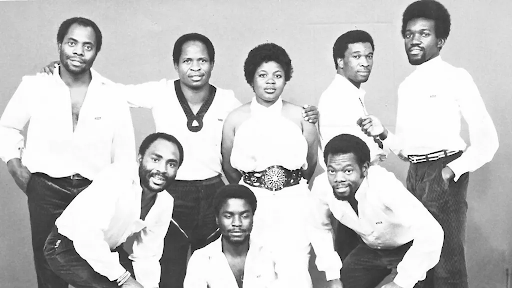
WITCH was one of Zamrock's most popular acts in the 1970s
A forgotten sound from 1970s Zambia is roaring back to life. Known as Zamrock, the genre once captured a moment of post-independence freedom. Decades later, it is inspiring a new generation of artists and listeners across the world.
What makes the revival striking is its scale. Zamrock never truly broke beyond Africa in its original era. Today, it is being sampled, reimagined, and celebrated globally.
A Sound Born From Freedom
Zamrock emerged in the early 1970s, soon after Zambia gained independence from Britain. The country was riding an economic high, powered by copper exports and cultural optimism.
Under President Kenneth Kaunda’s “Zambia first” policy, radio stations were required to play mostly local music. That decision created space for young musicians to experiment and take risks.
They blended Western psychedelic rock with African rhythms. Electric guitars met traditional melodies. The result was loud, raw, and unapologetically Zambian.
Rock Influences With An African Core
Bands like WITCH, Ngozi Family, Amanaz, and Musi-O-Tunya drew inspiration from Deep Purple, Led Zeppelin, Jimi Hendrix, and James Brown. But they refused to copy them outright.
“We were Africans,” says WITCH frontman Emmanuel “Jagari” Chanda. “The African aspect was always calling us back.”
Zamrock artists dressed boldly. Bell-bottoms, platform shoes, and headbands filled the stage. Shows stretched deep into the night, fuelled by young fans and electric energy.
Jagari and the new version of WITCH played Glastonbury earlier this year. Getty Image
A Short-Lived Golden Era
Despite its popularity, Zamrock’s moment was brief. By the late 1970s, Zambia’s economy faltered after copper prices collapsed.
Touring became expensive. Recording slowed. Music piracy spread. Then the HIV/Aids crisis hit hard in the 1980s.
Many musicians died. Five founding members of WITCH were lost. The genre faded, and its pioneers returned to ordinary jobs. Jagari went to work in the mines.
For decades, Zamrock lay dormant.
Rediscovery From Afar
The revival began quietly in the early 2010s. Western record collectors stumbled upon rare Zamrock vinyl and were captivated.
US label Now-Again Records played a key role. Its founder, Eothen “Egon” Alapatt, began reissuing albums from the era.
“I wasn’t sure if it had a market,” he says. “I just knew it was very cool.”
Collectors soon followed. Original records, once ignored, started selling for hundreds of dollars. Zambian store owners were stunned by the demand.
Tyler, the Creator had high praise for Zamrock's Ngozi Family, who he sampled in his 2024 single Noid. Getty Image
From Crates To World Stages
In 2011, a Now-Again compilation of WITCH’s music reignited interest in the band. That buzz led to a full revival.
WITCH reformed with Jagari and younger musicians. They released new albums, toured internationally, and played festivals like Glastonbury.
For the first time, Zamrock reached audiences outside Africa in a live setting.
“It’s a new lease on life,” says Jagari, now in his seventies. “Something I never expected.”
Modern Artists Embrace The Sound
Zamrock’s influence has also filtered into contemporary music. Artists like Travis Scott, Tyler, the Creator, and Yves Tumor have sampled classic tracks.
Songs from the genre have appeared in popular television series, including Watchmen and Ted Lasso.
Tyler, the Creator has called Zamrock bands “incredible,” praising the creativity that came out of Zambia during that era.
Sampa the Great thinks Zamrock's resurgence will be "huge"
Sampa the Great and “nu Zamrock”
One of the genre’s most meaningful champions today is Sampa the Great. The Zambian-born rapper has woven Zamrock into her upcoming album.
She calls the sound “nu Zamrock.” It blends fuzz guitars, hip-hop, and the spirit of post-colonial freedom.
For Sampa, Zamrock represents confidence and identity. She recently discovered her uncle was a founding member of WITCH.
“That boldness,” she says, “is something we need now.”
Protecting Origins Amid Revival
While many welcome the resurgence, some worry about context being lost. Zamrock risks becoming just a source of samples.
Record store owner Duncan Sodala says it is vital to credit the genre’s roots.
“If we are not loud about where Zamrock comes from,” he says, “we risk being written out of our own story.”
That concern has sparked renewed pride within Zambia. Festivals, museums, and young artists are reclaiming the sound locally.
A Fire Passed Forward
Today, Zamrock is no longer just a rediscovered relic. It is a living genre again.
Young Zambian musicians are experimenting with it. Restaurants host festivals. Cultural centres preserve its history.
For Jagari, the revival feels complete only if the next generation carries it forward.
“The fire has been lit,” he says. “Now it’s their turn to keep it burning.”