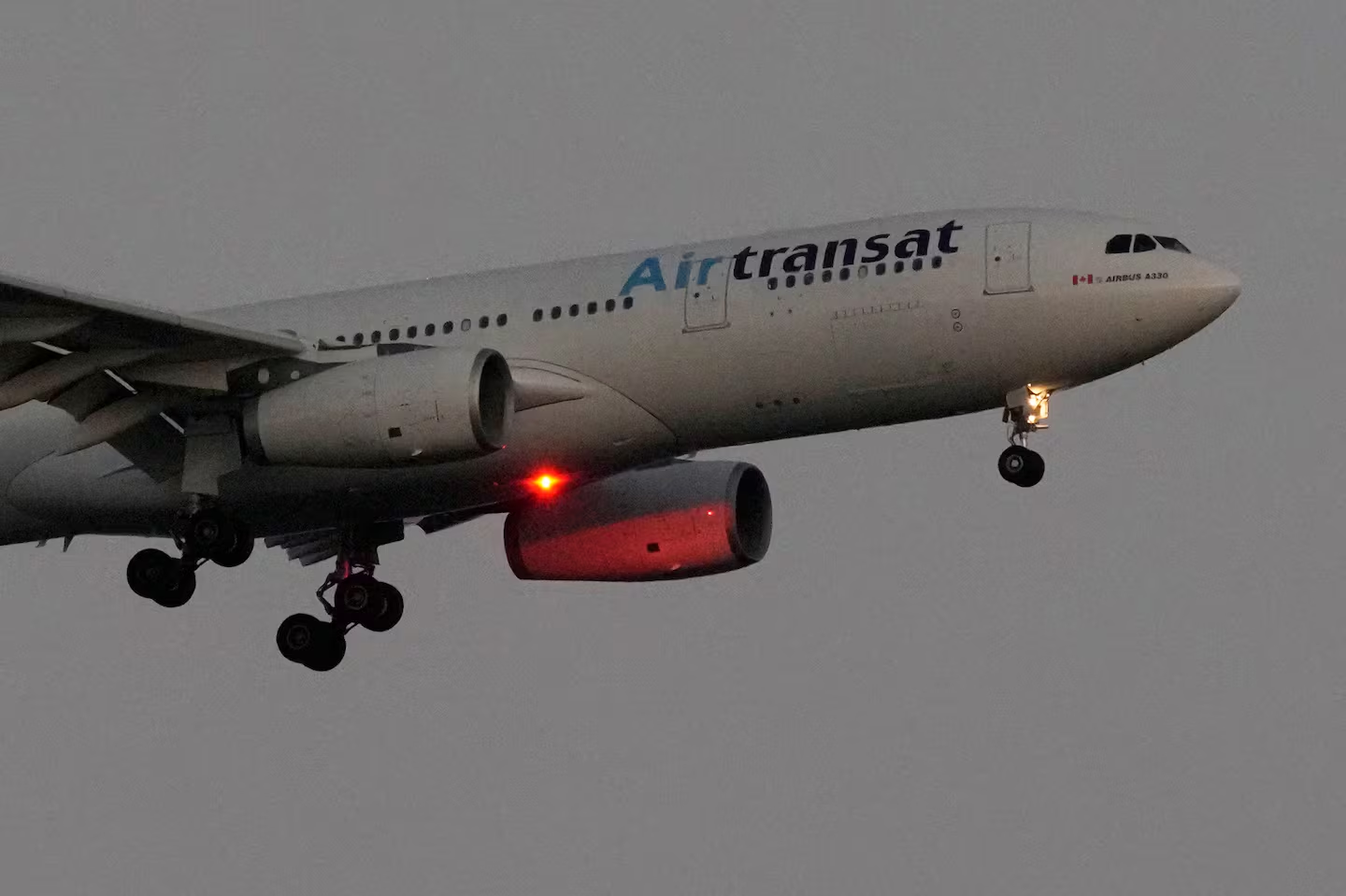
Severe freezing temperatures led to 105 flight cancellations and 291 delays at airports across Canada, interrupting travel plans in Toronto, Montreal, Halifax, Calgary and several other cities. Travel & Tour World
Hundreds of travellers across Canada faced long waits and sudden changes to their plans this week after extreme cold disrupted flight schedules nationwide. Airlines including Air Canada, WestJet, Jazz, American Airlines and several regional carriers reported a combined 105 cancellations and 291 delays.
Major cities such as Toronto, Montreal, Halifax and Calgary experienced the most disruption, while smaller communities across Ontario and Quebec also saw service interruptions. The sharp drop in temperature, paired with strong winds, created difficult flying conditions and slowed airport ground operations.
Bitter Cold Disrupts Flight Operations
A powerful cold wave swept across several provinces, pushing temperatures below –15°C. Wind chills in some areas reached –20°C or lower. Public health officials issued cold alerts in parts of Ontario, including Brantford-Brant and Haldimand-Norfolk.
The freezing weather forced crews to spend more time de-icing aircraft before departure. Ground staff worked in harsh conditions, which slowed baggage handling, boarding and aircraft servicing. These delays quickly spread through airline schedules, creating a ripple effect across the country.
Travellers waited for updates inside crowded terminals as airlines worked to adjust departures and rebook affected passengers.
Toronto and Montreal Among Hardest Hit
Toronto Pearson International Airport recorded the highest number of delays in the country. As of February 12, 2026, the airport reported 122 delayed flights. The volume of traffic at Canada’s busiest airport made recovery efforts more challenging.
Montreal-Trudeau International Airport reported 22 cancellations and 52 delays. Halifax Stanfield International Airport saw six cancellations and 28 delays, while Calgary International Airport reported eight cancellations and 27 delays.
Even smaller northern airports such as Kangiqsualujjuaq and Kangirsuk experienced service interruptions, affecting essential regional travel.
Airlines Struggle to Keep Up
WestJet reported 16 cancellations and 33 delays. Jazz followed with 15 cancellations and 31 delays. Both airlines operate large domestic networks, which made them particularly vulnerable to weather-related disruptions.
PAL Airlines recorded 13 cancellations and 18 delays. Air Borealis experienced a high cancellation rate, with 12 flights cancelled across its network. Air Inuit also faced operational challenges in northern regions.
Air Canada reported 77 delayed flights, adding pressure to its domestic and international schedule.
Airlines continue to adjust routes and aircraft assignments to limit further disruption.
Advice for Travellers
Passengers affected by cancellations or delays should check their flight status before leaving for the airport. Airlines provide real-time updates on their websites and mobile apps.
Travellers whose flights were cancelled can contact their airline for rebooking options. Many carriers offer alternative flights at no extra charge when weather disrupts schedules.
Passengers should prepare for longer wait times at security and boarding gates. Warm clothing, snacks and backup plans may help reduce stress during unexpected delays.
Travel insurance policies may also provide coverage for accommodation or meal costs if flights face significant disruption.
Winter Challenges Continue
Winter weather remains a serious challenge for Canada’s aviation sector. De-icing procedures, reduced visibility and extreme cold can slow even the most carefully planned operations.
Airports and airlines continue to work through the backlog, but officials urge travellers to remain patient and stay informed as conditions evolve.