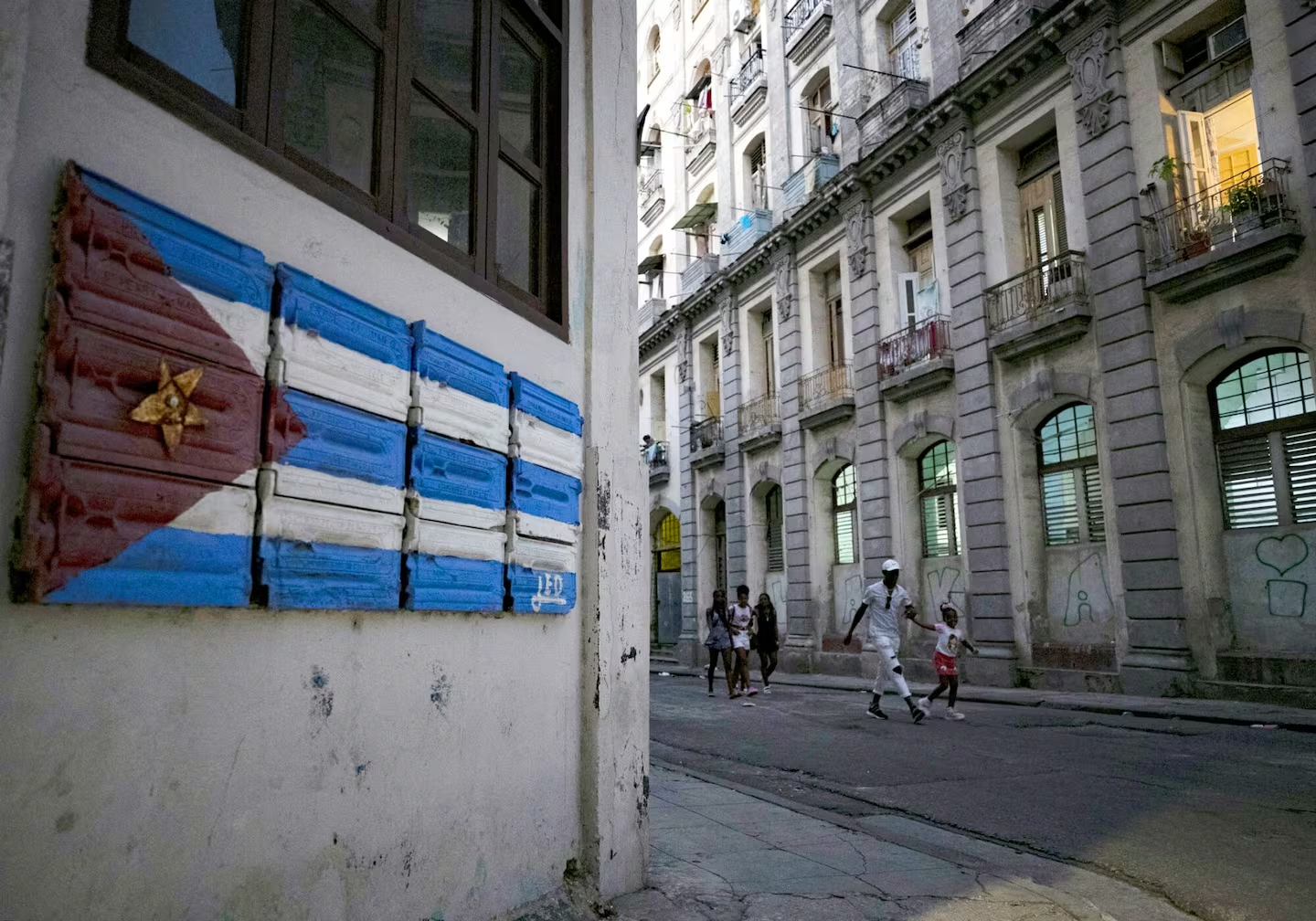
Cuba continues to struggle with serious economic problems, along with shortages of food and frequent power outages across the country. CTV
Canada has updated its travel advice for Cuba, urging Canadians to take extra care as the country struggles with worsening shortages of electricity, fuel, and basic supplies. Officials say the situation remains unstable and could disrupt travel plans with little notice.
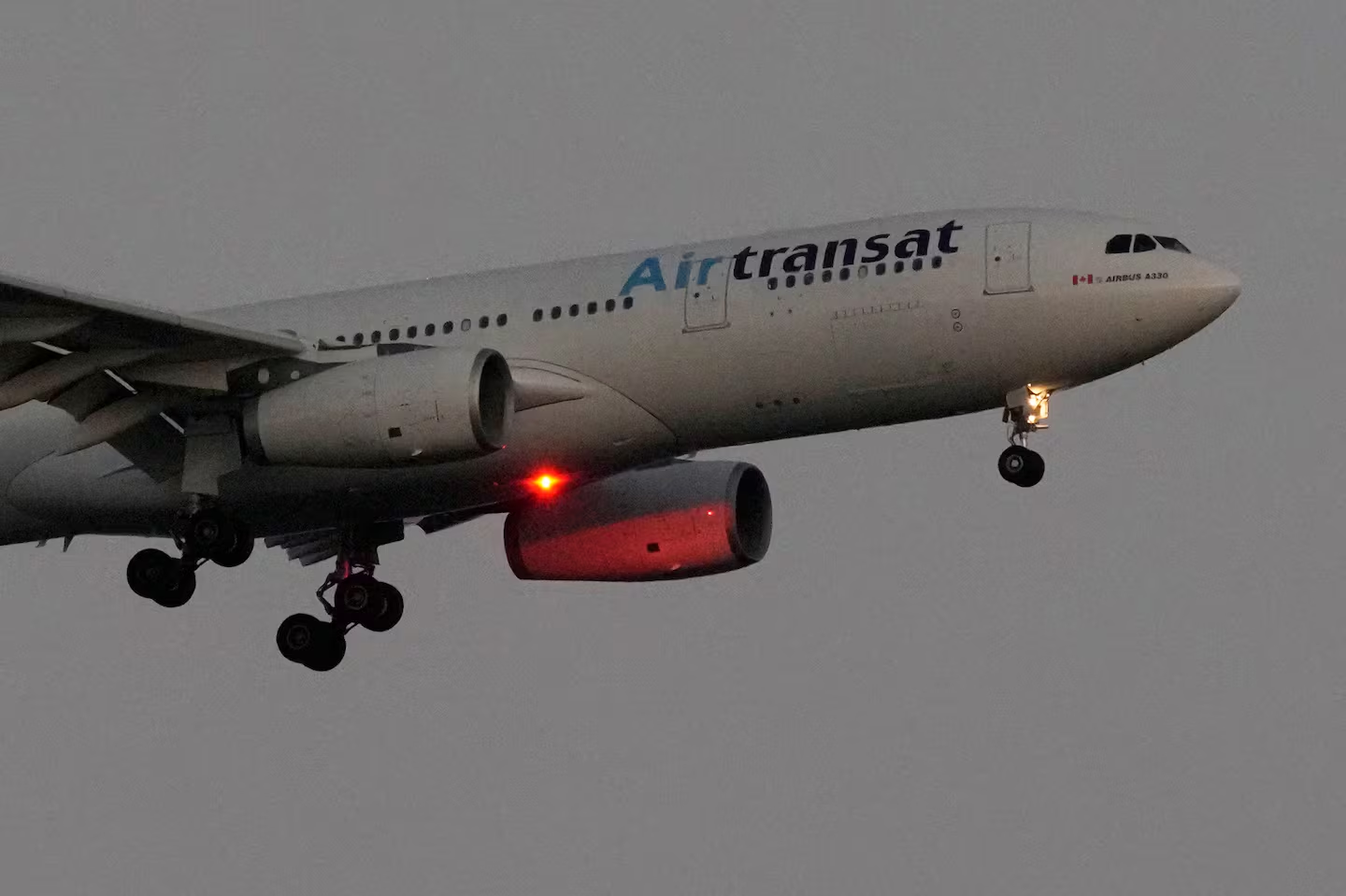
“The situation is unpredictable and could deteriorate, disrupting flight availability on short notice,” the advisory said.
Power Cuts and Fuel Shortages Cause Disruptions
Cuba continues to face long daily power cuts as authorities try to manage pressure on the electrical system. Canadian officials warn that unexpected blackouts can still happen across the country and may last more than a full day.
Fuel shortages have added to the challenges. Travelling around the island has become difficult, with buses and other public transport often cancelled. Some visitors have found themselves stuck with rental cars because fuel stations ran dry. Long lines for gas have also led to heated arguments in some areas.
Officials did not say whether Canada plans to issue a stronger warning against travel to Cuba or what conditions would trigger such a move.
Advice for Canadians Currently in Cuba
The government urges Canadians already in Cuba to stay alert, follow local instructions, and register with the Registration of Canadians Abroad service. This step allows officials to contact travellers quickly during emergencies.
Wayne W. Smith, director of the institute for hospitality and tourism research at Toronto Metropolitan University, said visitors should prepare for long power and communication outages.
“Take an actual paper copy of your passport, (because) if you run out of power, your phone may not work to show the picture of it,” he said. “So, make sure that you have not just your passport, but also a paper photocopy of your passport.”
Smith also advised travellers to carry extra cash and essential items.
“If ATMs are working, get yourself out some extra cash, just in case,” he said. “Try to make it small bills if you can … you’ll be able to spend a lot more.”
Guidance for Upcoming Trips
Canadians with trips planned to Cuba should stay flexible and expect sudden changes. Officials recommend checking travel insurance carefully, including coverage for cancellations and interruptions.
Smith stressed the importance of packing wisely, especially medications.
“Bring along any extra medication and any over-the-counter (medication) you may not be able to get,” he said. “For example, if you need headache pills, they may not be available in the same way or very difficult to find or can get very expensive during these times.”
He also suggested packing extra clothes in case flights face delays.
“You also wanna make sure that you’re bringing a couple of extra days of clothes, just in case you get stuck in an airport or you have to fly somewhere else to get back home,” Smith said.
Crime and Safety Concerns
The advisory notes that petty crime remains common, especially in busy tourist areas, markets, beaches, and public transport. Theft from hotel rooms and rental cars also occurs.
“It’s a matter of just having some common sense, making sure that if you’re travelling, you’re travelling out in groups,” Smith said. “Try not to get overly intoxicated … and put yourself into bad situations.”
He shared a practical tip for carrying essentials safely.
“One of my big tricks I actually tell people to do is take a copy of your ID, the photocopy; take some cash, and put it in your shoe underneath the tongue, so that if anything ever happens, at least you have a copy of your ID and you have a few dollars in cash,” he said.
Staying Connected and Informed
Officials advise travellers to confirm medical and evacuation insurance and ensure someone back home knows their exact plans.
“Make sure you let people know exactly where you’re going,” Smith said. “Give them a phone number, give them a contact number in case something goes amiss.”
Canadians should also know how to reach consular help if serious trouble arises.