Dubai International Airport. Travel Pulse Canada
A fast-growing conflict in the Middle East has caused major travel disruptions, shutting down airspace across several countries and forcing airlines to cancel or reroute thousands of flights.
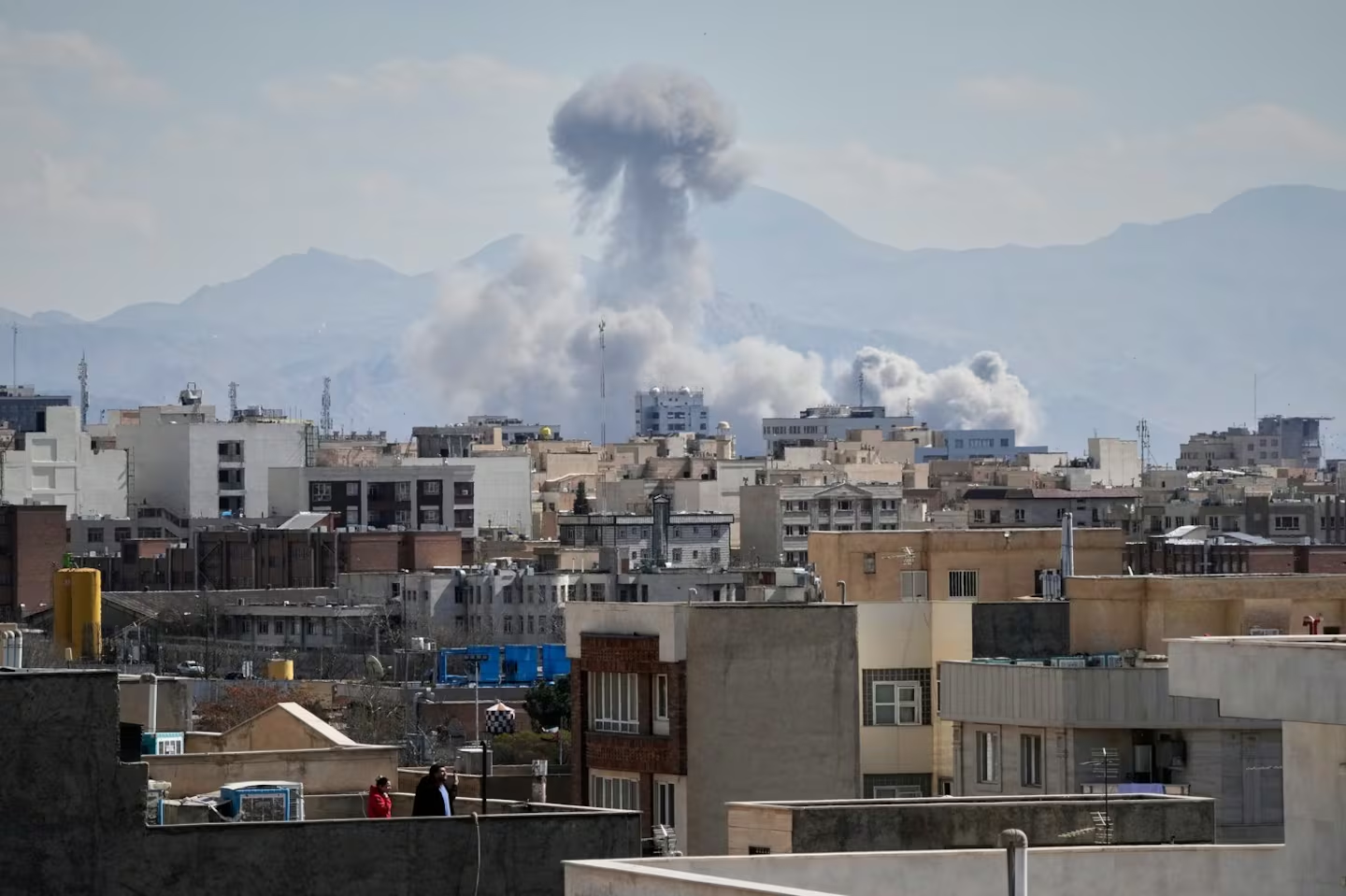
Military strikes carried out by the United States and Israel on Iran on February 28 sparked retaliation from Iran soon after. In response, several countries in the region closed or restricted their airspace. The closures have interrupted one of the world’s busiest flight corridors connecting Europe, Asia and Africa.
Thousands of Flights Affected
Airlines across the Middle East began suspending operations almost immediately. More than 1,800 flights operated by major regional carriers have been cancelled. Globally, over 19,000 delays have been recorded as airlines change routes and adjust schedules.
Major Gulf carriers have paused service. Etihad Airways has stopped flights to and from Abu Dhabi. Emirates has suspended operations to and from Dubai. Qatar Airways has halted flights following the closure of Qatari airspace.
Toronto Pearson International Airport has urged passengers to check with their airlines before heading to the airport, as flight schedules continue to change.
Airports in Dubai Close
In the United Arab Emirates, debris from intercepted aerial threats caused damage in several parts of Dubai. Witnesses reported explosions across the Gulf region, including in Iran, Doha, Abu Dhabi and Dubai.
A missile reportedly struck near a luxury hotel on Palm Jumeirah, injuring bystanders. Falling debris caused fires near the Burj Al Arab and damaged areas close to Dubai International Airport.
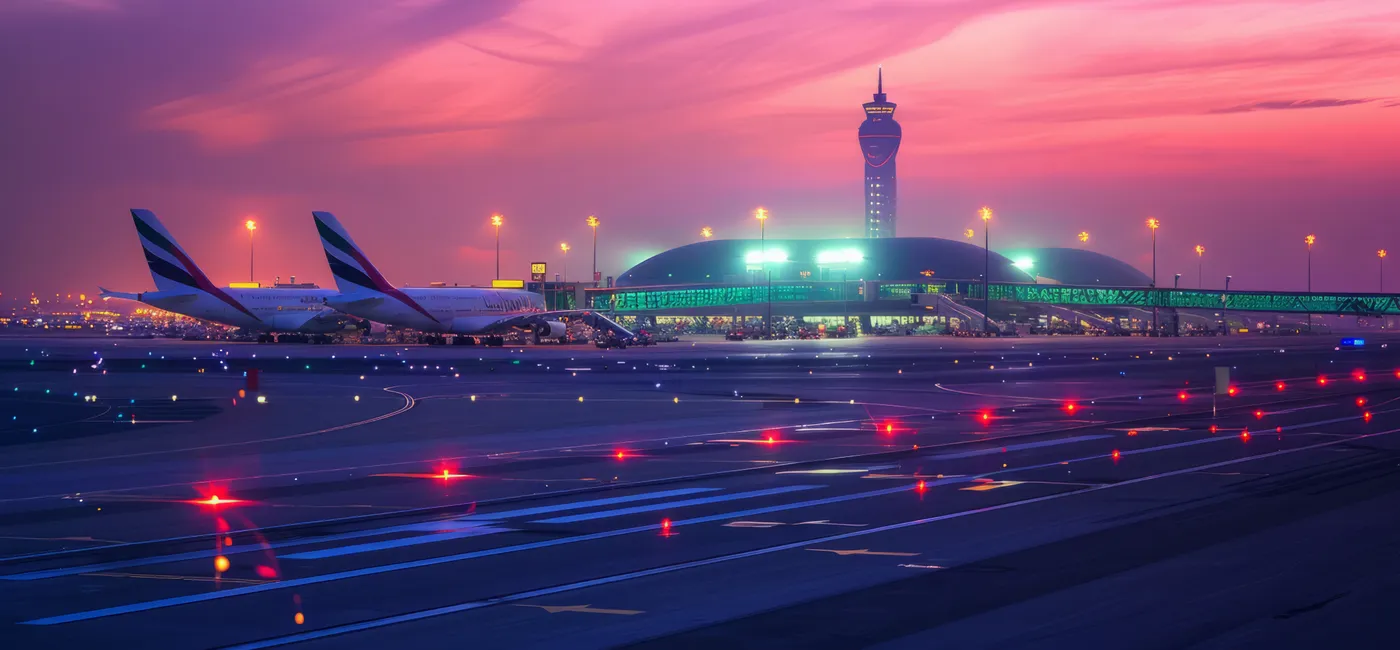
Authorities have suspended all operations at Dubai International Airport (DXB) and Dubai World Central – Al Maktoum International (DWC) until further notice. Officials have advised travellers not to go to the airport and to contact their airlines directly.
Bahrain, Iran, Iraq, Israel, Jordan, Kuwait, Qatar and the United Arab Emirates have all announced full or partial airspace closures.
Air Canada Suspends Key Routes
Air Canada has confirmed it has paused flights to and from Dubai and Tel Aviv. The airline has cancelled flights from Canada to Israel until March 8. Flights to Dubai have been cancelled until March 3, though officials say those dates may change depending on how the situation develops.
The airline has updated its ticket policy to allow customers to change bookings without penalty, depending on availability. Travellers currently in the region have been advised not to travel to airports and to monitor updates closely.
Passengers who booked through Air Canada Vacations have been asked to contact the company directly for assistance.
Advisory for Canadians Abroad
Global Affairs Canada has warned that security conditions in the Middle East may worsen without warning. Officials are advising Canadians in the region to follow local news closely and prepare to shelter in place if instructed.
Ottawa has advised Canadians to avoid all travel to Israel, Lebanon, Kuwait, the United Arab Emirates, Bahrain, Qatar and Iraq. Officials also recommend avoiding non-essential travel to Jordan, Saudi Arabia and Oman.
Prime Minister Mark Carney, speaking during a trade mission abroad, said Canada supports U.S. efforts to prevent Iran from acquiring nuclear weapons but indicated Canada does not expect to become directly involved in military operations. He also urged Canadians in Iran to shelter in place.
Cruise Ships Remain Docked
The crisis has also affected cruise travel in the Arabian Gulf. MSC Cruises has cancelled a seven-day sailing and kept one of its ships docked in Dubai. Shore excursions have been cancelled, and guests will receive refunds to their onboard accounts.
Celestyal Cruises has kept two ships in port in Doha and Dubai while reviewing the situation. Earlier in the season, other cruise lines had already pulled out of Middle East sailings.
Ongoing Impact for Travellers
For Canadian travellers, the immediate concerns include flight cancellations, longer travel times and unexpected rerouting. Travel experts say flexible booking options and travel insurance remain important during times of global uncertainty.
Airlines continue to monitor developments closely. Further disruptions are likely in the coming days as the situation evolves.