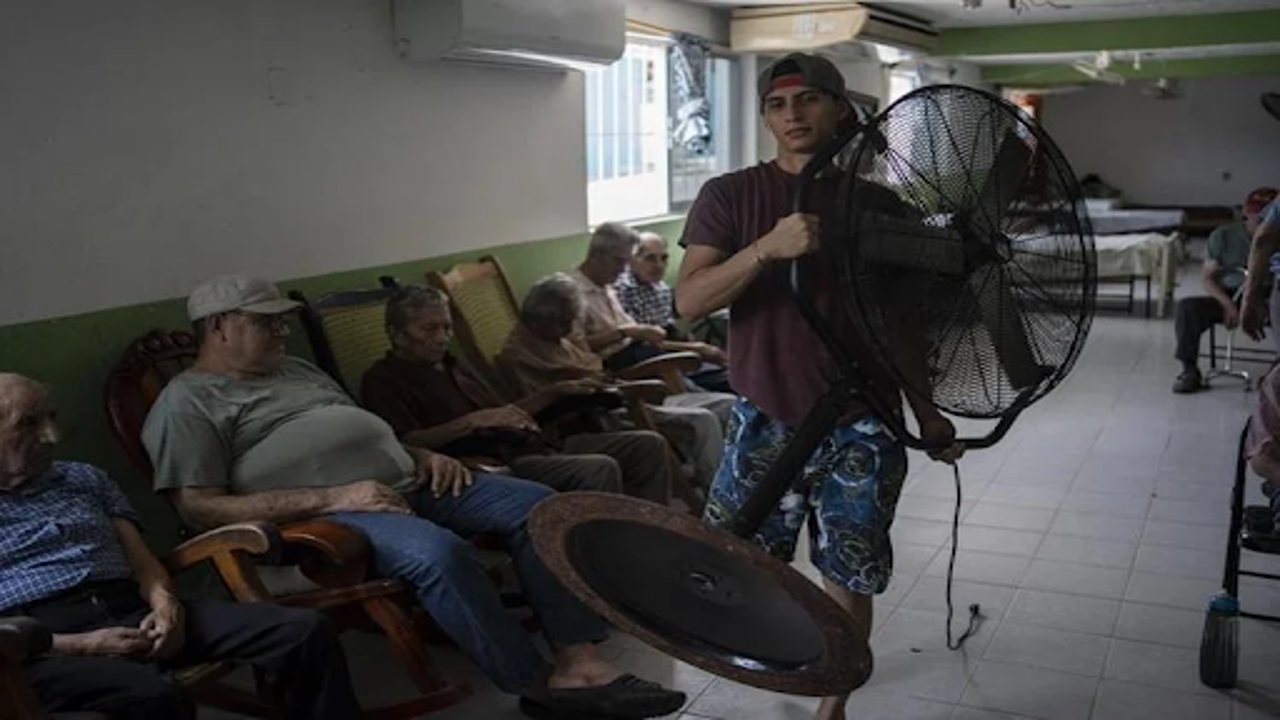
Climate change made nighttime temperatures 2.9 degrees (1.6 degrees Celsius) warmer and unusual evening heat 200 more times more likely. ((AP Photo/Felix Marquez)
A recent rapid assessment by climate scientists has pointed to human-driven climate change as a significant amplifier of the blistering heatwave currently scorching the Southwestern United States, Mexico, and Central America.
According to a study conducted by World Weather Attribution, the extreme temperatures experienced during this heatwave were made 2.5 degrees Fahrenheit (1.4 degrees Celsius) hotter and 35 times more likely due to the effects of global warming from fossil fuel combustion.
In Veracruz, Mexico, 82-year-old Magarita Salazar Pérez described the conditions as unbearable, lamenting the lack of air conditioning in her home amidst temperatures that soared to a record-breaking 125 degrees Fahrenheit (51.9 degrees Celsius) in the Sonoran Desert, marking the hottest day in Mexican history.
The nighttime temperatures were equally alarming, with climate scientists noting an increase of 2.9 degrees Fahrenheit (1.6 degrees Celsius), making it 200 times more likely to experience such extreme evening heat.
"This heatwave is unprecedented. There's been no relief at night," Salazar Pérez remarked, underscoring the critical role of cooler nighttime temperatures in mitigating the health risks associated with prolonged heat exposure.
Tragically, at least 125 deaths have been attributed to the heatwave so far, underscoring its deadly impact, particularly among vulnerable populations. Karina Izquierdo, an urban advisor for the Red Cross and Red Crescent Climate Centre in Mexico City, emphasized how the intensity of this heatwave underscores the unequal burden it places on different socioeconomic groups across the Americas.
Friederike Otto from Imperial College London, who leads the attribution study team, highlighted the changing nature of such extreme weather events, noting that what was once considered rare is now becoming increasingly common due to climate change. The study revealed that compared to the year 2000, this heatwave is now four times more likely to occur, with temperatures significantly higher than two decades ago.
The analysis covered a vast swath of North America, including southern regions of the United States, Mexico, and Central American countries like Guatemala and Honduras. It examined both daytime and nighttime records over a critical five-day period in early June, revealing numerous temperature records shattered across the continent.
The immediate meteorological cause of the heatwave was identified as a persistent high-pressure system over central Mexico, which prevented the usual cooling storms and cloud cover, exacerbating the heatwave's intensity as it moved into the U.S. Southwest. This system has now shifted eastward, continuing to bring unusually high temperatures across the United States.
While the impacts of this heatwave have been devastating, bringing drought, water shortages, and health crises to many regions, it has also highlighted the disparities in society's ability to cope with extreme heat. Access to cooling technologies like air conditioning has become a crucial factor in determining who can effectively mitigate the heat's effects, underscoring existing inequalities across the Americas.
As the climate crisis intensifies, experts warn that such extreme weather events are likely to become more frequent and severe unless significant efforts are made to reduce greenhouse gas emissions globally. The findings of this study serve as a stark reminder of the urgent need for collective action to address climate change and its far-reaching consequences on communities worldwide.