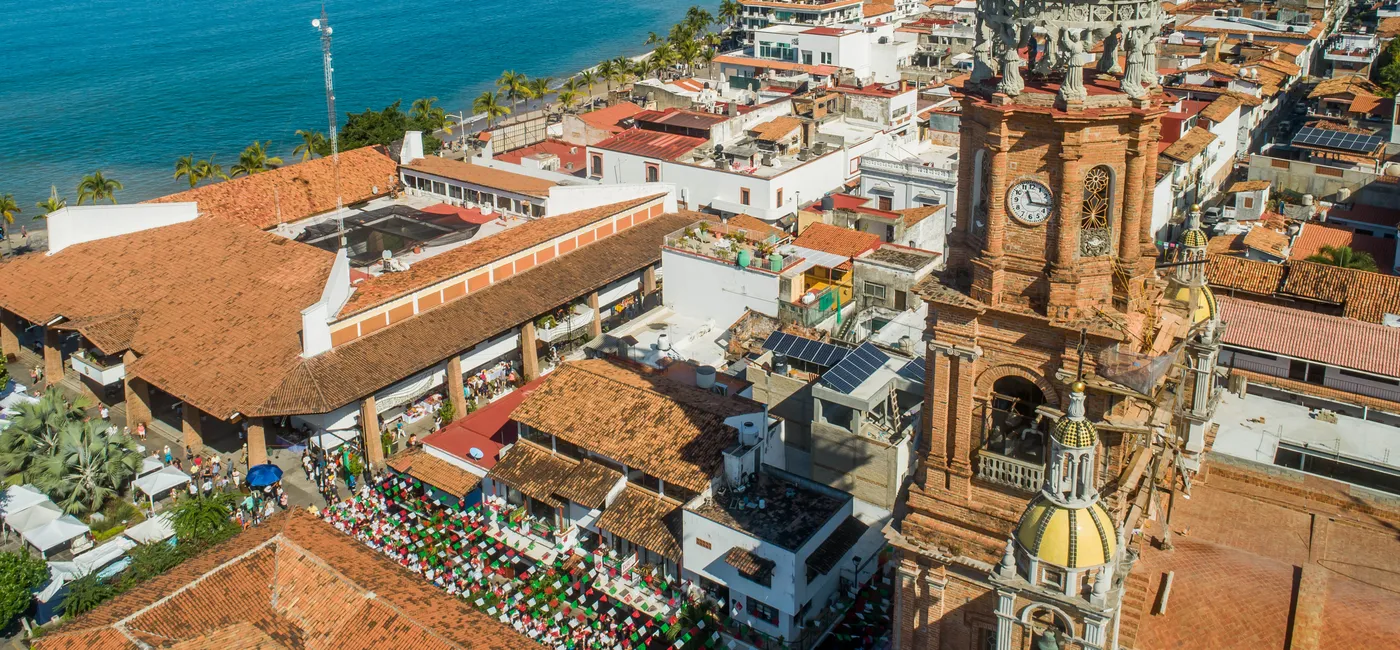
Visitors relax at Mambo Beach near Willemstad in Curaçao in March 2020. The island usually welcomes tens of thousands of Canadians each year, though recent events have left some travellers feeling uncertain about visiting the Caribbean. Getty Images
Aruba, Bonaire and Curaçao, often called the ABC islands, have long attracted Canadians looking for sunshine, calm seas and culture. These islands sit just off the coast of Venezuela in the southern Caribbean. Now, recent events in the region have caused unease among some travellers planning trips there.
Days after the United States carried out what it called a “large-scale strike” in Venezuela and detained President Nicolás Maduro and his wife, online travel groups began to fill with worried messages. Some Canadians said they now question whether to continue with vacations booked for the coming months.
“We're debating our mid-February trip ... Frankly, if a war was happening 50 nautical miles away from where I'm supposed to be having a relaxing vacation, I wait until things have settled,” one traveller wrote online. Another posted, “I'm scheduled to go for 2 weeks in June ... and evaluating now whether to cancel.”
Rising tensions in the region
The U.S. action followed months of pressure on Venezuela, including ship interceptions and operations against drug trafficking routes. Shortly after the strike, Global Affairs Canada advised Canadians to avoid all travel to Venezuela.
“The current situation in Venezuela is tense and could escalate quickly,” the advisory said. It warned of crime, political instability, shortages of basic supplies and the risk of detention. The advisory did not extend to nearby Caribbean islands.
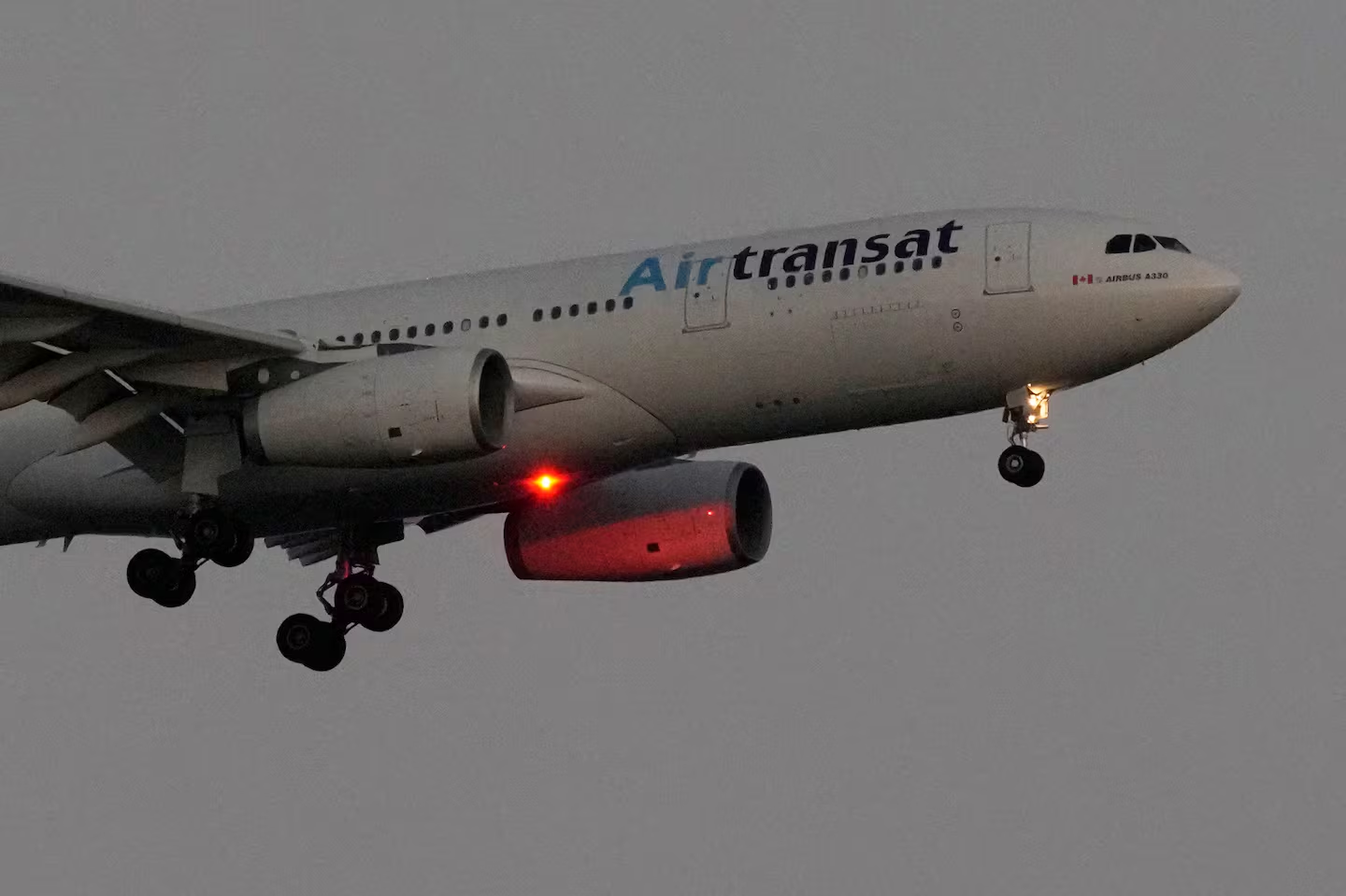
Still, airlines took notice. Air Canada allowed travellers to change flights to several Caribbean destinations, including Aruba and Curaçao, without penalty. Other Canadian carriers said they continue to watch developments closely.
Expert voices raise caution
Marie-Christine Doran, a political studies professor at the University of Ottawa, said uncertainty now defines the situation. “I wouldn't fear that there would be a direct attack on the islands, but some people may be caught in some kind of crossfire. Anything is possible now,” she said.
She also pointed to increased military activity in nearby waters and warned that broader regional tensions could affect travel across Latin America. “It's not a very good time to travel to Latin America,” Doran added.
Canadians rethink travel plans
Some Canadian travel agents report cancellations. Leanne McKercher, who runs a travel agency in Kingston, Ont., said a few clients dropped trips to Curaçao and nearby islands. “They're avoiding those islands in and around Venezuela,” she said.
Curaçao drew more than 32,000 Canadian visitors in 2023, while Aruba welcomed over 63,000, making Canada one of their top tourism markets. Despite this, some travellers remain cautious.
Others continue their trips. Bill Oliver of Fonthill, Ont., said he went ahead with his Aruba vacation, despite brief flight disruptions. “There's no mention of the Venezuelan incident here on the island,” he said, adding that things soon felt normal again.
Mixed feelings among travellers
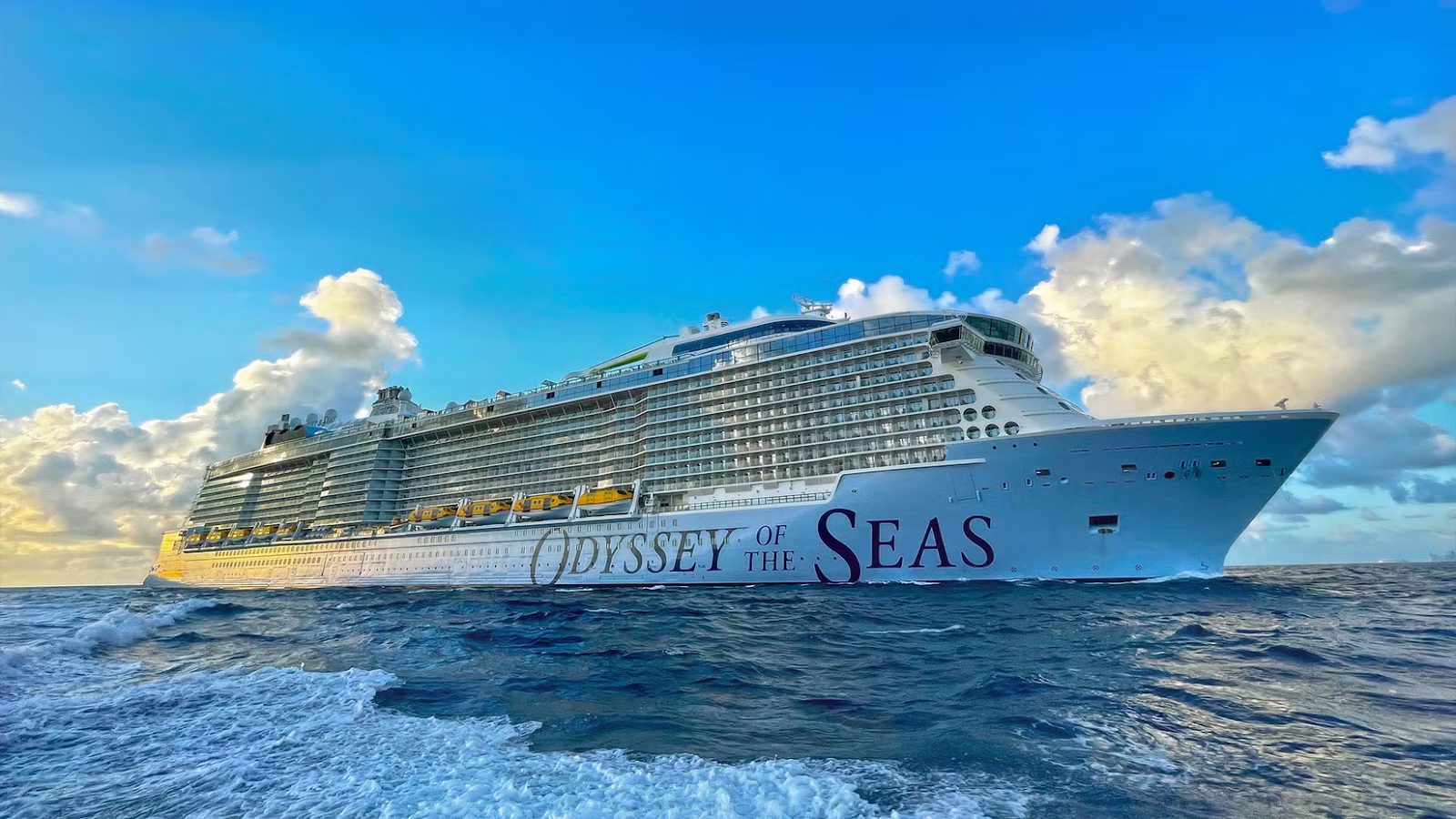
Cruise lines continue southern Caribbean routes, including stops at the ABC islands. Online, opinions remain divided. Some travellers report seeing military helicopters, while others say their vacations stayed peaceful.
“Other than thinking all the fireworks were bombs, we felt great!” one visitor joked online.