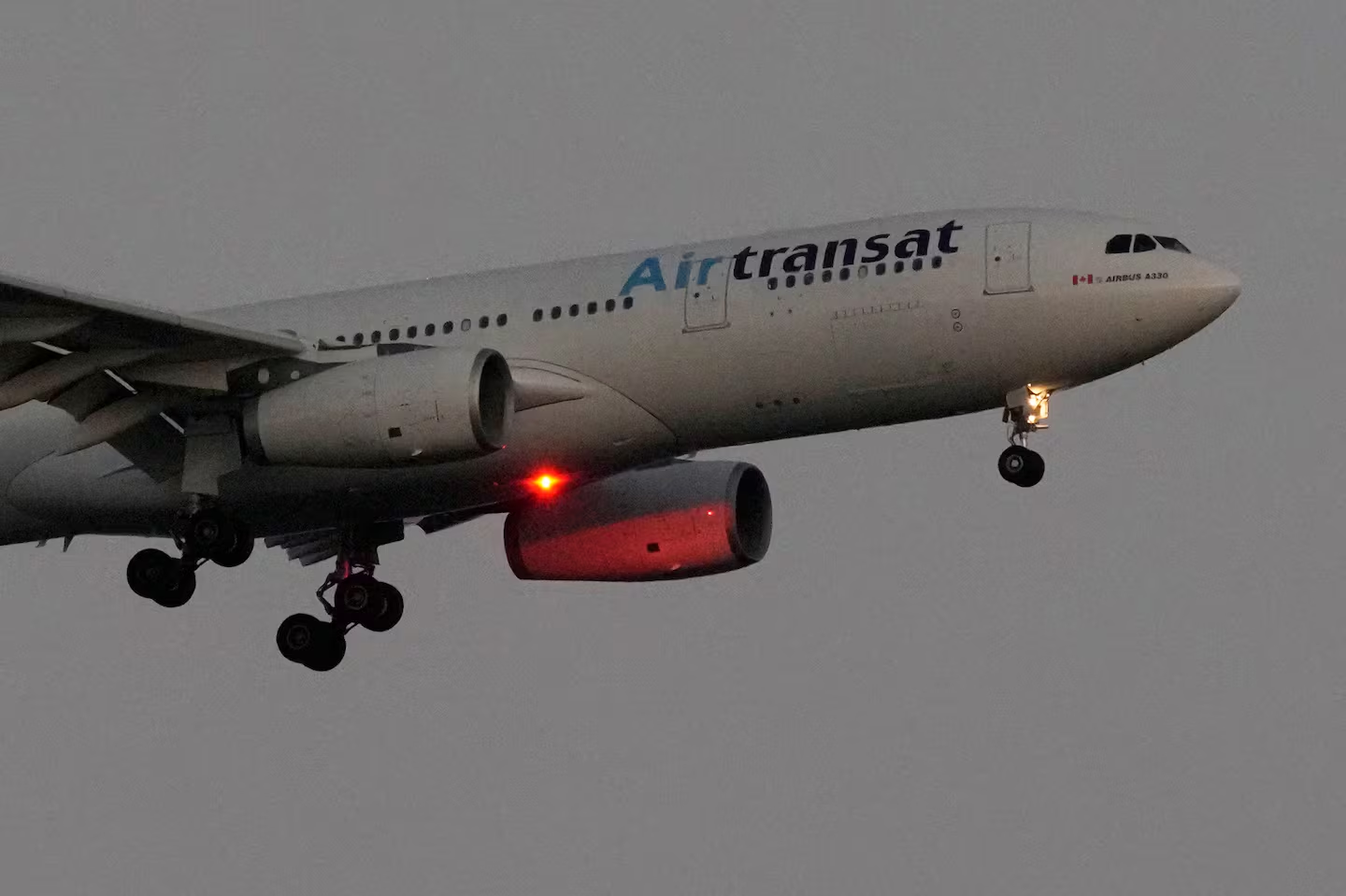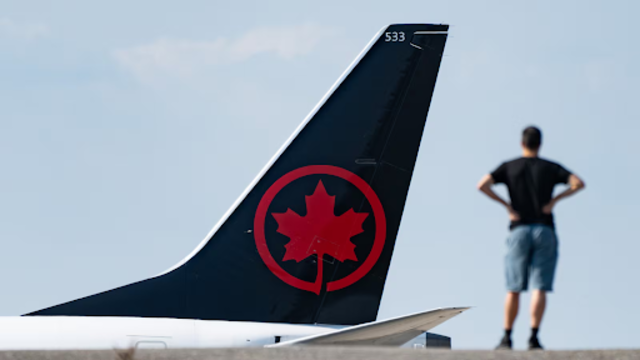
A viewer looks on as an Air Canada flight touches down at Montreal’s Trudeau Airport on September 13, 2024. The Canadian Press
Thousands of Air Canada flight attendants may soon go on strike. This could affect travel at Toronto, Montreal, Vancouver, and Calgary airports. The union representing the crew, CUPE, says talks with Air Canada have stalled. If they don’t reach a deal, delays and cancellations could follow—just as travel season hits its peak.
Why the Workers Are Upset
CUPE says the current working conditions are unfair. Many flight attendants earn under $2,000 a month, even while working full time. They also spend hours doing important safety checks before flights—without getting paid for that time. The union wants higher pay, better rest breaks, and changes to daily work limits.
Vote in Progress, Strike Not Guaranteed Yet
The union vote began July 28 and ends August 5. A strike can’t start until August 26, after a cooling-off period ends. Even then, CUPE must give 72 hours’ notice before walking off the job. The union says a strike would only happen if no deal can be reached.
What Air Canada Says
Air Canada says this is just part of the process. The airline is still hopeful a fair deal will happen. They’ve told passengers that flights are running normally for now. But customers should stay informed in case that changes.
What This Could Mean for Travelers
If the strike goes ahead, many flights could get canceled or delayed. Air Canada runs over 1,000 flights every day across 180 cities. Travel within Canada and overseas could both be hit. During a similar situation in 2024, Air Canada almost canceled 80% of its flights. Over 110,000 passengers per day would have been affected.
Canada’s Tourism Sector at Risk
Canada’s tourism sector is growing again after COVID-19. The timing of this strike could slow that recovery. Tourism brings billions into the economy. In 2025, it's expected to contribute nearly CAD 183 billion. A strike during late August and early September could hurt travel businesses, hotels, and local attractions across the country.
Air Canada’s Reach Is Huge
The airline connects all parts of Canada and many global destinations. It’s the biggest player at the country’s busiest airports. A strike would disrupt key routes like Toronto–London, Toronto–Vancouver, and Montreal–Paris. Even short-term problems could shake traveler confidence.
Economic Concerns Go Beyond Flights
Past strikes have cost Canada a lot. In 2024, experts said a two-week pilot strike could cost the economy C$1.4 billion. While this current threat involves cabin crew, it could still have a big impact. Small tourism businesses that depend on steady visitor numbers may struggle if flights stop.
What Travelers Can Do
Passengers planning to fly in late August or early September should:
- Book flexible tickets
- Watch for updates from Air Canada
- Consider travel insurance
- Prepare for possible delays
Event planners and hotels are also being told to make backup plans.
Looking Ahead
The strike vote ends August 5. If CUPE approves it and no deal is made, a strike could begin after August 26. Talks are ongoing, but time is running out. This labour battle could shape the end of summer travel in Canada—for better or worse.