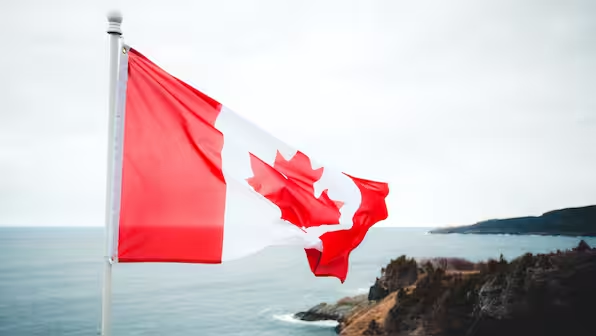
Canada went through extreme heat waves in 2025, with temperatures rising well above average in Alberta, Quebec, British Columbia, and the Northwest Territories. Travel Tour & World
Canada faced one of its hottest summers in history during 2025. Temperatures climbed well above normal across several provinces. Scientists linked the heat directly to human-caused climate change. These extreme conditions disrupted daily life and reshaped travel across the country.
Tourists who once visited national parks and trails had to rethink their plans. Hiking, camping, and sightseeing became unsafe in many areas. Families who travelled for summer holidays often cancelled outdoor activities. The rise in dangerous heat waves made tourism unpredictable.
Regions Struggling With Record Heat
Several regions endured record-breaking temperatures. In Alberta, the late August heat wave pushed daily highs to 28.8 °C, nearly 10 degrees above normal. Fort Smith in the Northwest Territories saw temperatures climb 11.6 degrees above average. Southern British Columbia, Southern Quebec, and Northern Quebec also faced extreme heat.
The conditions made outdoor travel difficult. In Northern British Columbia, tourists found hiking and wildlife viewing unsafe due to the high risk of wildfires. In Southern Quebec, festivals and cultural sites reported fewer visitors as temperatures became unbearable.
Climate Change Increases the Risk
Climate experts confirmed the role of climate change in these events. Studies showed that nine out of ten severe heat waves in July and August became far more likely because of human activity. In Atlantic Canada, August temperatures rose nearly 10 degrees above normal. Scientists said such extremes were at least 10 times more likely due to rising greenhouse gases.
Tourism Feels the Impact
Tourism businesses across Canada struggled. Resorts, hotels, and restaurants that rely on summer visitors reported drops in bookings. Ski resorts also faced challenges, with shorter winter seasons caused by prolonged heat. Many destinations had to cancel or reschedule events.
Wildfires worsened the problem. Canada’s second-worst wildfire season in 2025 forced evacuations across British Columbia, Quebec, and Alberta. National parks closed during peak tourist times. Local economies lost millions in revenue.
How Tourists Can Stay Prepared
Officials urge travellers to plan carefully before visiting Canada. The WeatherCAN app provides real-time alerts on heat waves and wildfires. Tourists should check conditions, prepare emergency kits, and know evacuation routes. Experts recommend indoor attractions, coastal trips, or city breaks during periods of extreme heat.
Travelers should also carry water, sunscreen, and protective gear. Authorities stress the importance of staying flexible with plans to ensure safety.
Looking Forward
Canada’s tourism industry must adapt quickly to a changing climate. Outdoor destinations may need to shift peak seasons. Indoor and urban attractions may grow in demand. Local businesses will also need strategies to protect revenue during extreme weather.
For Canadians, the extreme heat serves as a warning. Climate change is altering not only daily life but also how people explore and travel. Tourists and the tourism industry alike must prepare for a future where heat waves and wildfires are no longer rare events but frequent challenges.